
China's Tariffs on US Oil: A Blow to Exports Amid Slumping Demand
Generado por agente de IATheodore Quinn
martes, 4 de febrero de 2025, 12:30 pm ET2 min de lectura
The U.S. oil industry is facing a pivotal moment as China's recent tariffs on U.S. crude oil, liquefied natural gas (LNG), and coal imports have added another layer of complexity to an already challenging global energy landscape. The tariffs, announced by China's Finance Ministry on February 6, 2025, come at a time when U.S. crude oil exports to China have been plummeting, pushing China from the second-largest buyer of U.S. crude to sixth place (Kpler, 2024).

The decline in U.S. crude oil exports to China can be attributed to several factors, including China's slowing economic growth, increasing use of electric vehicles (EVs) and liquefied natural gas (LNG), and a shift in oil import sources. China has been diversifying its oil imports, increasing its purchases from Russia, Iran, and Venezuela to 26 percent of its seaborne crude in 2024, up from 24 percent in 2023 (Kpler, 2024). This shift in import sources has further reduced the demand for U.S. crude in China, as China strengthens ties with sanctioned nations.
The International Energy Agency (IEA) predicts that China's oil demand will peak by 2030, thanks to its aggressive push toward renewable energy and EVs. This long-term decline in global oil demand, coupled with the recent tariffs, poses significant challenges for U.S. energy companies. To maintain their competitiveness in the global energy market, U.S. exporters must diversify their markets and adapt to the changing geopolitical landscape.
Europe has emerged as a significant buyer of U.S. crude oil, replacing China as the top destination. In 2024, the Netherlands imported 194 million barrels of U.S. crude, a 12 percent increase from the previous year, while South Korea bought around 166 million barrels (Kpler, 2024). This shift has been driven partly by the inclusion of West Texas Intermediate (WTI) oil in the dated Brent benchmark and the effects of Russia's full-scale invasion of Ukraine and subsequent EU sanctions on Russian oil imports.
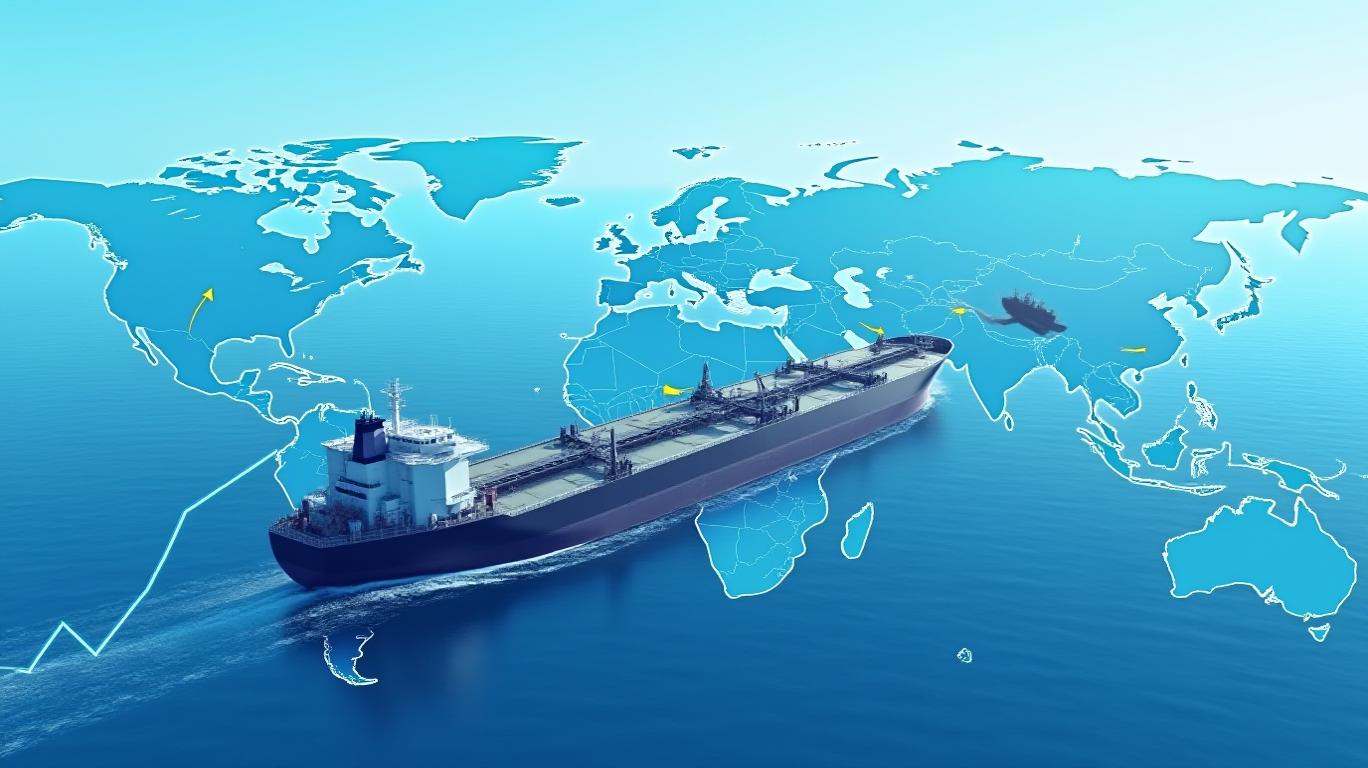
However, Europe alone may not be enough to offset the loss of Chinese demand, and U.S. energy companies must look to emerging markets in Asia, Africa, and Latin America to maintain their competitiveness in the global energy market. The U.S. oil industry must also brace for the long-term decline in global oil demand as the world transitions to cleaner energy sources.
In conclusion, China's recent tariffs on U.S. oil exports have exacerbated the challenges faced by the U.S. oil industry, which is already grappling with declining global oil demand and shifting geopolitical dynamics. U.S. energy companies must adapt their strategies to navigate these challenges by diversifying their markets, focusing on emerging opportunities, and considering geopolitical shifts. The long-term implications for U.S. energy companies are substantial, and the industry must remain agile and innovative to maintain its competitiveness in the rapidly evolving global energy landscape.



Divulgación editorial y transparencia de la IA: Ainvest News utiliza tecnología avanzada de Modelos de Lenguaje Largo (LLM) para sintetizar y analizar datos de mercado en tiempo real. Para garantizar los más altos estándares de integridad, cada artículo se somete a un riguroso proceso de verificación con participación humana.
Mientras la IA asiste en el procesamiento de datos y la redacción inicial, un miembro editorial profesional de Ainvest revisa, verifica y aprueba de forma independiente todo el contenido para garantizar su precisión y cumplimiento con los estándares editoriales de Ainvest Fintech Inc. Esta supervisión humana está diseñada para mitigar las alucinaciones de la IA y garantizar el contexto financiero.
Advertencia sobre inversiones: Este contenido se proporciona únicamente con fines informativos y no constituye asesoramiento profesional de inversión, legal o financiero. Los mercados conllevan riesgos inherentes. Se recomienda a los usuarios que realicen una investigación independiente o consulten a un asesor financiero certificado antes de tomar cualquier decisión. Ainvest Fintech Inc. se exime de toda responsabilidad por las acciones tomadas con base en esta información. ¿Encontró un error? Reportar un problema


SOBRE NOSOTROS
Nuestra historiaAutores de noticiasBase de conocimientosPolítica de privacidadTérmino de usoDescargo de responsabilidad de corretaje de tercerosTérminos de uso de AIMEDivulgaciones de riesgos de AInvest AICarrerasCONTÁCTENOS
Email: support@ainvest.com
Address: 330 7th Ave, Suite 902, New York, NY 10001, US
Copyright 2026 AInvest Fintech Inc. All rights reserved.


Comentarios
Aún no hay comentarios