
China's Tariff Retaliation: Restrained So Far, But for How Long?
Generado por agente de IAWesley Park
martes, 4 de febrero de 2025, 1:53 am ET2 min de lectura
ALLY--
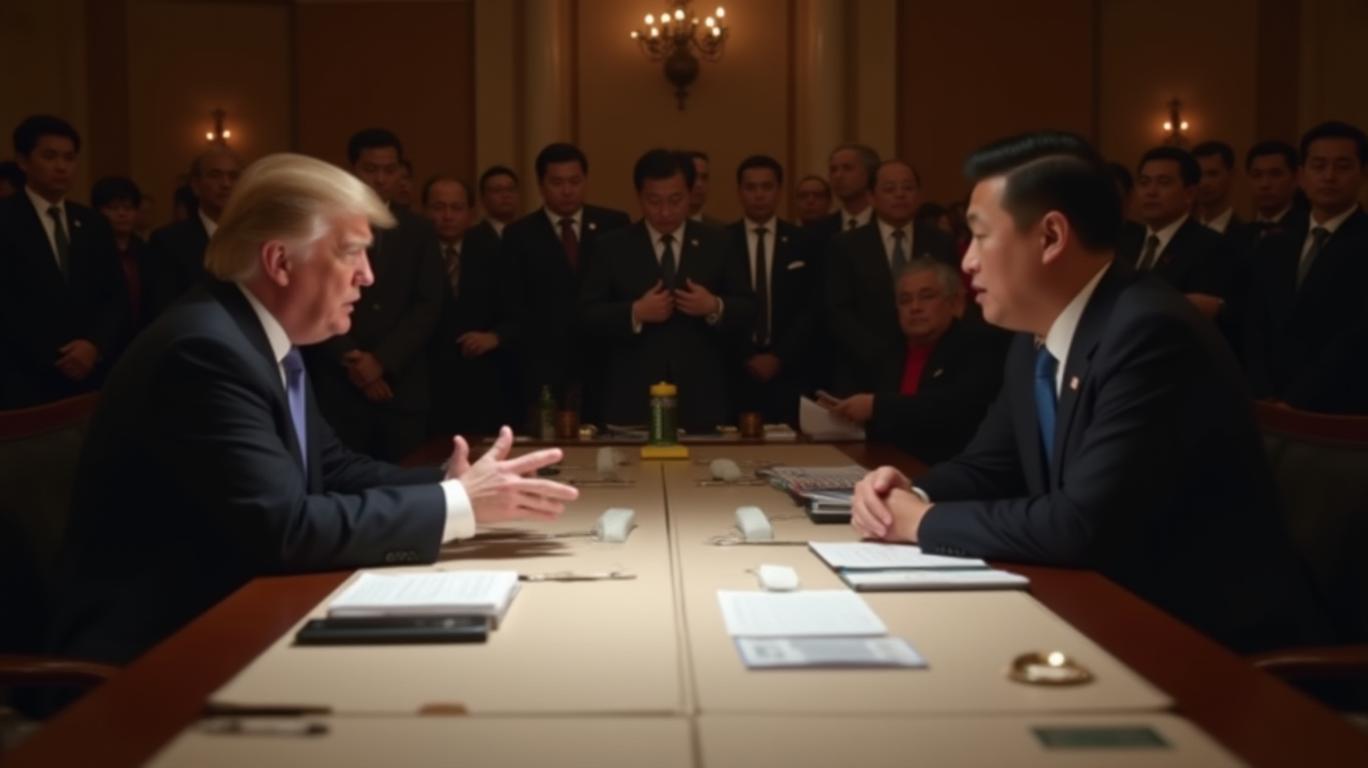
As the US-China trade war continues to simmer, one question on the minds of investors and policymakers alike is: why has China been relatively restrained in its tariff retaliation against the US? Despite the US imposing tariffs on over $380 billion worth of Chinese goods, China's response has been measured, with tariffs on just $110 billion of US imports. This article explores the factors contributing to China's restraint and considers the potential long-term implications for both economies.
Factors Contributing to China's Restraint
1. Economic interdependence: China and the US have extensive economic ties, with significant trade volumes and investments between the two countries. This interdependence makes both nations vulnerable to the negative consequences of a full-blown trade war, which could lead to economic instability and job losses.
2. Global economic impact: The US' tariff moves have sparked widespread concern among numerous countries, extending well beyond those directly affected. A full-scale trade war between the US and China could have severe global economic repercussions, affecting countries like Germany, France, and Japan, which have also expressed concerns about the potential damage to their economies.
3. US' strategic importance: The US is an indispensable ally and one of the closest trading partners for many countries, including the UK and EU. A trade war with the US could strain these relationships and have political implications beyond economic ones.
4. China's domestic priorities: China has been focusing on stabilizing its own economy and addressing internal issues, such as reducing poverty and promoting sustainable development. Engaging in a full-blown trade war with the US could divert resources and attention away from these domestic priorities.
Potential Long-term Implications
While China's restraint in tariff retaliation has helped to mitigate the immediate economic fallout, the long-term implications of the US' tariff moves are more complex. Some potential long-term implications include:
1. Reshoring and nearshoring: The tariffs may lead to a long-term shift in manufacturing, with companies moving their production facilities back to the US (reshoring) or closer to the US (nearshoring). This could have positive effects on the US economy, such as job creation and increased domestic production.
2. Increased competition: The tariffs may also lead to increased competition among countries to attract manufacturing facilities. This could result in a race to the bottom on taxes and regulations, potentially benefiting countries that can offer more favorable business environments.
3. Technological advancements: The tariffs may also encourage companies to invest in automation and other technologies to reduce their dependence on foreign suppliers. This could lead to long-term gains in productivity and competitiveness.
4. Geopolitical tensions: The tariffs have also exacerbated geopolitical tensions between the US and China, which could have long-term implications for global security and stability.
Conclusion
In conclusion, China's restraint in tariff retaliation against the US has helped to mitigate the immediate economic fallout of the US' tariff moves. However, the long-term implications of these tariffs are more complex, with potential benefits and drawbacks for both economies. As the trade war continues to unfold, investors and policymakers should closely monitor the evolving dynamics between the US and China, as well as the potential impact on global supply chains and economic growth.
As the US-China trade war continues to simmer, one question on the minds of investors and policymakers alike is: why has China been relatively restrained in its tariff retaliation against the US? Despite the US imposing tariffs on over $380 billion worth of Chinese goods, China's response has been measured, with tariffs on just $110 billion of US imports. This article explores the factors contributing to China's restraint and considers the potential long-term implications for both economies.
Factors Contributing to China's Restraint
1. Economic interdependence: China and the US have extensive economic ties, with significant trade volumes and investments between the two countries. This interdependence makes both nations vulnerable to the negative consequences of a full-blown trade war, which could lead to economic instability and job losses.
2. Global economic impact: The US' tariff moves have sparked widespread concern among numerous countries, extending well beyond those directly affected. A full-scale trade war between the US and China could have severe global economic repercussions, affecting countries like Germany, France, and Japan, which have also expressed concerns about the potential damage to their economies.
3. US' strategic importance: The US is an indispensable ally and one of the closest trading partners for many countries, including the UK and EU. A trade war with the US could strain these relationships and have political implications beyond economic ones.
4. China's domestic priorities: China has been focusing on stabilizing its own economy and addressing internal issues, such as reducing poverty and promoting sustainable development. Engaging in a full-blown trade war with the US could divert resources and attention away from these domestic priorities.
Potential Long-term Implications
While China's restraint in tariff retaliation has helped to mitigate the immediate economic fallout, the long-term implications of the US' tariff moves are more complex. Some potential long-term implications include:
1. Reshoring and nearshoring: The tariffs may lead to a long-term shift in manufacturing, with companies moving their production facilities back to the US (reshoring) or closer to the US (nearshoring). This could have positive effects on the US economy, such as job creation and increased domestic production.
2. Increased competition: The tariffs may also lead to increased competition among countries to attract manufacturing facilities. This could result in a race to the bottom on taxes and regulations, potentially benefiting countries that can offer more favorable business environments.
3. Technological advancements: The tariffs may also encourage companies to invest in automation and other technologies to reduce their dependence on foreign suppliers. This could lead to long-term gains in productivity and competitiveness.
4. Geopolitical tensions: The tariffs have also exacerbated geopolitical tensions between the US and China, which could have long-term implications for global security and stability.
Conclusion
In conclusion, China's restraint in tariff retaliation against the US has helped to mitigate the immediate economic fallout of the US' tariff moves. However, the long-term implications of these tariffs are more complex, with potential benefits and drawbacks for both economies. As the trade war continues to unfold, investors and policymakers should closely monitor the evolving dynamics between the US and China, as well as the potential impact on global supply chains and economic growth.

Divulgación editorial y transparencia de la IA: Ainvest News utiliza tecnología avanzada de Modelos de Lenguaje Largo (LLM) para sintetizar y analizar datos de mercado en tiempo real. Para garantizar los más altos estándares de integridad, cada artículo se somete a un riguroso proceso de verificación con participación humana.
Mientras la IA asiste en el procesamiento de datos y la redacción inicial, un miembro editorial profesional de Ainvest revisa, verifica y aprueba de forma independiente todo el contenido para garantizar su precisión y cumplimiento con los estándares editoriales de Ainvest Fintech Inc. Esta supervisión humana está diseñada para mitigar las alucinaciones de la IA y garantizar el contexto financiero.
Advertencia sobre inversiones: Este contenido se proporciona únicamente con fines informativos y no constituye asesoramiento profesional de inversión, legal o financiero. Los mercados conllevan riesgos inherentes. Se recomienda a los usuarios que realicen una investigación independiente o consulten a un asesor financiero certificado antes de tomar cualquier decisión. Ainvest Fintech Inc. se exime de toda responsabilidad por las acciones tomadas con base en esta información. ¿Encontró un error? Reportar un problema




Comentarios
Aún no hay comentarios