
China's Strategy in Trade War: Threaten U.S. Tech Companies
Generado por agente de IAWesley Park
domingo, 9 de febrero de 2025, 10:53 pm ET1 min de lectura

In the ongoing trade war between the United States and China, Beijing has adopted a strategy of threatening U.S. tech companies to maintain its technological supremacy and economic growth. By imposing tariffs and other restrictions on U.S. tech companies, China aims to force them to share their technology with Chinese firms, reduce its dependence on foreign technology, and build indigenous innovation capabilities. This strategy has had significant consequences for U.S. tech companies and the global tech landscape.
One of the primary consequences of China's strategy is the decline in patenting and innovation among sanctioned Chinese firms. Research by Cao et al. (2024) found that sanctioned Chinese firms experienced a decline in both the quantity and quality of patents filed, compared to similar non-sanctioned firms. This decline was particularly pronounced for high-technology patents. Additionally, the sanctions led to a breakdown of critical partnerships between Chinese firms and U.S. inventors, further hindering Chinese innovation.
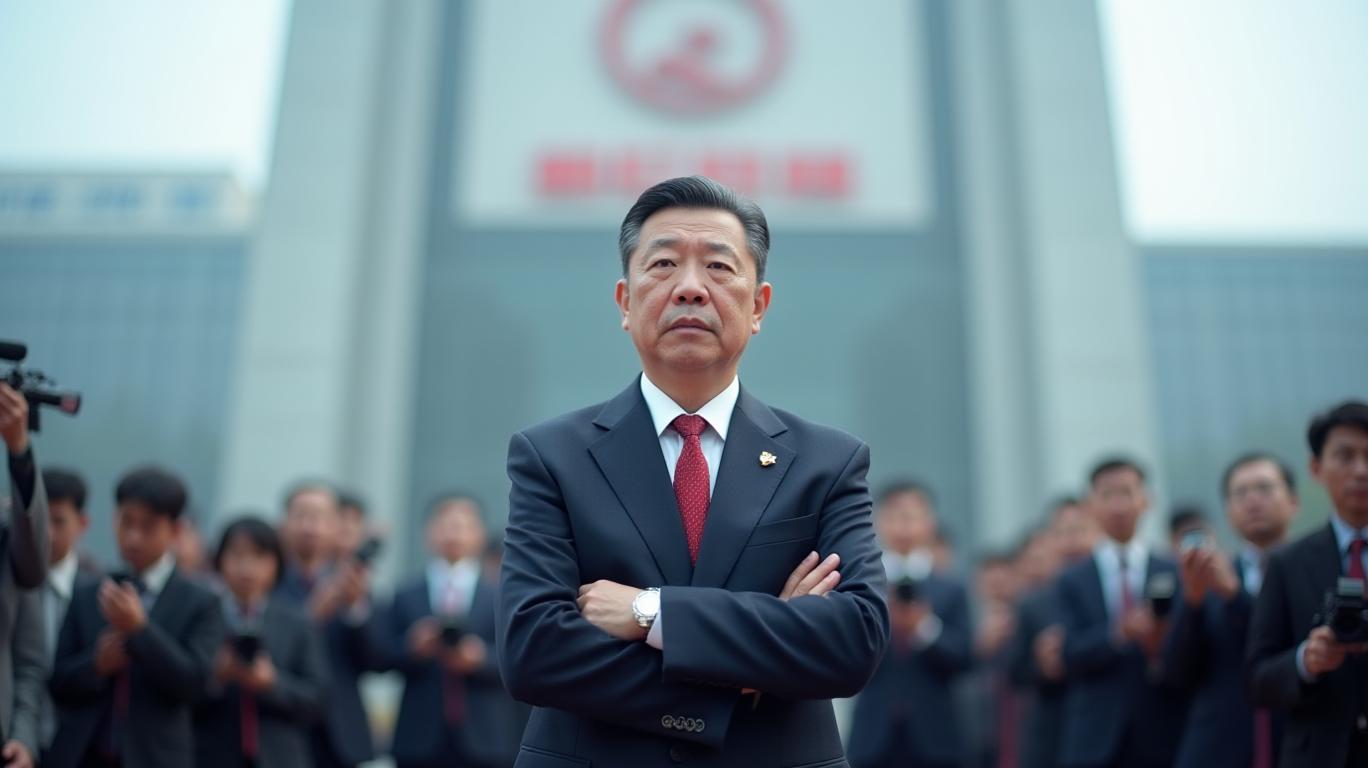
Another consequence of China's actions is the disruption of global supply chains. The growing division between the U.S. and China has the potential to spark a tech cold war that could disrupt global supply chains, stifle technological innovation, and strain international relations. This dynamic has already led to increased competition from other countries, such as Europe or South Korea, which may be more open to Chinese investment and collaboration.
To mitigate these risks, U.S. tech companies could consider diversifying their partnerships and collaborations, investing in domestic R&D, engaging with policymakers, and adapting to changing market dynamics. By taking these steps, U.S. tech companies can better position themselves to navigate the challenges posed by China's actions and maintain their competitive edge in the global tech landscape.
In conclusion, China's strategy of threatening U.S. tech companies in the trade war has had significant consequences for the global tech landscape and the competitive dynamics between the two countries. While these actions aim to maintain China's technological supremacy and economic growth, they have also led to a decline in Chinese innovation, disruption of global supply chains, and increased competition from other countries. To mitigate these risks, U.S. tech companies must adapt their strategies and engage with policymakers to maintain their competitive edge in the global tech market.



Divulgación editorial y transparencia de la IA: Ainvest News utiliza tecnología avanzada de Modelos de Lenguaje Largo (LLM) para sintetizar y analizar datos de mercado en tiempo real. Para garantizar los más altos estándares de integridad, cada artículo se somete a un riguroso proceso de verificación con participación humana.
Mientras la IA asiste en el procesamiento de datos y la redacción inicial, un miembro editorial profesional de Ainvest revisa, verifica y aprueba de forma independiente todo el contenido para garantizar su precisión y cumplimiento con los estándares editoriales de Ainvest Fintech Inc. Esta supervisión humana está diseñada para mitigar las alucinaciones de la IA y garantizar el contexto financiero.
Advertencia sobre inversiones: Este contenido se proporciona únicamente con fines informativos y no constituye asesoramiento profesional de inversión, legal o financiero. Los mercados conllevan riesgos inherentes. Se recomienda a los usuarios que realicen una investigación independiente o consulten a un asesor financiero certificado antes de tomar cualquier decisión. Ainvest Fintech Inc. se exime de toda responsabilidad por las acciones tomadas con base en esta información. ¿Encontró un error? Reportar un problema


SOBRE NOSOTROS
Nuestra historiaAutores de noticiasBase de conocimientosPolítica de privacidadTérmino de usoDescargo de responsabilidad de corretaje de tercerosTérminos de uso de AIMEDivulgaciones de riesgos de AInvest AICarrerasCONTÁCTENOS
Email: support@ainvest.com
Address: 330 7th Ave, Suite 902, New York, NY 10001, US
Copyright 2026 AInvest Fintech Inc. All rights reserved.


Comentarios
Aún no hay comentarios