
China's Strategic Pressure on BHP and the Implications for Global Iron Ore Markets
The CMRG's Calculated Move Against BHP
According to a report by , . This isn't just a supply hiccup; it's a strategic play to force suppliers into more favorable terms. By concentrating buying power, CMRG has disrupted traditional spot market mechanisms, creating artificial shortages in substitute products like Pilbara Blend Fines. The result? as traders scramble to rebalance inventories.
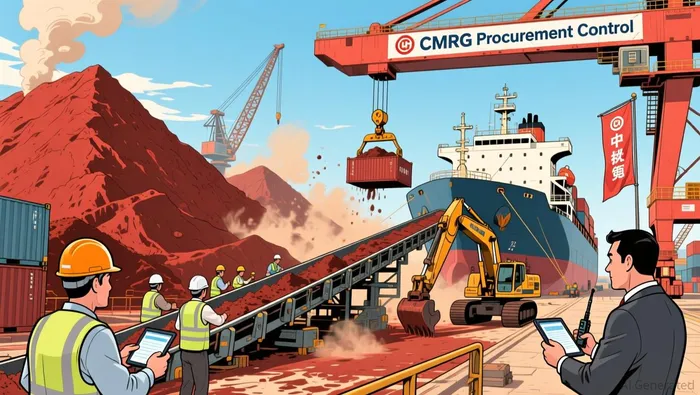
This move underscores a broader trend: China's shift from passive consumption to active market manipulation. Unlike the property-driven demand cycles of the past, today's procurement strategy is tied to infrastructure projects and state-mandated stockpiling. The implications are clear-miners who fail to align with CMRG's priorities risk being sidelined.
Miners and Traders: Adapting or Drowning
BHP's response-partially settling spot trades in Chinese yuan (RMB)-signals a grudging acceptance of Beijing's growing influence. As noted in , this shift could accelerate the RMB's role in global commodity trading, further insulating China from U.S. dollar volatility. But BHPBHP-- isn't alone. Vale and Rio Tinto are diversifying into copper, aluminum, and lithium, hedging against iron ore's declining margins. These moves are smart, but they also reveal the sector's fragility: China's steel exports are flooding global markets, crushing steel prices.
For traders, the lesson is equally stark. The CMRG's ability to manipulate supply flows means traditional arbitrage strategies are less reliable. Those who bet on short-term price swings without accounting for China's centralized control are likely to face painful surprises.
Long-Term Goals: Green Steel and Geopolitical Leverage
China's ambitions extend beyond 2025. By investing in overseas mines and pushing for higher-grade iron ore suitable for low-carbon steelmaking, the country aims to dominate the green steel transition. This creates a dual challenge for miners: meet China's evolving quality standards while navigating its currency and regulatory demands. The winners here will be producers with both technical flexibility and geopolitical agility.
Yet, the risks are non-trivial. A struggling domestic property sector and government-mandated production cuts have already created a volatile backdrop. .
Investment Takeaways
For investors, the key is to separate the resilient from the vulnerable. Companies like BHP, Vale, and Rio Tinto-those with diversified portfolios and currency flexibility-are better positioned to weather the storm. Conversely, smaller miners reliant on China's traditional demand cycles face existential threats. Traders should also monitor yuan-denominated contracts closely; they're not just a financial tool but a barometer of China's broader economic strategy.
The CMRG's actions are a wake-up call: in the new iron ore era, market access is no longer a given. It's a privilege earned through alignment with Beijing's vision. For those who adapt, the rewards could be substantial. For laggards? The price of inaction will be steep.







Comentarios
Aún no hay comentarios