
China's Strategic Energy Play: Navigating Geopolitical Risks and Capitalizing on Sanctioned Crude Opportunities
China's relentless pursuit of discounted crude oil from Iran and Russia, despite stringent U.S. sanctions, underscores a bold strategy to secure energy autonomy and mitigate supply risks. With imports of Iranian and Russian crude surging to 17.8 million barrels per day (mbd) in 2025—nearly double 2022 levels—Beijing has doubled down on a shadow supply chain that relies on clandestine "dark fleet" operations and strategic stockpiling. This move not only signals preparedness for geopolitical disruptions but also creates asymmetric opportunities for investors in energy logistics and transportation, while posing risks tied to sanctions escalation.
The Scale of Sanctioned Crude Imports: A Geopolitical Gamble
China's imports of Iranian and Russian crude now account for nearly 90% of Iran's oil exports and 47% of Russia's total crude sales. This dominance is sustained through a labyrinth of evasion tactics:
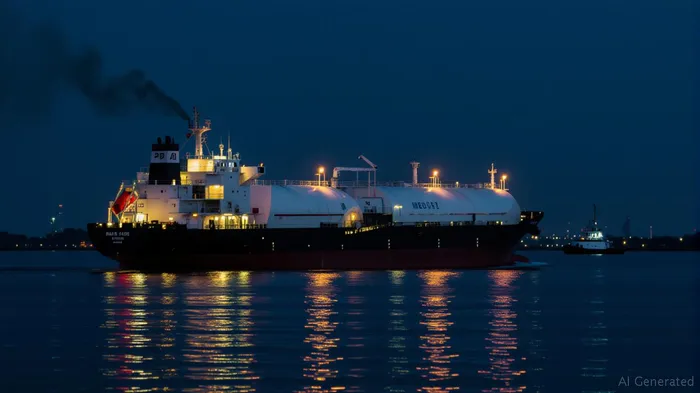
- Dark Fleet Operations: A fleet of 56+ untraceable tankers, often flying flags of convenience (e.g., Eswatini, Panama), conducts ship-to-ship transfers in the Strait of Malacca and South China Sea. These vessels spoof GPS data and reroute oil to ports in Shandong province, where "teapot" refineries process the discounted crude.
- Financial Obfuscation: Transactions are denominated in yuan and routed through sanctioned banks in jurisdictions like the British Virgin Islands, avoiding U.S. dollar systems.
- Strategic Stockpiling: China's oil reserves hit a record 1.1 billion barrels in 2025—enough to cover over 70 days of consumption—providing a buffer against supply shocks.
Geopolitical Risks: The Sword of Damocles
While Beijing's tactics have kept sanctioned crude flowing, the risks are mounting:
1. Sanctions Escalation: The U.S. has blacklisted 183 sanctioned tankers and entities since 2022, with penalties now targeting beneficial ownership networks. A full enforcement of existing price caps could reduce Russia's revenue by 40%, forcing Beijing to seek alternatives.
2. Environmental and Safety Costs: Aging shadow tankers, averaging over 20 years old, pose spill risks that could cost coastal nations €1 billion+ in cleanup. Regulators are tightening oversight, with the EU requiring 48-hour advance notice for ship-to-ship transfers.
3. Strategic Overreach: Overreliance on sanctioned crude could strain China's diplomatic ties. A potential U.S.-Iran nuclear deal revival could undercut the discount advantage, destabilizing the business model of Shandong's teapot refineries.
Investment Opportunities: Logistics as a Geopolitical Hedge
The energy supply chain's shadow economy creates niche opportunities:
- Tanker Operators: Firms like China Shipping Development (600026.SS) and Sinochem Shipping benefit from the dark fleet's demand. Their stocks may rally if sanctions carve out exemptions for "neutral" shipping companies.
- Port Infrastructure: Shanghai International Port Group (SIPG) and Shandong Port Group handle 80% of sanctioned crude offloads. Their operational resilience to U.S. penalties could drive valuation upside.
- Energy Storage Tech: Companies like BYD (002594.SZ) and Toshiba are advancing lithium-ion battery storage solutions, which could help China manage its stockpile efficiently—a critical edge as reserves expand.
Caution: Balancing the Risks
Investors must weigh upside against escalating geopolitical headwinds:
- Sanctions Tightening: The EU's proposed €45/ barrel price cap on Russian oil could squeeze margins further, testing the viability of sanctioned crude imports.
- Environmental Backlash: A major spill involving shadow tankers could trigger global regulatory crackdowns, disrupting China's supply chain.
- Diversification Pressures: Beijing may pivot to non-sanctioned suppliers (e.g., Venezuela, West Africa) if sanctions intensify, reducing reliance on Iran/Russia.
Conclusion: A Delicate Equilibrium
China's sanctioned crude strategy is a high-reward, high-risk play. For investors, exposure to logistics and tanker operators offers asymmetric upside if Beijing can navigate sanctions without major disruptions. However, a geopolitical misstep—whether from U.S. enforcement or environmental incidents—could unravel the calculus. Monitor sanction designations and shadow tanker utilization rates closely, and pair any exposure with hedging via oil futures contracts or global energy ETFs (e.g., XLE) to mitigate volatility. In this game of energy chess, patience and agility will define success.







Comentarios
Aún no hay comentarios