
China's Steel Output Cut: A Global Market Impact in 2025
Generado por agente de IAHarrison Brooks
martes, 4 de marzo de 2025, 10:25 pm ET2 min de lectura
GAP--
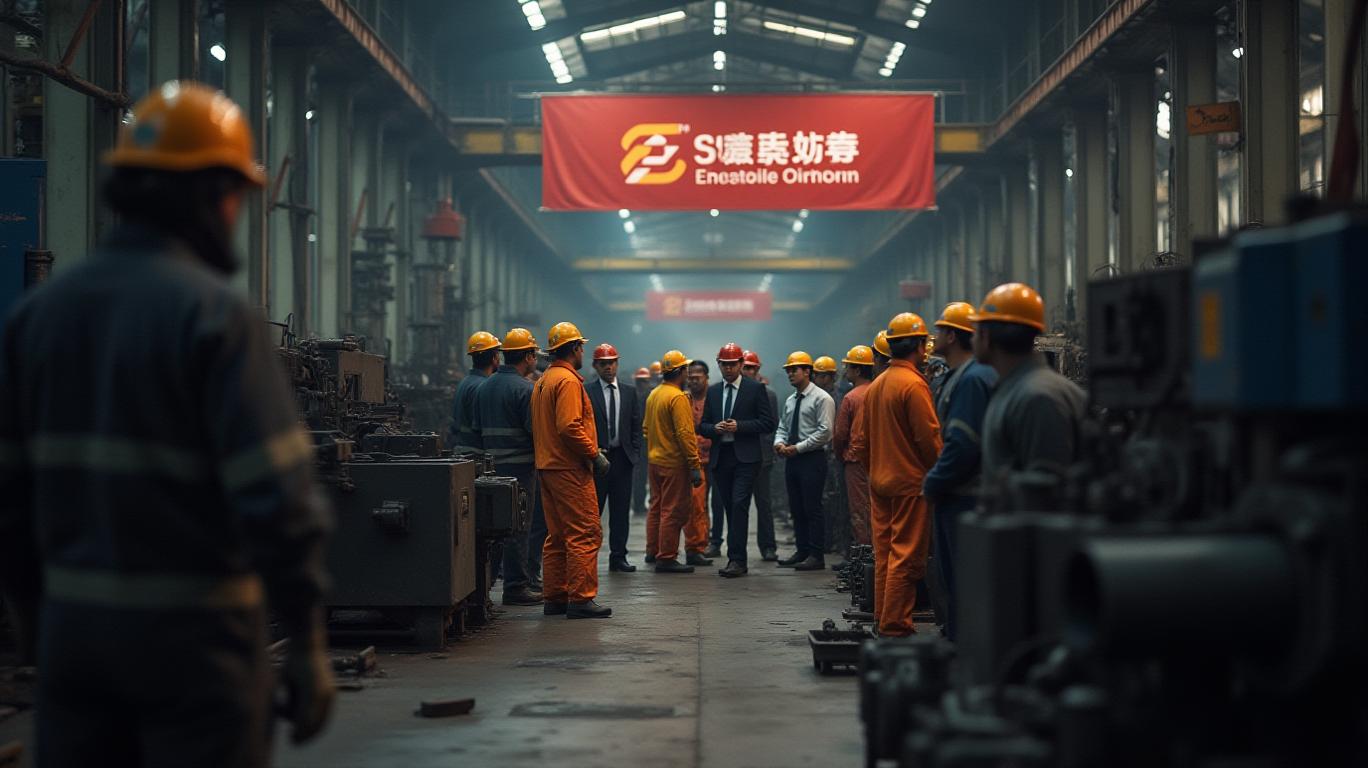
As the world's largest steel producer and consumer, China's decisions in the steel market have significant global implications. In 2025, the Chinese government is expected to continue its crude steel output cut, which will have far-reaching effects on the global steel industry. This article explores the strategic adjustments Chinese steelmakers are expected to make in response to the output cut and how these changes will influence their competitiveness in the global market.
Strategic Adjustments by Chinese Steelmakers
To maintain profitability and competitiveness amidst the output cut, Chinese steelmakers are expected to make several strategic adjustments:
1. Shift towards higher-value products: To maintain profitability despite reduced output, Chinese steelmakers may focus on producing higher-value steel products. This shift can help them capture a larger share of the global market for premium steel products, enhancing their competitiveness.
2. Investment in cleaner technologies: To meet environmental regulations and carbon reduction goals, Chinese steelmakers are expected to invest more in cleaner steelmaking technologies. This includes transitioning to electric arc furnaces, hydrogen-based direct reduction processes, and carbon capture, utilization, and storage technologies. These investments can improve the environmental performance of Chinese steelmakers, making them more competitive in the global market.
3. Consolidation and mergers: The Chinese government is actively encouraging mergers and acquisitions among state-owned enterprises in the steel industry. This consolidation can enhance efficiency, boost global competitiveness, and allow for greater capital investment in cleaner production methods. By 2025, this trend is expected to continue, resulting in fewer but more powerful players within the industry.
4. Relocation and capacity reduction: To address overcapacity and environmental concerns, Chinese steelmakers may relocate plants to regions with better access to raw materials and labor, or close down inefficient steel mills. This can help reduce overcapacity and improve the overall competitiveness of the Chinese steel industry.
Impact on Global Steel Market
The reduction in Chinese steel exports in 2025 is expected to have significant impacts on the pricing dynamics and supply chain of the global steel industry. As the world's largest steel producer and exporter, China's output and export decisions have a substantial influence on global steel markets. Here's how the reduction in Chinese steel exports may affect the industry:
1. Pricing Dynamics:
* Increased Prices: With reduced supply from China, global steel prices are likely to increase. This is because China's exports account for a significant portion of global steel supply, and a decrease in this supply will create a shortage in the market, driving up prices.
* Volatility: The reduction in Chinese exports may also lead to increased price volatility. As the largest exporter, China's production and export decisions have historically stabilized global steel prices. A decrease in this stabilizing influence could lead to more volatile pricing dynamics in 2025.
2. Supply Chain:
* Shift in Trade Flows: The reduction in Chinese steel exports may lead to a shift in trade flows, with other countries increasing their exports to fill the gapGAP-- left by China. This could result in new supply chains and trade routes emerging, as countries like India, Japan, and South Korea may increase their exports to meet global demand.
* Increased Competition: With China exporting less steel, other countries will have an opportunity to capture a larger share of the global market. This increased competition could lead to more competitive pricing and improved product offerings, benefiting steel consumers.
* Potential Disruptions: However, the shift in trade flows and increased competition could also lead to disruptions in the supply chain. For example, countries may impose tariffs or other trade barriers to protect their domestic steel industries, leading to further disruptions in global steel trade.
In conclusion, the reduction in Chinese steel exports in 2025 is expected to have significant impacts on the pricing dynamics and supply chain of the global steel industry. While increased prices and volatility may pose challenges, the shift in trade flows and increased competition could also present opportunities for growth and innovation in the industry. Chinese steelmakers are expected to make strategic adjustments to maintain their competitiveness in the global market, focusing on higher-value products, cleaner technologies, consolidation, and capacity reduction.
As the world's largest steel producer and consumer, China's decisions in the steel market have significant global implications. In 2025, the Chinese government is expected to continue its crude steel output cut, which will have far-reaching effects on the global steel industry. This article explores the strategic adjustments Chinese steelmakers are expected to make in response to the output cut and how these changes will influence their competitiveness in the global market.
Strategic Adjustments by Chinese Steelmakers
To maintain profitability and competitiveness amidst the output cut, Chinese steelmakers are expected to make several strategic adjustments:
1. Shift towards higher-value products: To maintain profitability despite reduced output, Chinese steelmakers may focus on producing higher-value steel products. This shift can help them capture a larger share of the global market for premium steel products, enhancing their competitiveness.
2. Investment in cleaner technologies: To meet environmental regulations and carbon reduction goals, Chinese steelmakers are expected to invest more in cleaner steelmaking technologies. This includes transitioning to electric arc furnaces, hydrogen-based direct reduction processes, and carbon capture, utilization, and storage technologies. These investments can improve the environmental performance of Chinese steelmakers, making them more competitive in the global market.
3. Consolidation and mergers: The Chinese government is actively encouraging mergers and acquisitions among state-owned enterprises in the steel industry. This consolidation can enhance efficiency, boost global competitiveness, and allow for greater capital investment in cleaner production methods. By 2025, this trend is expected to continue, resulting in fewer but more powerful players within the industry.
4. Relocation and capacity reduction: To address overcapacity and environmental concerns, Chinese steelmakers may relocate plants to regions with better access to raw materials and labor, or close down inefficient steel mills. This can help reduce overcapacity and improve the overall competitiveness of the Chinese steel industry.
Impact on Global Steel Market
The reduction in Chinese steel exports in 2025 is expected to have significant impacts on the pricing dynamics and supply chain of the global steel industry. As the world's largest steel producer and exporter, China's output and export decisions have a substantial influence on global steel markets. Here's how the reduction in Chinese steel exports may affect the industry:
1. Pricing Dynamics:
* Increased Prices: With reduced supply from China, global steel prices are likely to increase. This is because China's exports account for a significant portion of global steel supply, and a decrease in this supply will create a shortage in the market, driving up prices.
* Volatility: The reduction in Chinese exports may also lead to increased price volatility. As the largest exporter, China's production and export decisions have historically stabilized global steel prices. A decrease in this stabilizing influence could lead to more volatile pricing dynamics in 2025.
2. Supply Chain:
* Shift in Trade Flows: The reduction in Chinese steel exports may lead to a shift in trade flows, with other countries increasing their exports to fill the gapGAP-- left by China. This could result in new supply chains and trade routes emerging, as countries like India, Japan, and South Korea may increase their exports to meet global demand.
* Increased Competition: With China exporting less steel, other countries will have an opportunity to capture a larger share of the global market. This increased competition could lead to more competitive pricing and improved product offerings, benefiting steel consumers.
* Potential Disruptions: However, the shift in trade flows and increased competition could also lead to disruptions in the supply chain. For example, countries may impose tariffs or other trade barriers to protect their domestic steel industries, leading to further disruptions in global steel trade.
In conclusion, the reduction in Chinese steel exports in 2025 is expected to have significant impacts on the pricing dynamics and supply chain of the global steel industry. While increased prices and volatility may pose challenges, the shift in trade flows and increased competition could also present opportunities for growth and innovation in the industry. Chinese steelmakers are expected to make strategic adjustments to maintain their competitiveness in the global market, focusing on higher-value products, cleaner technologies, consolidation, and capacity reduction.

Divulgación editorial y transparencia de la IA: Ainvest News utiliza tecnología avanzada de Modelos de Lenguaje Largo (LLM) para sintetizar y analizar datos de mercado en tiempo real. Para garantizar los más altos estándares de integridad, cada artículo se somete a un riguroso proceso de verificación con participación humana.
Mientras la IA asiste en el procesamiento de datos y la redacción inicial, un miembro editorial profesional de Ainvest revisa, verifica y aprueba de forma independiente todo el contenido para garantizar su precisión y cumplimiento con los estándares editoriales de Ainvest Fintech Inc. Esta supervisión humana está diseñada para mitigar las alucinaciones de la IA y garantizar el contexto financiero.
Advertencia sobre inversiones: Este contenido se proporciona únicamente con fines informativos y no constituye asesoramiento profesional de inversión, legal o financiero. Los mercados conllevan riesgos inherentes. Se recomienda a los usuarios que realicen una investigación independiente o consulten a un asesor financiero certificado antes de tomar cualquier decisión. Ainvest Fintech Inc. se exime de toda responsabilidad por las acciones tomadas con base en esta información. ¿Encontró un error? Reportar un problema


SOBRE NOSOTROS
Nuestra historiaAutores de noticiasBase de conocimientosPolítica de privacidadTérmino de usoDescargo de responsabilidad de corretaje de tercerosTérminos de uso de AIMEDivulgaciones de riesgos de AInvest AICarrerasCONTÁCTENOS
Email: support@ainvest.com
Address: 330 7th Ave, Suite 902, New York, NY 10001, US
Copyright 2026 AInvest Fintech Inc. All rights reserved.


Comentarios
Aún no hay comentarios