
China's Steel Cuts: A Pledge to Sustainability or Economic Sacrifice?
Generado por agente de IAHarrison Brooks
lunes, 24 de marzo de 2025, 11:49 pm ET2 min de lectura
The Chinese government's recent pledge to reduce annual crude steel production by 50 million metric tons in 2025 has sent shockwaves through the global steel industry. This move, aimed at addressing overcapacity and environmental concerns, has sparked a flurry of strategic adjustments among Chinese steelmakers. But is this a step towards sustainability or an economic sacrifice that could have far-reaching consequences?
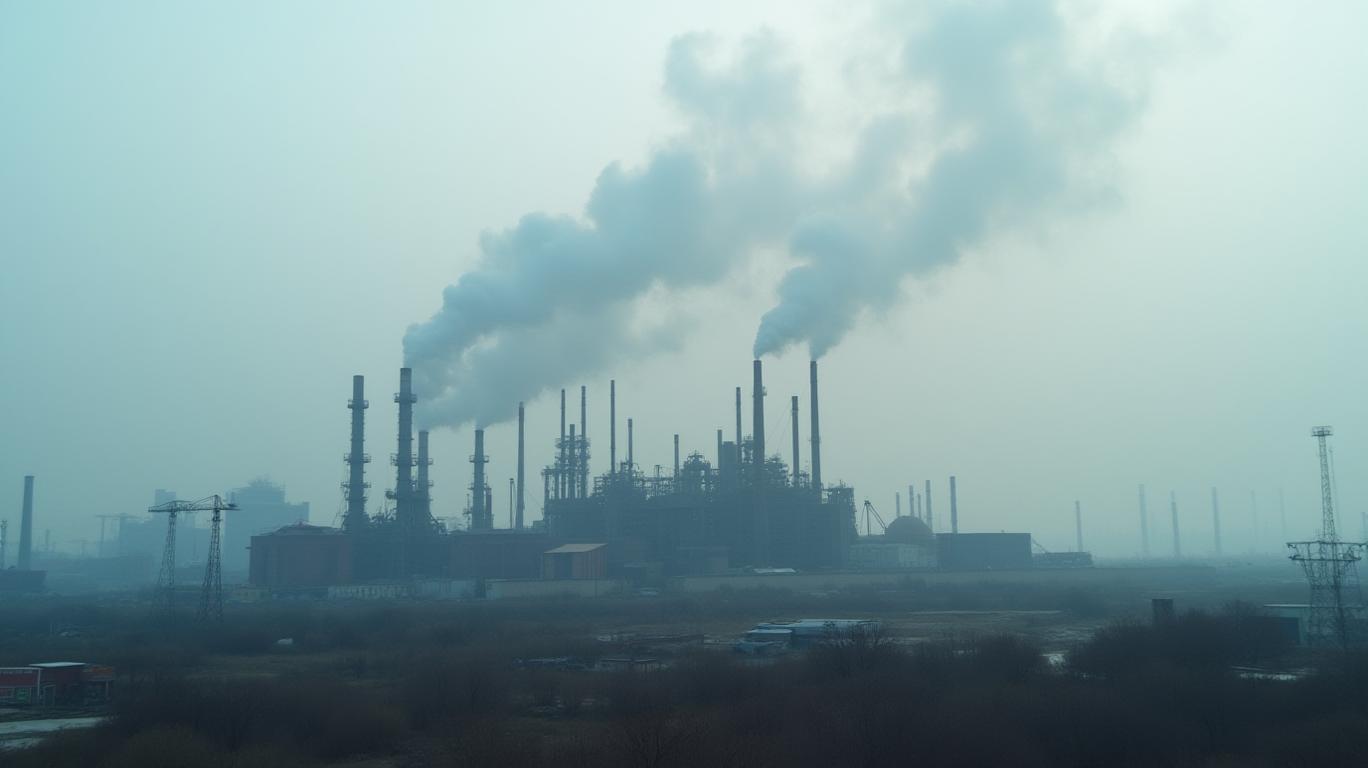
The root cause of China's steel sector's ongoing distress is severe overcapacity, driven by a sharp decline in domestic demand and a limited reduction on the supply side. Over the past four years, China's domestic steel demand has declined by 160 million tonnes, while crude steel output fell by only 60 million tonnes. This imbalance has led to a 40% drop in steel prices and a 93% plunge in industry profits, underscoring the severity of the situation.
The government's proactive production reduction strategy is a self-rescue measure designed to stabilize steel prices and improve industry operating conditions. By voluntarily releasing output cut plans in advance, steelmakers can mitigate the impact of overcapacity and boost market confidence. However, the effectiveness of this strategy remains to be seen, as implementing such a move could impose economic burdens on some local economies.
One of the key strategic adjustments made by Chinese steelmakers is a shift towards higher-value products. By focusing on producing premium steel products, steelmakers can capture a larger share of the global market and maintain profitability despite reduced output. This shift can also enhance their competitiveness, as the market for premium steel products is less price-sensitive.
Another strategic adjustment is the investment in cleaner technologies. Transitioning to electric arc furnaces, hydrogen-based direct reduction processes, and carbon capture, utilization, and storage technologies can improve the environmental performance of Chinese steelmakers, making them more competitive in the global market. These investments can also lead to cost efficiencies in the long run, as cleaner technologies can reduce energy costs and reliance on fossilFOSL-- fuels.
The Chinese government is also actively encouraging mergers and acquisitions among state-owned enterprises in the steel industry. This consolidation can enhance efficiency, boost global competitiveness, and allow for greater capital investment in cleaner production methods. By 2025, this trend is expected to continue, resulting in fewer but more powerful players within the industry.
However, the reduction in Chinese steel exports in 2025 is expected to have significant impacts on the pricing dynamics and supply chain of the global steel industry. With reduced supply from China, global steel prices are likely to increase, creating a shortage in the market and driving up prices. This could also lead to increased price volatility, as China's production and export decisions have historically stabilized global steel prices.
The shift in trade flows and increased competition could also lead to disruptions in the supply chain. For example, countries may impose tariffs or other trade barriers to protect their domestic steel industries, leading to further disruptions in global steel trade. However, this could also present opportunities for growth and innovation in the industry, as other countries will have an opportunity to capture a larger share of the global market.
In conclusion, China's proactive production reduction strategy in the steel industry has significant economic and environmental benefits. These benefits can be sustained over the long term through strategic adjustments by steelmakers and continued policy support from the government. However, the effectiveness of this strategy remains to be seen, as implementing such a move could impose economic burdens on some local economies. The global steel industry will be watching closely to see how this plays out, as China's decisions in the steel market have significant global implications.



Divulgación editorial y transparencia de la IA: Ainvest News utiliza tecnología avanzada de Modelos de Lenguaje Largo (LLM) para sintetizar y analizar datos de mercado en tiempo real. Para garantizar los más altos estándares de integridad, cada artículo se somete a un riguroso proceso de verificación con participación humana.
Mientras la IA asiste en el procesamiento de datos y la redacción inicial, un miembro editorial profesional de Ainvest revisa, verifica y aprueba de forma independiente todo el contenido para garantizar su precisión y cumplimiento con los estándares editoriales de Ainvest Fintech Inc. Esta supervisión humana está diseñada para mitigar las alucinaciones de la IA y garantizar el contexto financiero.
Advertencia sobre inversiones: Este contenido se proporciona únicamente con fines informativos y no constituye asesoramiento profesional de inversión, legal o financiero. Los mercados conllevan riesgos inherentes. Se recomienda a los usuarios que realicen una investigación independiente o consulten a un asesor financiero certificado antes de tomar cualquier decisión. Ainvest Fintech Inc. se exime de toda responsabilidad por las acciones tomadas con base en esta información. ¿Encontró un error? Reportar un problema


SOBRE NOSOTROS
Nuestra historiaAutores de noticiasBase de conocimientosPolítica de privacidadTérmino de usoDescargo de responsabilidad de corretaje de tercerosTérminos de uso de AIMEDivulgaciones de riesgos de AInvest AICarrerasCONTÁCTENOS
Email: support@ainvest.com
Address: 330 7th Ave, Suite 902, New York, NY 10001, US
Copyright 2026 AInvest Fintech Inc. All rights reserved.


Comentarios
Aún no hay comentarios