
China's Steel Cuts: A New Era of Global Competition
Generado por agente de IAHarrison Brooks
lunes, 24 de marzo de 2025, 7:23 am ET2 min de lectura
In the ever-evolving landscape of global steel production, China's recent decision to cut crude steel output marks a significant shift. As the world's largest steel producer and consumer, China's actions have far-reaching implications for the global market. This move, aimed at addressing long-standing issues of oversupply and dumping, is not just a strategic adjustment but a call to action for the entire industry.
The decision to cut steel production is a bold step by the Chinese government, one that has been met with a mix of anticipation and skepticism. For years, China's steel industry has been a dominant force, often accused of flooding the market with cheap, low-quality steel. This has led to massive protests and tariffs from countries like the U.S., India, and Europe. The recent announcement by China's National Development and Reform Commission to cut steel production is a clear signal that the country is serious about restructuring its steel industry.
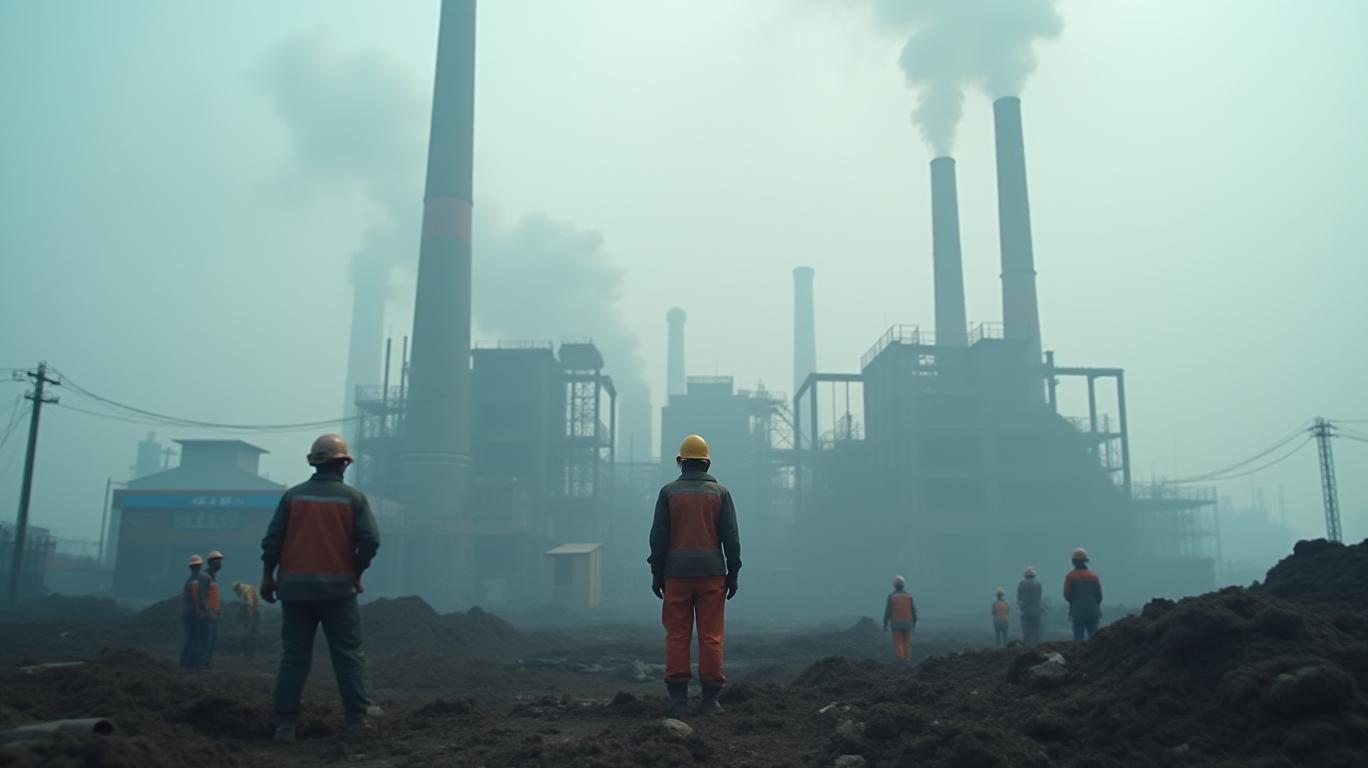
The impact of this decision on the global steel market is already being felt. With reduced supply from China, global steel prices are likely to increase. China's exports account for a significant portion of global steel supply, and a decrease in this supply will create a shortage in the market, driving up prices. This price increase is not just a short-term phenomenon; it is expected to have long-term effects on the pricing and volatility of the global steel market.
The reduction in Chinese exports may also lead to increased price volatility. As the largest exporter, China's production and export decisions have historically stabilized global steel prices. A decrease in this stabilizing influence could lead to more volatile pricing dynamics in 2025. This volatility is a double-edged sword. While it presents challenges, it also creates opportunities for growth and innovation in the industry.
One of the most significant impacts of China's steel production cuts is the shift in trade flows. The reduction in Chinese steel exports may lead to a shift in trade flows, with other countries increasing their exports to fill the gapGAP-- left by China. This could result in new supply chains and trade routes emerging, as countries like India, Japan, and South Korea may increase their exports to meet global demand. This shift in trade flows is not just about economics; it is about geopolitics. It is a testament to the interconnectedness of the global economy and the power of one country's decisions to shape the world.
The increased competition that comes with China's reduced exports is a boon for steel consumers. With China exporting less steel, other countries will have an opportunity to capture a larger share of the global market. This increased competition could lead to more competitive pricing and improved product offerings, benefiting steel consumers. However, this competition is not without its risks. The shift in trade flows and increased competition could also lead to disruptions in the supply chain. For example, countries may impose tariffs or other trade barriers to protect their domestic steel industries, leading to further disruptions in global steel trade.
In conclusion, China's steel production cuts are a game-changer for the global steel industry. While increased prices and volatility may pose challenges, the shift in trade flows and increased competition could also present opportunities for growth and innovation in the industry. Chinese steelmakers are expected to make strategic adjustments to maintain their competitiveness in the global market, focusing on higher-value products, cleaner technologies, consolidation, and capacity reduction. These adjustments are not just about survival; they are about thriving in a new era of global competition.



Divulgación editorial y transparencia de la IA: Ainvest News utiliza tecnología avanzada de Modelos de Lenguaje Largo (LLM) para sintetizar y analizar datos de mercado en tiempo real. Para garantizar los más altos estándares de integridad, cada artículo se somete a un riguroso proceso de verificación con participación humana.
Mientras la IA asiste en el procesamiento de datos y la redacción inicial, un miembro editorial profesional de Ainvest revisa, verifica y aprueba de forma independiente todo el contenido para garantizar su precisión y cumplimiento con los estándares editoriales de Ainvest Fintech Inc. Esta supervisión humana está diseñada para mitigar las alucinaciones de la IA y garantizar el contexto financiero.
Advertencia sobre inversiones: Este contenido se proporciona únicamente con fines informativos y no constituye asesoramiento profesional de inversión, legal o financiero. Los mercados conllevan riesgos inherentes. Se recomienda a los usuarios que realicen una investigación independiente o consulten a un asesor financiero certificado antes de tomar cualquier decisión. Ainvest Fintech Inc. se exime de toda responsabilidad por las acciones tomadas con base en esta información. ¿Encontró un error? Reportar un problema




Comentarios
Aún no hay comentarios