
The China Shock Behind the Honda-Nissan Merger Talks
Generado por agente de IAWesley Park
miércoles, 18 de diciembre de 2024, 9:39 am ET2 min de lectura
BYD--
The automotive industry is in the midst of a seismic shift, driven by the rapid rise of electric vehicles (EVs) and the dominance of Chinese manufacturers. Two Japanese giants, Honda and Nissan, are now exploring a merger to better compete in this new landscape, a move that underscores the growing influence of the China Shock.
The China Shock refers to the dramatic impact of Chinese EV producers on the global market. Two companies, in particular, have posed significant challenges to traditional automakers: BYD and Tesla. BYD, backed by Warren Buffett, has emerged as a dominant force in the Chinese EV market, selling over 1.27 million electric vehicles in November 2023 alone, accounting for over 70% of global EV sales. BYD's success lies in its affordable pricing and rapid innovation, making it a formidable competitor to traditional automakers like Honda and Nissan.
Tesla, the global EV leader, has also made significant inroads in China, with its Model 3 and Model Y being popular choices among Chinese consumers. Tesla's advanced technology, strong brand, and aggressive expansion strategy have put pressure on Japanese automakers to innovate and adapt.
To counter this competition, Honda and Nissan have announced strategic partnerships, exploring collaborations in EV production and software technologies. In March 2024, they agreed to commence a feasibility study, with Mitsubishi Motors joining the talks in August. This alliance aims to cut costs and improve competitiveness, enabling the Japanese automakers to better challenge Chinese and U.S. EV makers.
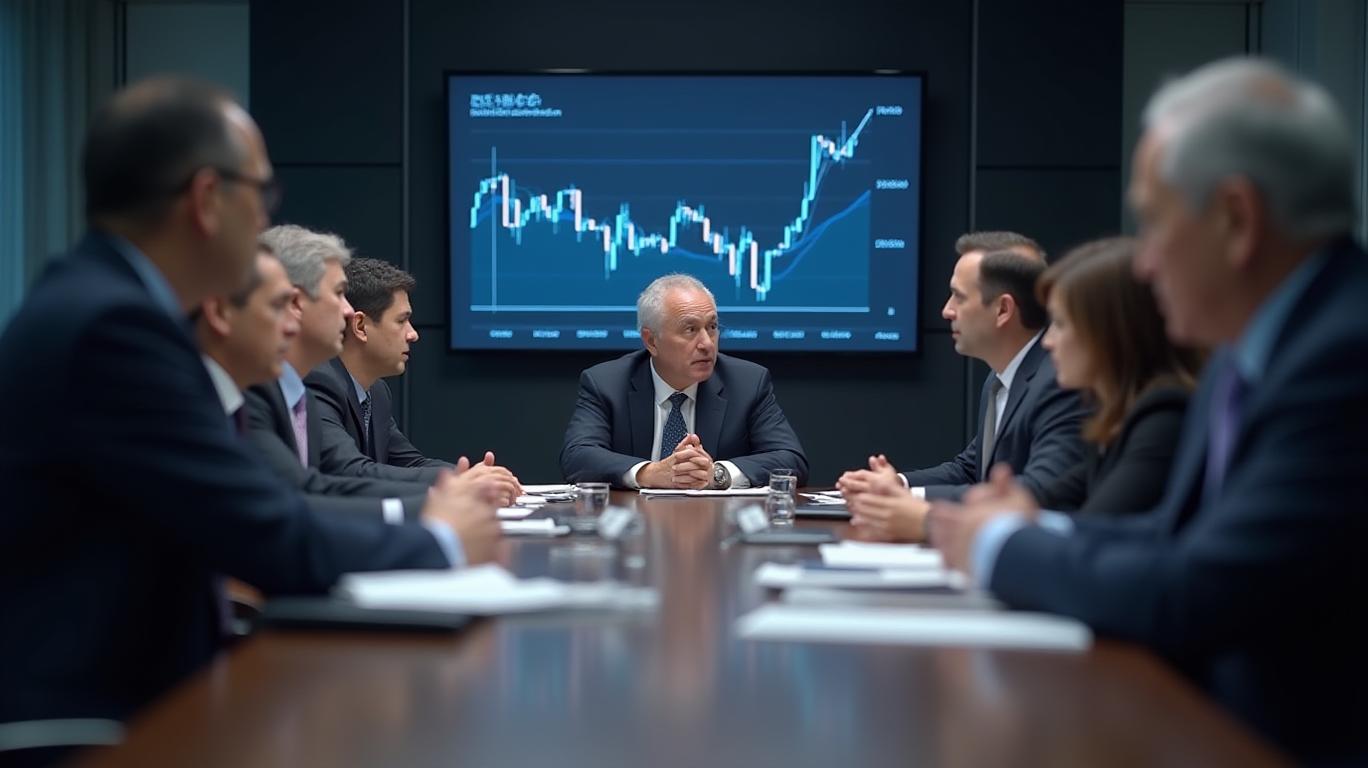
However, the proposed merger between Honda and Nissan, if successful, would create a behemoth worth about $55 billion, based on the market capitalization of all three automakers. This would help the companies gain larger scale to compete with Japan's market leader Toyota Motor Corp. and with German automaker Volkswagen AG.
Government policies and incentives in China have significantly contributed to the rise of domestic EV manufacturers, reshaping the competitive landscape for Honda and Nissan. China's government has provided substantial subsidies and tax breaks for EV purchases, creating a favorable environment for local brands like BYD and NIO. Additionally, China's "Made in China 2025" initiative aims to transform the country into a global leader in advanced manufacturing, including electric vehicles. This policy has further boosted the growth of domestic EV manufacturers, making it challenging for foreign companies like Honda and Nissan to compete effectively.
In conclusion, the China Shock, driven by the rapid rise of Chinese EV manufacturers like BYD and Tesla, has forced Honda and Nissan to explore strategic partnerships and even a potential merger. This response underscores the growing importance of the Chinese market and the need for traditional automakers to adapt and innovate in the face of intense competition. As the global EV market continues to evolve, the success of Honda and Nissan's merger talks will be a critical factor in shaping the future of the automotive industry.
HMC--
TSLA--
The automotive industry is in the midst of a seismic shift, driven by the rapid rise of electric vehicles (EVs) and the dominance of Chinese manufacturers. Two Japanese giants, Honda and Nissan, are now exploring a merger to better compete in this new landscape, a move that underscores the growing influence of the China Shock.
The China Shock refers to the dramatic impact of Chinese EV producers on the global market. Two companies, in particular, have posed significant challenges to traditional automakers: BYD and Tesla. BYD, backed by Warren Buffett, has emerged as a dominant force in the Chinese EV market, selling over 1.27 million electric vehicles in November 2023 alone, accounting for over 70% of global EV sales. BYD's success lies in its affordable pricing and rapid innovation, making it a formidable competitor to traditional automakers like Honda and Nissan.
Tesla, the global EV leader, has also made significant inroads in China, with its Model 3 and Model Y being popular choices among Chinese consumers. Tesla's advanced technology, strong brand, and aggressive expansion strategy have put pressure on Japanese automakers to innovate and adapt.
To counter this competition, Honda and Nissan have announced strategic partnerships, exploring collaborations in EV production and software technologies. In March 2024, they agreed to commence a feasibility study, with Mitsubishi Motors joining the talks in August. This alliance aims to cut costs and improve competitiveness, enabling the Japanese automakers to better challenge Chinese and U.S. EV makers.
However, the proposed merger between Honda and Nissan, if successful, would create a behemoth worth about $55 billion, based on the market capitalization of all three automakers. This would help the companies gain larger scale to compete with Japan's market leader Toyota Motor Corp. and with German automaker Volkswagen AG.
Government policies and incentives in China have significantly contributed to the rise of domestic EV manufacturers, reshaping the competitive landscape for Honda and Nissan. China's government has provided substantial subsidies and tax breaks for EV purchases, creating a favorable environment for local brands like BYD and NIO. Additionally, China's "Made in China 2025" initiative aims to transform the country into a global leader in advanced manufacturing, including electric vehicles. This policy has further boosted the growth of domestic EV manufacturers, making it challenging for foreign companies like Honda and Nissan to compete effectively.
In conclusion, the China Shock, driven by the rapid rise of Chinese EV manufacturers like BYD and Tesla, has forced Honda and Nissan to explore strategic partnerships and even a potential merger. This response underscores the growing importance of the Chinese market and the need for traditional automakers to adapt and innovate in the face of intense competition. As the global EV market continues to evolve, the success of Honda and Nissan's merger talks will be a critical factor in shaping the future of the automotive industry.

Divulgación editorial y transparencia de la IA: Ainvest News utiliza tecnología avanzada de Modelos de Lenguaje Largo (LLM) para sintetizar y analizar datos de mercado en tiempo real. Para garantizar los más altos estándares de integridad, cada artículo se somete a un riguroso proceso de verificación con participación humana.
Mientras la IA asiste en el procesamiento de datos y la redacción inicial, un miembro editorial profesional de Ainvest revisa, verifica y aprueba de forma independiente todo el contenido para garantizar su precisión y cumplimiento con los estándares editoriales de Ainvest Fintech Inc. Esta supervisión humana está diseñada para mitigar las alucinaciones de la IA y garantizar el contexto financiero.
Advertencia sobre inversiones: Este contenido se proporciona únicamente con fines informativos y no constituye asesoramiento profesional de inversión, legal o financiero. Los mercados conllevan riesgos inherentes. Se recomienda a los usuarios que realicen una investigación independiente o consulten a un asesor financiero certificado antes de tomar cualquier decisión. Ainvest Fintech Inc. se exime de toda responsabilidad por las acciones tomadas con base en esta información. ¿Encontró un error? Reportar un problema


SOBRE NOSOTROS
Nuestra historiaAutores de noticiasBase de conocimientosPolítica de privacidadTérmino de usoDescargo de responsabilidad de corretaje de tercerosTérminos de uso de AIMEDivulgaciones de riesgos de AInvest AICarrerasCONTÁCTENOS
Email: support@ainvest.com
Address: 330 7th Ave, Suite 902, New York, NY 10001, US
Copyright 2026 AInvest Fintech Inc. All rights reserved.


Comentarios
Aún no hay comentarios