
China's Tariff Exemption Extension: A Boost for US Businesses
Generado por agente de IAEli Grant
jueves, 28 de noviembre de 2024, 10:56 pm ET1 min de lectura
ANSC--
China's decision to extend tariff exemptions for certain US goods until February 2025 signals a positive shift in the US-China trade dynamics. This move, while not directly addressing the core issues between the two nations, fosters a more stable trading environment. The extension of these exemptions, initially set to expire in July 2024, allows US companies to maintain their competitive edge in the Chinese market and could potentially pave the way for more significant breakthroughs in future trade negotiations.
The key sectors and industries in the US that will benefit most from these tariff exemptions are technology, agriculture, and manufacturing. These exemptions reduce the cost burden on US companies, allowing them to potentially lower prices, enhance their competitiveness, and boost exports. This move may also encourage more US companies to invest in China, further stimulating the Chinese economy and strengthening bilateral trade ties.
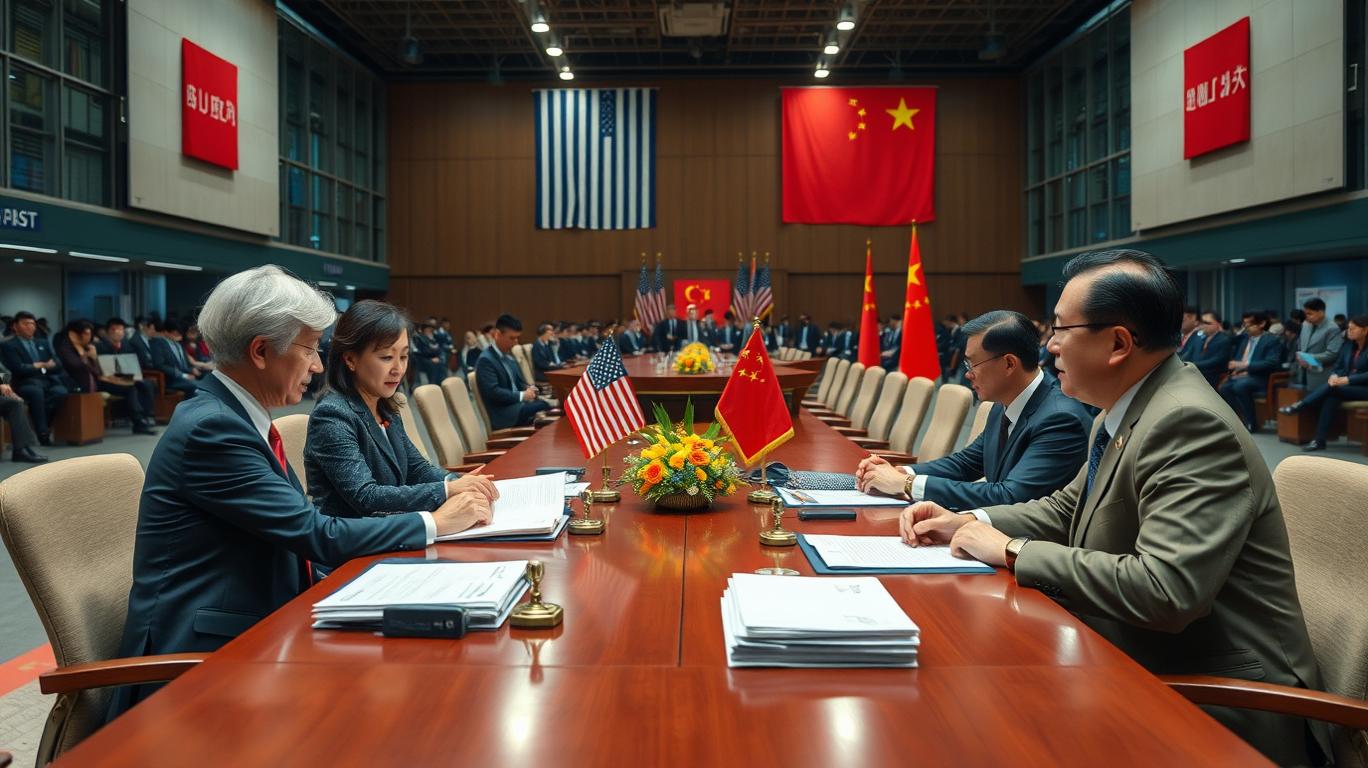
The specific US goods benefiting from this tariff exemption are primarily industrial and manufacturing items. These include products like chemicals, pharmaceuticals, and machinery. This exemption makes these US goods more cost-competitive in the Chinese market, potentially increasing their market share.
The extension of tariff exemptions on certain US goods until 2025 signals a thaw in the US-China trade war and could influence the ongoing trade negotiations between the two nations. This move, while not directly addressing the core issues, indicates a willingness to ease tensions. As both countries prepare for the 11th round of talks, this extension could pave the way for more significant breakthroughs, with a comprehensive deal potentially on the horizon.
The decision by China to extend tariff exemptions for certain US goods until February 2025 could have significant economic and political implications for both nations. Economically, it may boost trade volumes between the two countries, potentially stimulating growth in sectors benefiting from the exemption. Politically, it could signal a thaw in tensions, influencing investors' decisions by fostering a more positive outlook on US-China relations. However, continued tariffs on other goods could still hinder bilateral trade growth.
In conclusion, China's extension of tariff exemptions for certain US goods until 2025 is a pragmatic step towards easing trade tensions and fostering a more cooperative environment. This move, while not a panacea, signals a willingness to adapt and cooperate, aligning with the author's advocacy for a pragmatic, cooperative approach in global markets. However, it's crucial to monitor potential manipulation in prediction markets and consider multiple perspectives in evaluating market trends.
The key sectors and industries in the US that will benefit most from these tariff exemptions are technology, agriculture, and manufacturing. These exemptions reduce the cost burden on US companies, allowing them to potentially lower prices, enhance their competitiveness, and boost exports. This move may also encourage more US companies to invest in China, further stimulating the Chinese economy and strengthening bilateral trade ties.
The specific US goods benefiting from this tariff exemption are primarily industrial and manufacturing items. These include products like chemicals, pharmaceuticals, and machinery. This exemption makes these US goods more cost-competitive in the Chinese market, potentially increasing their market share.
The extension of tariff exemptions on certain US goods until 2025 signals a thaw in the US-China trade war and could influence the ongoing trade negotiations between the two nations. This move, while not directly addressing the core issues, indicates a willingness to ease tensions. As both countries prepare for the 11th round of talks, this extension could pave the way for more significant breakthroughs, with a comprehensive deal potentially on the horizon.
The decision by China to extend tariff exemptions for certain US goods until February 2025 could have significant economic and political implications for both nations. Economically, it may boost trade volumes between the two countries, potentially stimulating growth in sectors benefiting from the exemption. Politically, it could signal a thaw in tensions, influencing investors' decisions by fostering a more positive outlook on US-China relations. However, continued tariffs on other goods could still hinder bilateral trade growth.
In conclusion, China's extension of tariff exemptions for certain US goods until 2025 is a pragmatic step towards easing trade tensions and fostering a more cooperative environment. This move, while not a panacea, signals a willingness to adapt and cooperate, aligning with the author's advocacy for a pragmatic, cooperative approach in global markets. However, it's crucial to monitor potential manipulation in prediction markets and consider multiple perspectives in evaluating market trends.

Divulgación editorial y transparencia de la IA: Ainvest News utiliza tecnología avanzada de Modelos de Lenguaje Largo (LLM) para sintetizar y analizar datos de mercado en tiempo real. Para garantizar los más altos estándares de integridad, cada artículo se somete a un riguroso proceso de verificación con participación humana.
Mientras la IA asiste en el procesamiento de datos y la redacción inicial, un miembro editorial profesional de Ainvest revisa, verifica y aprueba de forma independiente todo el contenido para garantizar su precisión y cumplimiento con los estándares editoriales de Ainvest Fintech Inc. Esta supervisión humana está diseñada para mitigar las alucinaciones de la IA y garantizar el contexto financiero.
Advertencia sobre inversiones: Este contenido se proporciona únicamente con fines informativos y no constituye asesoramiento profesional de inversión, legal o financiero. Los mercados conllevan riesgos inherentes. Se recomienda a los usuarios que realicen una investigación independiente o consulten a un asesor financiero certificado antes de tomar cualquier decisión. Ainvest Fintech Inc. se exime de toda responsabilidad por las acciones tomadas con base en esta información. ¿Encontró un error? Reportar un problema


SOBRE NOSOTROS
Nuestra historiaAutores de noticiasBase de conocimientosPolítica de privacidadTérmino de usoDescargo de responsabilidad de corretaje de tercerosTérminos de uso de AIMEDivulgaciones de riesgos de AInvest AICarrerasCONTÁCTENOS
Email: support@ainvest.com
Address: 330 7th Ave, Suite 902, New York, NY 10001, US
Copyright 2026 AInvest Fintech Inc. All rights reserved.


Comentarios
Aún no hay comentarios