
China's Satellite Megaprojects: Challenging Elon Musk's Starlink
Generado por agente de IAWesley Park
domingo, 15 de diciembre de 2024, 8:17 am ET1 min de lectura
AMZN--
In the rapidly evolving space industry, China is making significant strides with its ambitious satellite megaprojects, directly challenging Elon Musk's Starlink. As the global demand for satellite internet services grows, China's efforts to establish its own constellations could reshape the market and geopolitical landscape. Let's delve into the potential and challenges of these projects.
China's satellite megaprojects, such as Qianfan, Guo Wang, and Honghu-3, aim to provide global internet access, secure finite orbital slots, and enhance national internet coverage and data security. With around 38,000 satellites planned across these projects, China seeks to challenge U.S. projects like Starlink. The Chinese government's push for these constellations can be seen as a response to Starlink's potential to provide uncensored content to its citizens and allied countries, which could pierce through China's censorship regime. By offering an alternative, China can maintain control over its citizens' internet access and assert geopolitical influence.
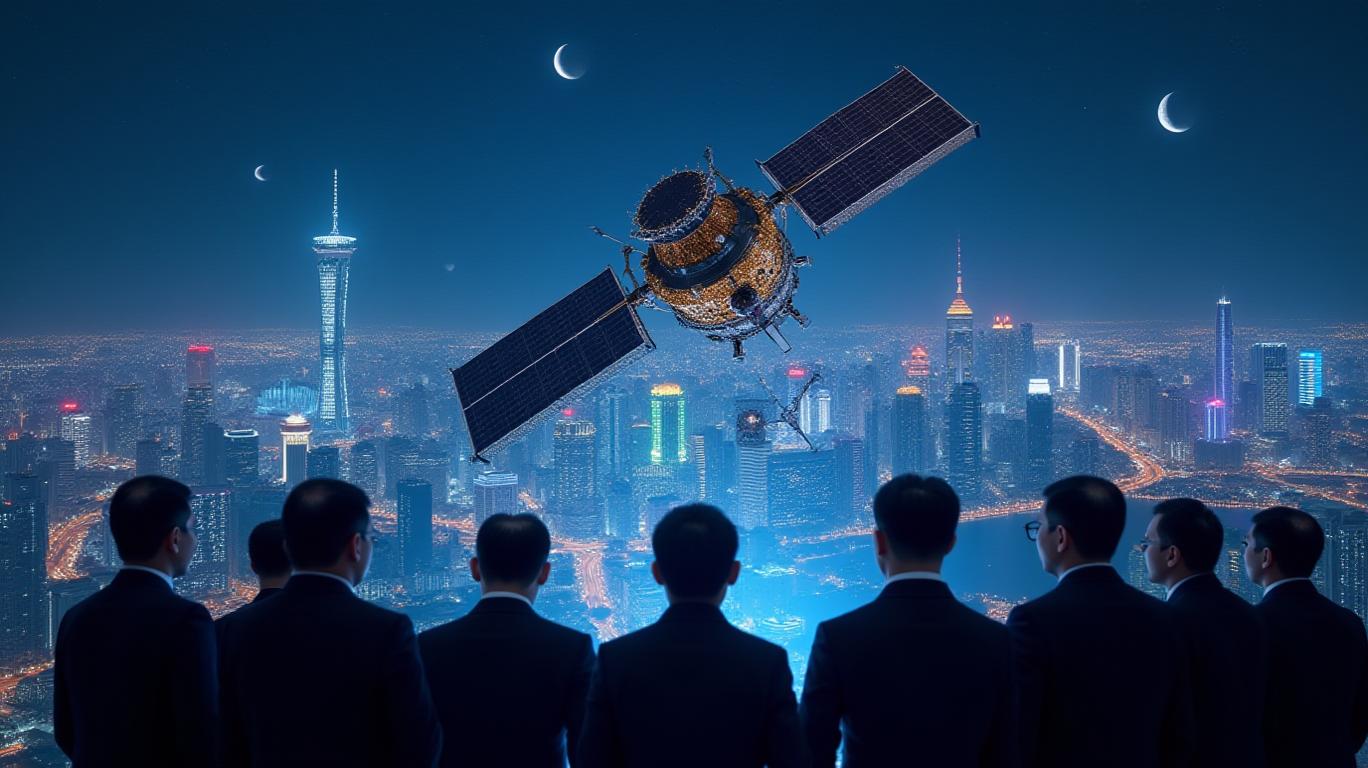
China sees potential in regions like China itself, Russia, Afghanistan, Syria, and large parts of Africa, which are not yet covered by Starlink. These regions align with China's geopolitical goals, as they can be attractive markets for a Starlink-like competitor and may be open to a Chinese service. Additionally, China's existing investments in 4G infrastructure in Africa through Huawei could further facilitate the integration of space-based internet services.
However, China faces several challenges in its quest to catch up to Starlink. SpaceX's Starlink already has nearly 7,000 operational satellites in orbit and serves around 5 million customers in more than 100 countries. China's satellite internet constellations are still in the early stages of development, and it remains to be seen whether they can match Starlink's global reach and technological advancements.
Moreover, the competition in the satellite internet market is fierce. European-based Eutelsat OneWeb has also launched more than 630 low Earth orbit (LEO) internet satellites, and Amazon has plans for a large LEO constellation called Project Kuiper, made up of more than 3,000 satellites. With so much competition, China will need to demonstrate the unique value proposition of its satellite internet services to attract customers and secure market share.
In conclusion, China's satellite megaprojects present a significant challenge to Elon Musk's Starlink. As China seeks to establish its own constellations and assert geopolitical influence, the global satellite internet market is poised for intense competition. While China faces several challenges in catching up to Starlink, its ambitious plans and significant investments in the space industry could reshape the market and geopolitical landscape in the years to come. Investors should closely monitor the progress of these projects and assess the potential opportunities and risks they present.
In the rapidly evolving space industry, China is making significant strides with its ambitious satellite megaprojects, directly challenging Elon Musk's Starlink. As the global demand for satellite internet services grows, China's efforts to establish its own constellations could reshape the market and geopolitical landscape. Let's delve into the potential and challenges of these projects.
China's satellite megaprojects, such as Qianfan, Guo Wang, and Honghu-3, aim to provide global internet access, secure finite orbital slots, and enhance national internet coverage and data security. With around 38,000 satellites planned across these projects, China seeks to challenge U.S. projects like Starlink. The Chinese government's push for these constellations can be seen as a response to Starlink's potential to provide uncensored content to its citizens and allied countries, which could pierce through China's censorship regime. By offering an alternative, China can maintain control over its citizens' internet access and assert geopolitical influence.
China sees potential in regions like China itself, Russia, Afghanistan, Syria, and large parts of Africa, which are not yet covered by Starlink. These regions align with China's geopolitical goals, as they can be attractive markets for a Starlink-like competitor and may be open to a Chinese service. Additionally, China's existing investments in 4G infrastructure in Africa through Huawei could further facilitate the integration of space-based internet services.
However, China faces several challenges in its quest to catch up to Starlink. SpaceX's Starlink already has nearly 7,000 operational satellites in orbit and serves around 5 million customers in more than 100 countries. China's satellite internet constellations are still in the early stages of development, and it remains to be seen whether they can match Starlink's global reach and technological advancements.
Moreover, the competition in the satellite internet market is fierce. European-based Eutelsat OneWeb has also launched more than 630 low Earth orbit (LEO) internet satellites, and Amazon has plans for a large LEO constellation called Project Kuiper, made up of more than 3,000 satellites. With so much competition, China will need to demonstrate the unique value proposition of its satellite internet services to attract customers and secure market share.
In conclusion, China's satellite megaprojects present a significant challenge to Elon Musk's Starlink. As China seeks to establish its own constellations and assert geopolitical influence, the global satellite internet market is poised for intense competition. While China faces several challenges in catching up to Starlink, its ambitious plans and significant investments in the space industry could reshape the market and geopolitical landscape in the years to come. Investors should closely monitor the progress of these projects and assess the potential opportunities and risks they present.

Divulgación editorial y transparencia de la IA: Ainvest News utiliza tecnología avanzada de Modelos de Lenguaje Largo (LLM) para sintetizar y analizar datos de mercado en tiempo real. Para garantizar los más altos estándares de integridad, cada artículo se somete a un riguroso proceso de verificación con participación humana.
Mientras la IA asiste en el procesamiento de datos y la redacción inicial, un miembro editorial profesional de Ainvest revisa, verifica y aprueba de forma independiente todo el contenido para garantizar su precisión y cumplimiento con los estándares editoriales de Ainvest Fintech Inc. Esta supervisión humana está diseñada para mitigar las alucinaciones de la IA y garantizar el contexto financiero.
Advertencia sobre inversiones: Este contenido se proporciona únicamente con fines informativos y no constituye asesoramiento profesional de inversión, legal o financiero. Los mercados conllevan riesgos inherentes. Se recomienda a los usuarios que realicen una investigación independiente o consulten a un asesor financiero certificado antes de tomar cualquier decisión. Ainvest Fintech Inc. se exime de toda responsabilidad por las acciones tomadas con base en esta información. ¿Encontró un error? Reportar un problema


SOBRE NOSOTROS
Nuestra historiaAutores de noticiasBase de conocimientosPolítica de privacidadTérmino de usoDescargo de responsabilidad de corretaje de tercerosTérminos de uso de AIMEDivulgaciones de riesgos de AInvest AICarrerasCONTÁCTENOS
Email: support@ainvest.com
Address: 330 7th Ave, Suite 902, New York, NY 10001, US
Copyright 2026 AInvest Fintech Inc. All rights reserved.


Comentarios
Aún no hay comentarios