
China's Retaliation: Navigating US Chip Curbs
Generado por agente de IAEli Grant
martes, 3 de diciembre de 2024, 2:42 am ET1 min de lectura
TSM--
The US has recently imposed new export controls on China's semiconductor industry, sparking concerns about potential retaliation from Beijing. China, which is a major player in the global semiconductor market, could respond in several ways to mitigate the impact of these restrictions. This article explores the potential retaliatory measures that China might take and their implications for the global semiconductor industry.
China's response to US chip curbs could involve a mix of strategic and economic actions. One possible retaliatory measure is restricting exports of critical minerals and rare earth metals used in semiconductor manufacturing. China is the world's largest producer of these materials, and limiting their supply could disrupt global supply chains and increase production costs for US-based companies.
Another potential retaliation is impeding US companies' access to the Chinese market. China could impose tighter regulations and increased scrutiny on US companies operating in the country, potentially leading to reduced market share and profits. Additionally, China could enhance its domestic chip production through increased investment and technological development, further reducing its reliance on imported components.
Strengthening strategic partnerships with other countries is another avenue China could explore. By fostering alliances with nations like South Korea, Japan, and the Netherlands, China could secure access to crucial chipmaking equipment and technology, bypassing US restrictions. This could also encourage other countries to join China in challenging US dominance in semiconductor technology.
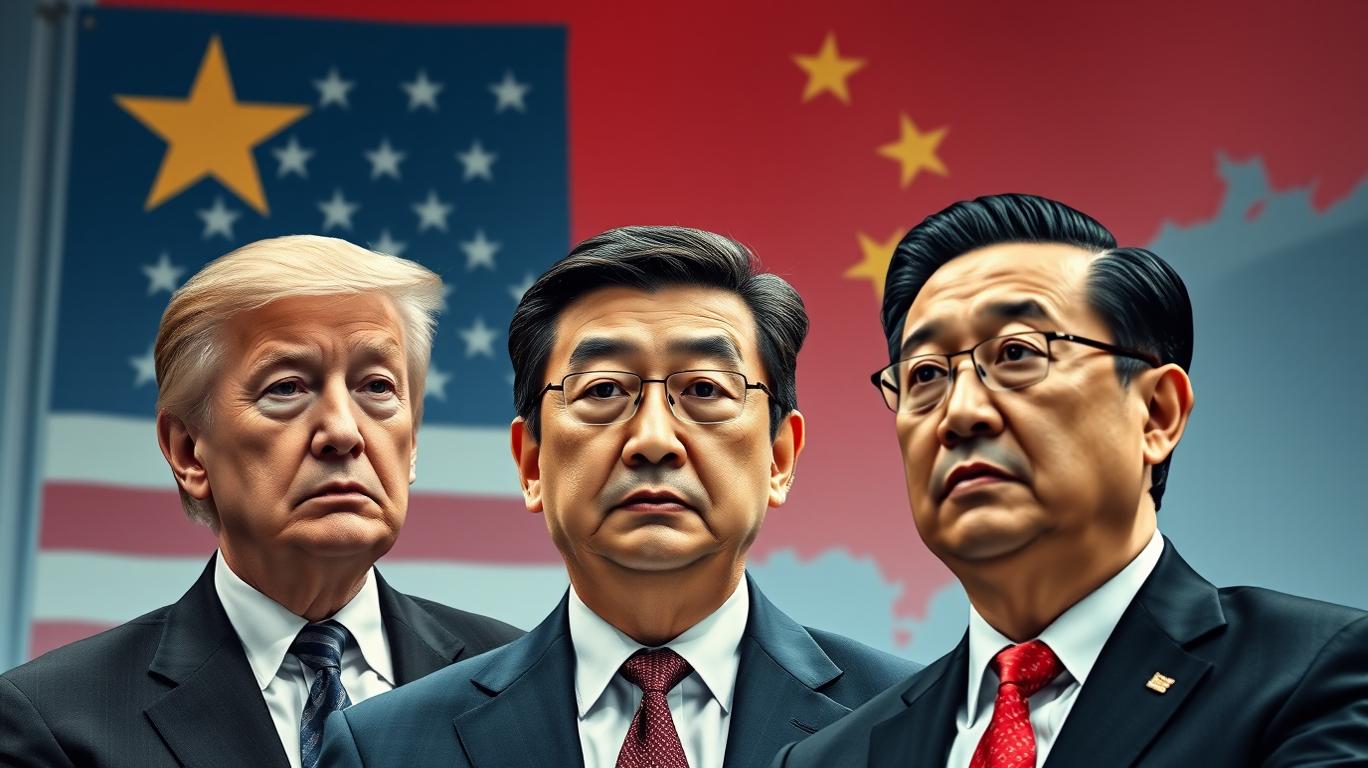
The impact of Chinese retaliation on the global semiconductor industry could be significant. Disruptions to supply chains and increased production costs could strain the industry's competitiveness and encourage other countries to develop alternative semiconductor supply chains. Additionally, the expansion of the foreign direct product rule could limit exports from allies like Japan and the Netherlands to China, affecting their respective markets.
The geopolitical landscape could also be influenced by China's retaliatory actions. Restricting US companies' access to the Chinese market could force them to reassess their global strategies, potentially leading to a further divide between the US and its allies. This could prompt countries like Japan and the Netherlands to consider alternative partnerships or even retaliatory measures, further reshaping the global semiconductor landscape.
In conclusion, China's potential retaliation against new US chip curbs could significantly impact the global semiconductor industry and the geopolitical landscape. By pursuing strategic partnerships, enhancing domestic production, and restricting exports of critical materials, China could mitigate the impact of US export controls and maintain its technological advancements in the semiconductor sector. As the world braces for potential fallout from US-China tensions in the semiconductor sector, a balanced and analytical approach to investing remains crucial for navigating the ever-evolving market dynamics.
The US has recently imposed new export controls on China's semiconductor industry, sparking concerns about potential retaliation from Beijing. China, which is a major player in the global semiconductor market, could respond in several ways to mitigate the impact of these restrictions. This article explores the potential retaliatory measures that China might take and their implications for the global semiconductor industry.
China's response to US chip curbs could involve a mix of strategic and economic actions. One possible retaliatory measure is restricting exports of critical minerals and rare earth metals used in semiconductor manufacturing. China is the world's largest producer of these materials, and limiting their supply could disrupt global supply chains and increase production costs for US-based companies.
Another potential retaliation is impeding US companies' access to the Chinese market. China could impose tighter regulations and increased scrutiny on US companies operating in the country, potentially leading to reduced market share and profits. Additionally, China could enhance its domestic chip production through increased investment and technological development, further reducing its reliance on imported components.
Strengthening strategic partnerships with other countries is another avenue China could explore. By fostering alliances with nations like South Korea, Japan, and the Netherlands, China could secure access to crucial chipmaking equipment and technology, bypassing US restrictions. This could also encourage other countries to join China in challenging US dominance in semiconductor technology.
The impact of Chinese retaliation on the global semiconductor industry could be significant. Disruptions to supply chains and increased production costs could strain the industry's competitiveness and encourage other countries to develop alternative semiconductor supply chains. Additionally, the expansion of the foreign direct product rule could limit exports from allies like Japan and the Netherlands to China, affecting their respective markets.
The geopolitical landscape could also be influenced by China's retaliatory actions. Restricting US companies' access to the Chinese market could force them to reassess their global strategies, potentially leading to a further divide between the US and its allies. This could prompt countries like Japan and the Netherlands to consider alternative partnerships or even retaliatory measures, further reshaping the global semiconductor landscape.
In conclusion, China's potential retaliation against new US chip curbs could significantly impact the global semiconductor industry and the geopolitical landscape. By pursuing strategic partnerships, enhancing domestic production, and restricting exports of critical materials, China could mitigate the impact of US export controls and maintain its technological advancements in the semiconductor sector. As the world braces for potential fallout from US-China tensions in the semiconductor sector, a balanced and analytical approach to investing remains crucial for navigating the ever-evolving market dynamics.

Divulgación editorial y transparencia de la IA: Ainvest News utiliza tecnología avanzada de Modelos de Lenguaje Largo (LLM) para sintetizar y analizar datos de mercado en tiempo real. Para garantizar los más altos estándares de integridad, cada artículo se somete a un riguroso proceso de verificación con participación humana.
Mientras la IA asiste en el procesamiento de datos y la redacción inicial, un miembro editorial profesional de Ainvest revisa, verifica y aprueba de forma independiente todo el contenido para garantizar su precisión y cumplimiento con los estándares editoriales de Ainvest Fintech Inc. Esta supervisión humana está diseñada para mitigar las alucinaciones de la IA y garantizar el contexto financiero.
Advertencia sobre inversiones: Este contenido se proporciona únicamente con fines informativos y no constituye asesoramiento profesional de inversión, legal o financiero. Los mercados conllevan riesgos inherentes. Se recomienda a los usuarios que realicen una investigación independiente o consulten a un asesor financiero certificado antes de tomar cualquier decisión. Ainvest Fintech Inc. se exime de toda responsabilidad por las acciones tomadas con base en esta información. ¿Encontró un error? Reportar un problema


SOBRE NOSOTROS
Nuestra historiaAutores de noticiasBase de conocimientosPolítica de privacidadTérmino de usoDescargo de responsabilidad de corretaje de tercerosTérminos de uso de AIMEDivulgaciones de riesgos de AInvest AICarrerasCONTÁCTENOS
Email: support@ainvest.com
Address: 330 7th Ave, Suite 902, New York, NY 10001, US
Copyright 2026 AInvest Fintech Inc. All rights reserved.


Comentarios
Aún no hay comentarios