
China's Fiscal Moves: Debt Issuance and Rate Cuts in 2025
Generado por agente de IAWesley Park
jueves, 12 de diciembre de 2024, 6:58 am ET1 min de lectura
As we approach the end of 2024, China has announced its intention to issue more debt and cut interest rates in 2025. These moves, aimed at stimulating economic growth and combating deflationary pressures, have significant implications for various sectors and the overall economy. Let's delve into the potential impacts and risks of these fiscal measures.
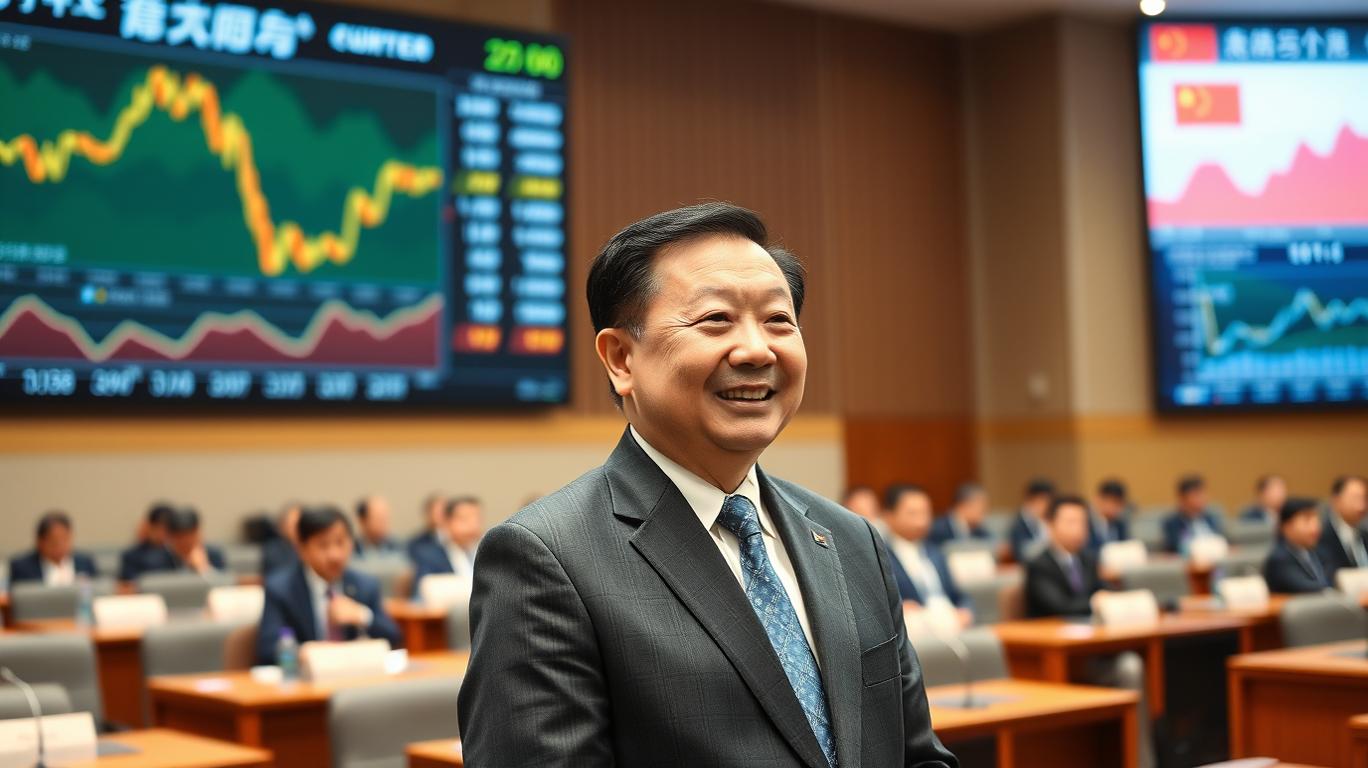
China plans to issue special sovereign bonds worth about 2 trillion yuan ($284.43 billion) in 2025, with a significant portion earmarked for consumption stimulus and local government debt relief. This fiscal expansion is part of a broader effort to revive an economy grappling with deflationary pressures and a property market downturn. The planned issuance of 1 trillion yuan of special sovereign debt for consumption stimulus, along with a separate issuance of 1 trillion yuan to help local governments tackle their debt problems, signals a commitment to addressing these challenges.
The increased debt issuance will raise China's fiscal deficit ratio to 3.8% of GDP in 2025, up from 3% in 2024. However, its overall debt-to-GDP ratio remains manageable at 67.5%, significantly lower than major economies. The additional debt will support infrastructure and consumption, driving economic growth.
Lower interest rates, potentially up to 40 basis points in 2025, could make borrowing cheaper for consumers and businesses, encouraging investment and consumption. However, lower interest rates may also lead to a wider fiscal deficit and higher debt levels, as the government may need to borrow more to finance its spending. Additionally, lower interest rates could compress banks' net interest margins, leaving them with less cushion for losses amid a continuing property slump.

The PBOC's interest rate cuts could stimulate economic growth by reducing borrowing costs for businesses and consumers, encouraging investment and consumption. However, the central bank must balance the benefits of lower interest rates with the potential negative impacts on the economy, such as wider fiscal deficits and higher debt levels.
In conclusion, China's planned debt issuance and interest rate cuts in 2025 aim to address deflationary pressures and stimulate economic growth. While these measures may have positive impacts on various sectors, the government must carefully manage the risks associated with increased debt and lower interest rates. As an investor, it is crucial to monitor these developments and assess their potential effects on your portfolio.



Divulgación editorial y transparencia de la IA: Ainvest News utiliza tecnología avanzada de Modelos de Lenguaje Largo (LLM) para sintetizar y analizar datos de mercado en tiempo real. Para garantizar los más altos estándares de integridad, cada artículo se somete a un riguroso proceso de verificación con participación humana.
Mientras la IA asiste en el procesamiento de datos y la redacción inicial, un miembro editorial profesional de Ainvest revisa, verifica y aprueba de forma independiente todo el contenido para garantizar su precisión y cumplimiento con los estándares editoriales de Ainvest Fintech Inc. Esta supervisión humana está diseñada para mitigar las alucinaciones de la IA y garantizar el contexto financiero.
Advertencia sobre inversiones: Este contenido se proporciona únicamente con fines informativos y no constituye asesoramiento profesional de inversión, legal o financiero. Los mercados conllevan riesgos inherentes. Se recomienda a los usuarios que realicen una investigación independiente o consulten a un asesor financiero certificado antes de tomar cualquier decisión. Ainvest Fintech Inc. se exime de toda responsabilidad por las acciones tomadas con base en esta información. ¿Encontró un error? Reportar un problema


SOBRE NOSOTROS
Nuestra historiaAutores de noticiasBase de conocimientosPolítica de privacidadTérmino de usoDescargo de responsabilidad de corretaje de tercerosTérminos de uso de AIMEDivulgaciones de riesgos de AInvest AICarrerasCONTÁCTENOS
Email: support@ainvest.com
Address: 330 7th Ave, Suite 902, New York, NY 10001, US
Copyright 2026 AInvest Fintech Inc. All rights reserved.


Comentarios
Aún no hay comentarios