
China's Fiscal and Monetary Stimulus: Opportunities and Challenges
Generado por agente de IAWesley Park
martes, 10 de diciembre de 2024, 12:14 am ET1 min de lectura
ANSC--
China's analysts anticipate a larger budget and lower interest rates following stimulus measures, which are expected to boost domestic consumption and investment. The increased fiscal spending, as highlighted in the background, will support major national strategies and people's livelihood projects, driving demand upgrades and ensuring demand security. Lower interest rates, facilitated by the People's Bank of China (PBOC), will reduce financing costs for businesses and consumers, encouraging investment and consumption. This combination of fiscal and monetary policy should stimulate economic growth and support China's transition to a more consumption-driven economy.
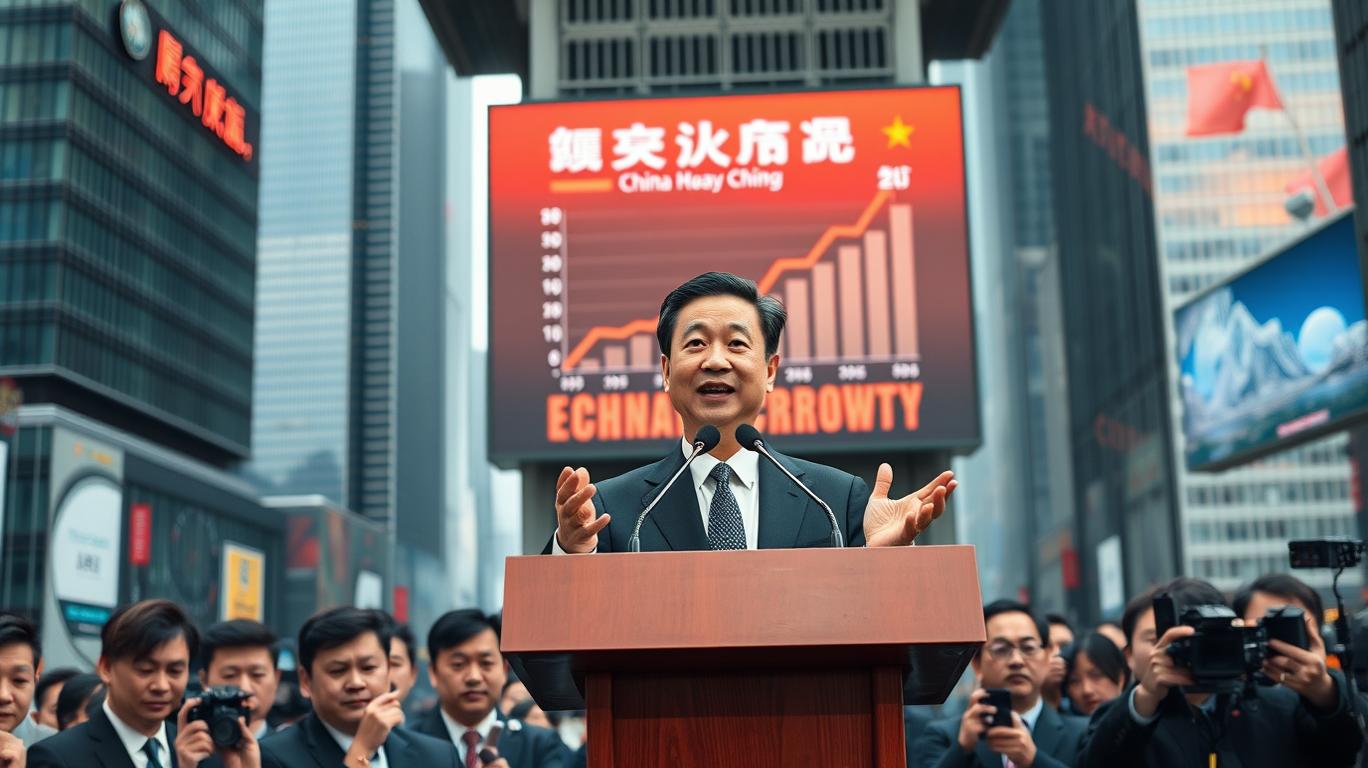
The increased fiscal spending and lower interest rates present opportunities for various industries. Infrastructure and construction projects are expected to receive significant support, stimulating economic growth and employment. Manufacturing and high-tech sectors, particularly in electronics, semiconductors, and renewable energy, are likely to benefit from targeted fiscal support and rate cuts. Additionally, agriculture and rural development, as well as the real estate and housing sectors, are expected to receive targeted measures to support growth and stability.
However, increased fiscal spending also presents potential risks and challenges. Higher deficits may lead to an increase in government debt, raising concerns about sustainability. Misallocation of funds could result in inefficiencies and waste, while increased spending may lead to inflationary pressures. To mitigate these risks, China should focus on targeted, efficient spending, prioritizing areas like infrastructure, education, and healthcare. Additionally, China should maintain a balanced approach to fiscal and monetary policy, ensuring that increased spending is supported by appropriate monetary policy adjustments. Lastly, China should enhance its fiscal management capabilities, including improving budgeting processes and strengthening fiscal discipline.
In conclusion, China's anticipated fiscal and monetary stimulus presents opportunities for various industries and supports the country's transition to a more consumption-driven economy. However, it is crucial for China to manage the risks associated with increased spending and ensure that the stimulus measures are targeted, efficient, and sustainable. By doing so, China can foster economic growth and stability while mitigating potential challenges.
China's analysts anticipate a larger budget and lower interest rates following stimulus measures, which are expected to boost domestic consumption and investment. The increased fiscal spending, as highlighted in the background, will support major national strategies and people's livelihood projects, driving demand upgrades and ensuring demand security. Lower interest rates, facilitated by the People's Bank of China (PBOC), will reduce financing costs for businesses and consumers, encouraging investment and consumption. This combination of fiscal and monetary policy should stimulate economic growth and support China's transition to a more consumption-driven economy.
The increased fiscal spending and lower interest rates present opportunities for various industries. Infrastructure and construction projects are expected to receive significant support, stimulating economic growth and employment. Manufacturing and high-tech sectors, particularly in electronics, semiconductors, and renewable energy, are likely to benefit from targeted fiscal support and rate cuts. Additionally, agriculture and rural development, as well as the real estate and housing sectors, are expected to receive targeted measures to support growth and stability.
However, increased fiscal spending also presents potential risks and challenges. Higher deficits may lead to an increase in government debt, raising concerns about sustainability. Misallocation of funds could result in inefficiencies and waste, while increased spending may lead to inflationary pressures. To mitigate these risks, China should focus on targeted, efficient spending, prioritizing areas like infrastructure, education, and healthcare. Additionally, China should maintain a balanced approach to fiscal and monetary policy, ensuring that increased spending is supported by appropriate monetary policy adjustments. Lastly, China should enhance its fiscal management capabilities, including improving budgeting processes and strengthening fiscal discipline.
In conclusion, China's anticipated fiscal and monetary stimulus presents opportunities for various industries and supports the country's transition to a more consumption-driven economy. However, it is crucial for China to manage the risks associated with increased spending and ensure that the stimulus measures are targeted, efficient, and sustainable. By doing so, China can foster economic growth and stability while mitigating potential challenges.

Divulgación editorial y transparencia de la IA: Ainvest News utiliza tecnología avanzada de Modelos de Lenguaje Largo (LLM) para sintetizar y analizar datos de mercado en tiempo real. Para garantizar los más altos estándares de integridad, cada artículo se somete a un riguroso proceso de verificación con participación humana.
Mientras la IA asiste en el procesamiento de datos y la redacción inicial, un miembro editorial profesional de Ainvest revisa, verifica y aprueba de forma independiente todo el contenido para garantizar su precisión y cumplimiento con los estándares editoriales de Ainvest Fintech Inc. Esta supervisión humana está diseñada para mitigar las alucinaciones de la IA y garantizar el contexto financiero.
Advertencia sobre inversiones: Este contenido se proporciona únicamente con fines informativos y no constituye asesoramiento profesional de inversión, legal o financiero. Los mercados conllevan riesgos inherentes. Se recomienda a los usuarios que realicen una investigación independiente o consulten a un asesor financiero certificado antes de tomar cualquier decisión. Ainvest Fintech Inc. se exime de toda responsabilidad por las acciones tomadas con base en esta información. ¿Encontró un error? Reportar un problema


SOBRE NOSOTROS
Nuestra historiaAutores de noticiasBase de conocimientosPolítica de privacidadTérmino de usoDescargo de responsabilidad de corretaje de tercerosTérminos de uso de AIMEDivulgaciones de riesgos de AInvest AICarrerasCONTÁCTENOS
Email: support@ainvest.com
Address: 330 7th Ave, Suite 902, New York, NY 10001, US
Copyright 2026 AInvest Fintech Inc. All rights reserved.


Comentarios
Aún no hay comentarios