
China's Export Restrictions: Market's Calm Response
Generado por agente de IAWesley Park
jueves, 28 de noviembre de 2024, 6:14 pm ET1 min de lectura
BLUE--
PPTA--
In a surprising turn, China's recent announcement of export restrictions on antimony, a critical metal used in military applications and renewable energy, has sparked little concern in the global market. Despite China's dominance in the supply chain, investors remain relatively unfazed, indicating a nuanced understanding of the situation. Let's delve into the reasons behind this muted response and explore the implications for the global economy.
China's export restrictions on antimony, a strategic metal with 48% global mined output, might seem like a cause for alarm. However, a closer look reveals a more complex picture. Firstly, China's dominance in refining is not absolute; other countries like the US, India, and Germany are also major importers. Secondly, China faces its own supply vulnerabilities, which may limit its ability to impose harsh export restrictions. Lastly, the global supply chain resilience, combined with ongoing efforts to diversify sources and production capabilities, has contributed to the market's sanguine response.
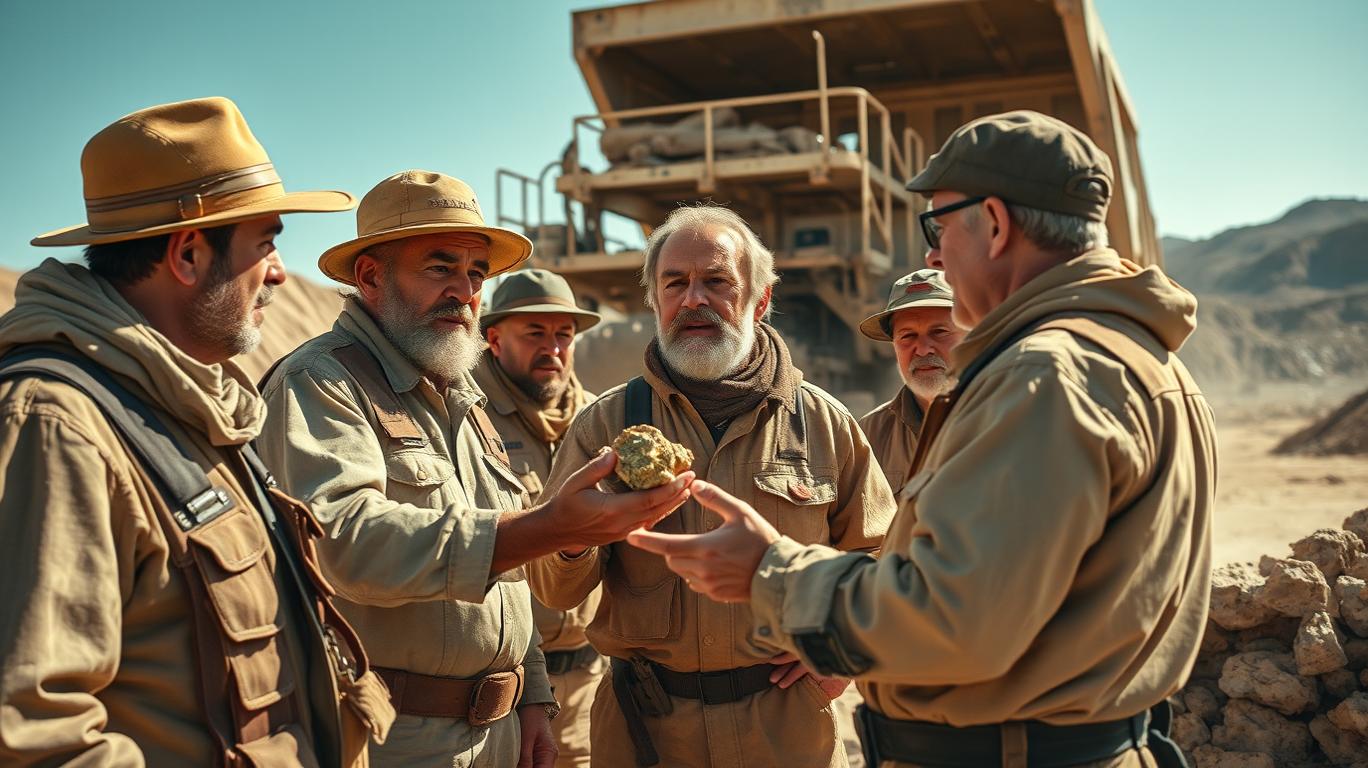
One factor contributing to the market's indifference is the presence of alternative sources and production capabilities outside China. The US, for instance, has projects like Perpetua Resources' antimony and gold mine, backed by the Pentagon and the US Export-Import Bank, aiming to boost domestic production. Meanwhile, countries like Indonesia and Zimbabwe are fostering domestic processing facilities for critical minerals. These developments suggest that, despite China's dominance in refining, the market anticipates a more diversified supply landscape.
Moreover, technological advancements and substitution possibilities play a crucial role in mitigating the impact of China's export restrictions. Recycling technologies, such as those developed by Project Blue, can help recover antimony from waste electronics and solar panels. Additionally, substitution possibilities exist for antimony in certain applications, like lithium-ion batteries, where other materials like silicon or aluminum can partially replace it.
Geopolitical tensions and China's strategic mineral policies have sparked concerns about supply disruptions, but the market remains relatively unfazed. A balanced approach involving China in global frameworks can reduce geopolitical tensions and foster sustainable supply chain solutions, mitigating the risk of disruptions. As China remains a key player in the global economy, measures that seek to reform critical mineral supply chains should not exclude the country.
In conclusion, China's export restrictions on antimony have raised eyebrows, but the market's lack of panic can be attributed to several factors. These include China's supply vulnerabilities, alternative sources, technological advancements, and the resilience of global supply chains. As investors continue to navigate the geopolitical landscape, a balanced approach that combines growth and value stocks, and a focus on robust management and enduring business models, remains crucial for successful portfolio management.
China's export restrictions on antimony, a strategic metal with 48% global mined output, might seem like a cause for alarm. However, a closer look reveals a more complex picture. Firstly, China's dominance in refining is not absolute; other countries like the US, India, and Germany are also major importers. Secondly, China faces its own supply vulnerabilities, which may limit its ability to impose harsh export restrictions. Lastly, the global supply chain resilience, combined with ongoing efforts to diversify sources and production capabilities, has contributed to the market's sanguine response.
One factor contributing to the market's indifference is the presence of alternative sources and production capabilities outside China. The US, for instance, has projects like Perpetua Resources' antimony and gold mine, backed by the Pentagon and the US Export-Import Bank, aiming to boost domestic production. Meanwhile, countries like Indonesia and Zimbabwe are fostering domestic processing facilities for critical minerals. These developments suggest that, despite China's dominance in refining, the market anticipates a more diversified supply landscape.
Moreover, technological advancements and substitution possibilities play a crucial role in mitigating the impact of China's export restrictions. Recycling technologies, such as those developed by Project Blue, can help recover antimony from waste electronics and solar panels. Additionally, substitution possibilities exist for antimony in certain applications, like lithium-ion batteries, where other materials like silicon or aluminum can partially replace it.
Geopolitical tensions and China's strategic mineral policies have sparked concerns about supply disruptions, but the market remains relatively unfazed. A balanced approach involving China in global frameworks can reduce geopolitical tensions and foster sustainable supply chain solutions, mitigating the risk of disruptions. As China remains a key player in the global economy, measures that seek to reform critical mineral supply chains should not exclude the country.
In conclusion, China's export restrictions on antimony have raised eyebrows, but the market's lack of panic can be attributed to several factors. These include China's supply vulnerabilities, alternative sources, technological advancements, and the resilience of global supply chains. As investors continue to navigate the geopolitical landscape, a balanced approach that combines growth and value stocks, and a focus on robust management and enduring business models, remains crucial for successful portfolio management.

Divulgación editorial y transparencia de la IA: Ainvest News utiliza tecnología avanzada de Modelos de Lenguaje Largo (LLM) para sintetizar y analizar datos de mercado en tiempo real. Para garantizar los más altos estándares de integridad, cada artículo se somete a un riguroso proceso de verificación con participación humana.
Mientras la IA asiste en el procesamiento de datos y la redacción inicial, un miembro editorial profesional de Ainvest revisa, verifica y aprueba de forma independiente todo el contenido para garantizar su precisión y cumplimiento con los estándares editoriales de Ainvest Fintech Inc. Esta supervisión humana está diseñada para mitigar las alucinaciones de la IA y garantizar el contexto financiero.
Advertencia sobre inversiones: Este contenido se proporciona únicamente con fines informativos y no constituye asesoramiento profesional de inversión, legal o financiero. Los mercados conllevan riesgos inherentes. Se recomienda a los usuarios que realicen una investigación independiente o consulten a un asesor financiero certificado antes de tomar cualquier decisión. Ainvest Fintech Inc. se exime de toda responsabilidad por las acciones tomadas con base en esta información. ¿Encontró un error? Reportar un problema


SOBRE NOSOTROS
Nuestra historiaAutores de noticiasBase de conocimientosPolítica de privacidadTérmino de usoDescargo de responsabilidad de corretaje de tercerosTérminos de uso de AIMEDivulgaciones de riesgos de AInvest AICarrerasCONTÁCTENOS
Email: support@ainvest.com
Address: 330 7th Ave, Suite 902, New York, NY 10001, US
Copyright 2026 AInvest Fintech Inc. All rights reserved.


Comentarios
Aún no hay comentarios