
China's Debt Surge: A Strategic Response to Trump's Tariffs
Generado por agente de IAEli Grant
martes, 10 de diciembre de 2024, 2:50 am ET1 min de lectura
China's response to President Trump's threatened tariffs has been swift and decisive, with the country signaling its readiness to deploy significant stimulus measures to counter the expected economic impact. In a rare display of policy flexibility, the Communist Party's Politburo announced a shift to an "appropriately loose" monetary policy stance and "more proactive" fiscal levers, marking a departure from the "prudent" approach that has been in place for over a decade.
The decision to embrace a more expansionary fiscal policy comes as China grapples with the prospect of a significant increase in U.S. tariffs, which could reach as high as 60% on Chinese imports. The Politburo's statement, released following a meeting of top Communist Party officials, highlights the determination of Chinese leaders to prioritize economic growth over financial risks in the short term.
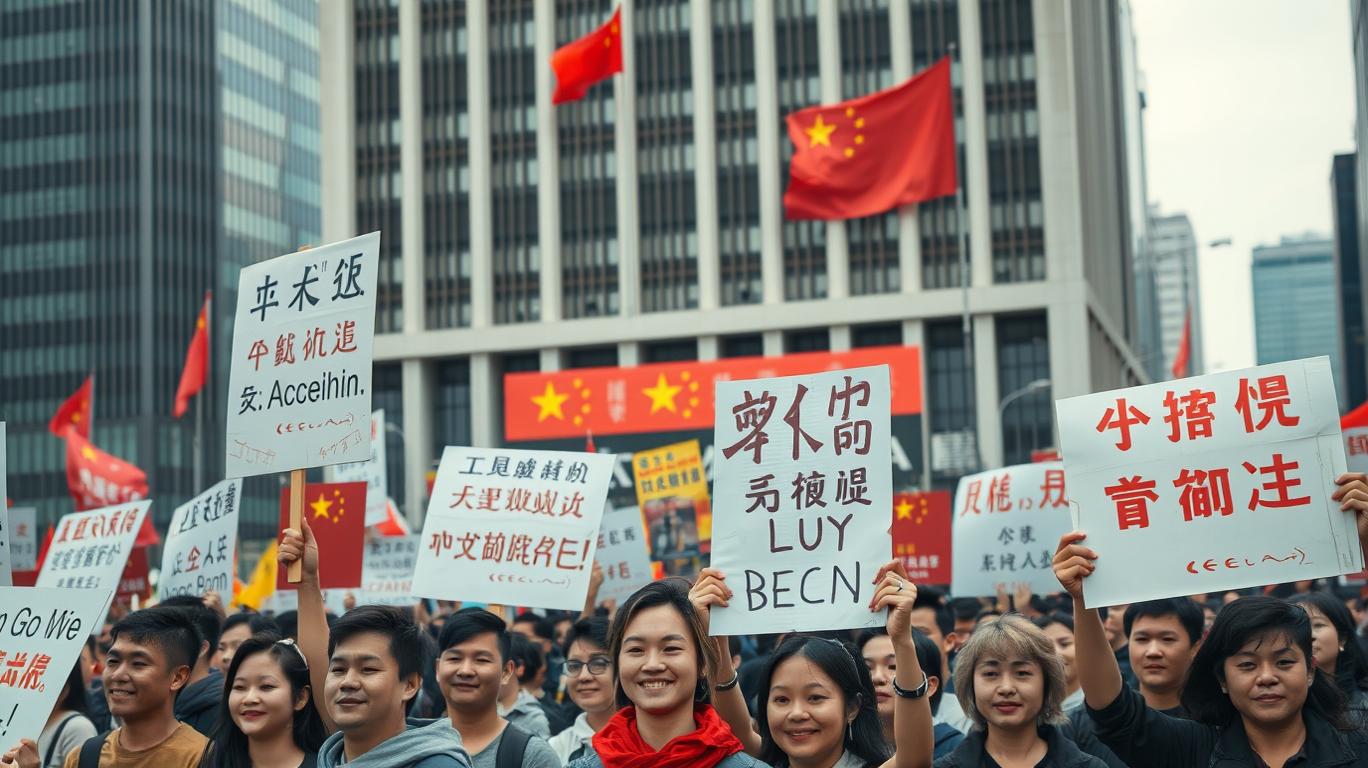
The shift in policy stance is likely to involve a significant increase in government spending and debt issuance, as China seeks to offset the impact of the expected tariffs on its economy. While the exact magnitude of the stimulus package remains uncertain, analysts suggest that it could be substantial, with a one percentage point increase in the budget deficit amounting to additional stimulus of about 1.3 trillion yuan ($179.4 billion).
The increased debt burden is expected to have both risks and benefits for China. On the positive side, the stimulus package could help boost domestic demand, reduce the impact of tariffs on exports, and potentially stimulate economic growth. However, it also raises concerns about increased debt levels, potential asset bubbles, and moral hazard.
To mitigate these risks, China must prioritize structural reforms, enhance debt management, and foster sustainable growth. The country's vast foreign exchange reserves and strong domestic savings rate can help mitigate the risks associated with increased borrowing costs. However, China must also be mindful of the potential spillover effects of its debt-fueled stimulus on global financial markets and emerging economies.
In conclusion, China's decision to embrace a more expansionary fiscal policy in response to Trump's tariffs is a strategic move aimed at protecting its economic growth and maintaining its competitive edge. While the increased debt burden presents both risks and benefits, China must remain vigilant in managing its debt levels and fostering sustainable growth to ensure long-term economic stability.



Divulgación editorial y transparencia de la IA: Ainvest News utiliza tecnología avanzada de Modelos de Lenguaje Largo (LLM) para sintetizar y analizar datos de mercado en tiempo real. Para garantizar los más altos estándares de integridad, cada artículo se somete a un riguroso proceso de verificación con participación humana.
Mientras la IA asiste en el procesamiento de datos y la redacción inicial, un miembro editorial profesional de Ainvest revisa, verifica y aprueba de forma independiente todo el contenido para garantizar su precisión y cumplimiento con los estándares editoriales de Ainvest Fintech Inc. Esta supervisión humana está diseñada para mitigar las alucinaciones de la IA y garantizar el contexto financiero.
Advertencia sobre inversiones: Este contenido se proporciona únicamente con fines informativos y no constituye asesoramiento profesional de inversión, legal o financiero. Los mercados conllevan riesgos inherentes. Se recomienda a los usuarios que realicen una investigación independiente o consulten a un asesor financiero certificado antes de tomar cualquier decisión. Ainvest Fintech Inc. se exime de toda responsabilidad por las acciones tomadas con base en esta información. ¿Encontró un error? Reportar un problema


SOBRE NOSOTROS
Nuestra historiaAutores de noticiasBase de conocimientosPolítica de privacidadTérmino de usoDescargo de responsabilidad de corretaje de tercerosTérminos de uso de AIMEDivulgaciones de riesgos de AInvest AICarrerasCONTÁCTENOS
Email: support@ainvest.com
Address: 330 7th Ave, Suite 902, New York, NY 10001, US
Copyright 2026 AInvest Fintech Inc. All rights reserved.


Comentarios
Aún no hay comentarios