
China's Cotton Call: Uniqlo and Others Urged to Use Xinjiang Fiber
Generado por agente de IAWesley Park
viernes, 6 de diciembre de 2024, 1:38 am ET1 min de lectura
H--
China's Xinjiang Cotton Association has recently issued a statement urging international brands like Uniqlo to respect and trust cotton from their region, encouraging them to resume its usage. The association emphasizes the high quality of Xinjiang cotton and its significant role in local economic development and employment. This call comes amidst ongoing concerns about forced labor in the region, which has led many international brands to boycott Xinjiang cotton.
Uniqlo, a popular Japanese clothing retailer, has previously stated that it does not use cotton sourced from Xinjiang. However, the association has firmly rejected this claim, urging the brand to reconsider its stance. Uniqlo's decision to avoid Xinjiang cotton could disrupt its supply chain, potentially leading to sourcing challenges and increased costs. In China, the company faces a risk of backlash from consumers and the government, as Xinjiang cotton is considered a symbol of national pride.
Meanwhile, the Chinese Ministry of Foreign Affairs has expressed hope that relevant companies would resist political pressure and undue interference while making independent business decisions aligned with their own interests. The ministry acknowledges the global significance of Xinjiang cotton, which accounted for over 5.11 million tonnes of production in 2023.
Uniqlo's competitors in the fast fashion industry may respond to the company's decision to resume or continue using Xinjiang cotton by either following suit or maintaining their current stance to avoid potential consumer backlash in key markets like the US and Europe. Companies like H&M and Zara have previously faced criticism and boycotts for their association with Xinjiang cotton.
For Uniqlo, the decision to use or avoid Xinjiang cotton presents a complex challenge. While the high-quality cotton could help maintain its competitive pricing and ensure a stable supply, the company must weigh these potential benefits against consumer sentiment and the risks associated with US sanctions and reputational damage. Uniqlo could address human rights and labor concerns by adopting a transparent, audited supply chain and partnering with independent organizations to monitor working conditions.
In conclusion, Uniqlo faces a tough choice between market access and ethical concerns. The company must navigate geopolitical tensions, consumer sentiment, and labor market dynamics to make an informed decision that balances business interests with ethical responsibilities. The future of Xinjiang cotton in Uniqlo's supply chain remains uncertain, as the company evaluates the potential risks and benefits of resuming its usage.
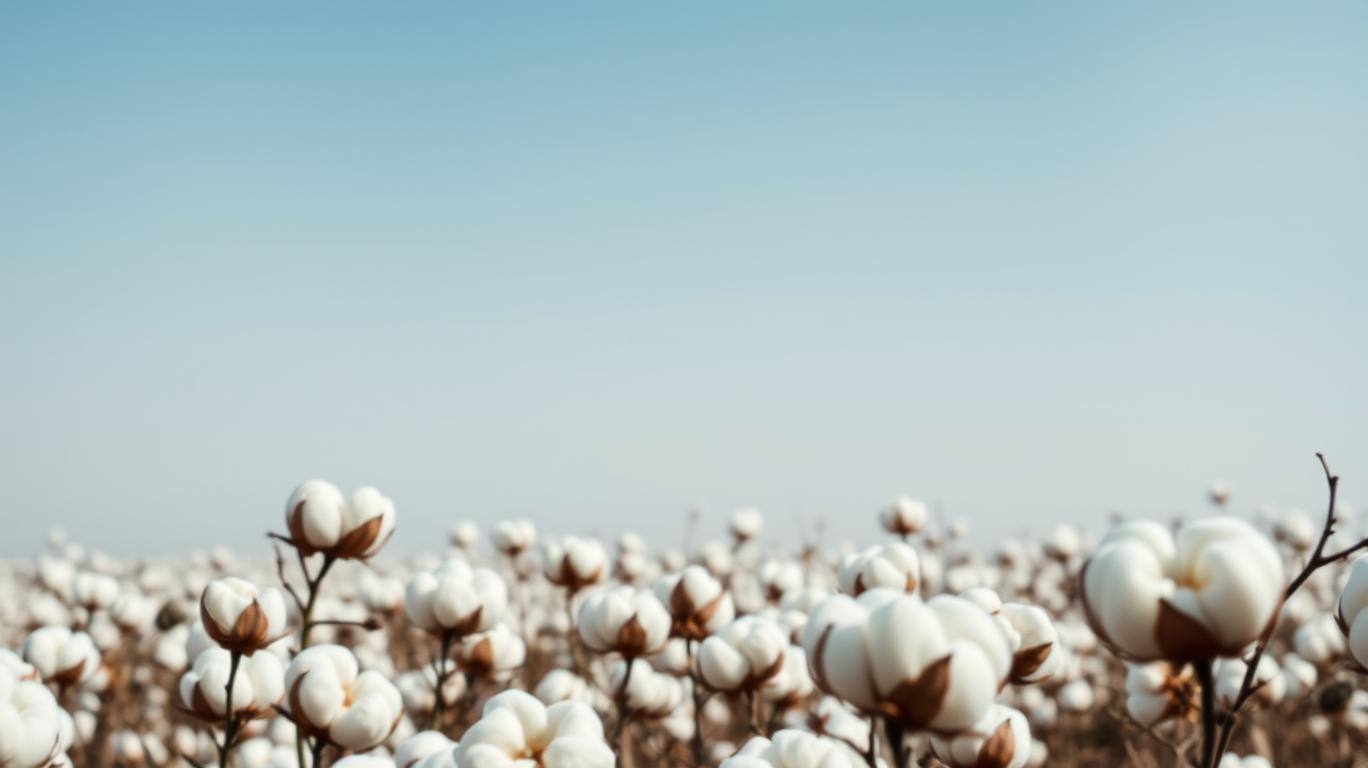
China's Xinjiang Cotton Association has recently issued a statement urging international brands like Uniqlo to respect and trust cotton from their region, encouraging them to resume its usage. The association emphasizes the high quality of Xinjiang cotton and its significant role in local economic development and employment. This call comes amidst ongoing concerns about forced labor in the region, which has led many international brands to boycott Xinjiang cotton.
Uniqlo, a popular Japanese clothing retailer, has previously stated that it does not use cotton sourced from Xinjiang. However, the association has firmly rejected this claim, urging the brand to reconsider its stance. Uniqlo's decision to avoid Xinjiang cotton could disrupt its supply chain, potentially leading to sourcing challenges and increased costs. In China, the company faces a risk of backlash from consumers and the government, as Xinjiang cotton is considered a symbol of national pride.
Meanwhile, the Chinese Ministry of Foreign Affairs has expressed hope that relevant companies would resist political pressure and undue interference while making independent business decisions aligned with their own interests. The ministry acknowledges the global significance of Xinjiang cotton, which accounted for over 5.11 million tonnes of production in 2023.
Uniqlo's competitors in the fast fashion industry may respond to the company's decision to resume or continue using Xinjiang cotton by either following suit or maintaining their current stance to avoid potential consumer backlash in key markets like the US and Europe. Companies like H&M and Zara have previously faced criticism and boycotts for their association with Xinjiang cotton.
For Uniqlo, the decision to use or avoid Xinjiang cotton presents a complex challenge. While the high-quality cotton could help maintain its competitive pricing and ensure a stable supply, the company must weigh these potential benefits against consumer sentiment and the risks associated with US sanctions and reputational damage. Uniqlo could address human rights and labor concerns by adopting a transparent, audited supply chain and partnering with independent organizations to monitor working conditions.
In conclusion, Uniqlo faces a tough choice between market access and ethical concerns. The company must navigate geopolitical tensions, consumer sentiment, and labor market dynamics to make an informed decision that balances business interests with ethical responsibilities. The future of Xinjiang cotton in Uniqlo's supply chain remains uncertain, as the company evaluates the potential risks and benefits of resuming its usage.

Divulgación editorial y transparencia de la IA: Ainvest News utiliza tecnología avanzada de Modelos de Lenguaje Largo (LLM) para sintetizar y analizar datos de mercado en tiempo real. Para garantizar los más altos estándares de integridad, cada artículo se somete a un riguroso proceso de verificación con participación humana.
Mientras la IA asiste en el procesamiento de datos y la redacción inicial, un miembro editorial profesional de Ainvest revisa, verifica y aprueba de forma independiente todo el contenido para garantizar su precisión y cumplimiento con los estándares editoriales de Ainvest Fintech Inc. Esta supervisión humana está diseñada para mitigar las alucinaciones de la IA y garantizar el contexto financiero.
Advertencia sobre inversiones: Este contenido se proporciona únicamente con fines informativos y no constituye asesoramiento profesional de inversión, legal o financiero. Los mercados conllevan riesgos inherentes. Se recomienda a los usuarios que realicen una investigación independiente o consulten a un asesor financiero certificado antes de tomar cualquier decisión. Ainvest Fintech Inc. se exime de toda responsabilidad por las acciones tomadas con base en esta información. ¿Encontró un error? Reportar un problema


SOBRE NOSOTROS
Nuestra historiaAutores de noticiasBase de conocimientosPolítica de privacidadTérmino de usoDescargo de responsabilidad de corretaje de tercerosTérminos de uso de AIMEDivulgaciones de riesgos de AInvest AICarrerasCONTÁCTENOS
Email: support@ainvest.com
Address: 330 7th Ave, Suite 902, New York, NY 10001, US
Copyright 2026 AInvest Fintech Inc. All rights reserved.


Comentarios
Aún no hay comentarios