
China's Retaliatory Tariffs: A Blow to US Companies
Generado por agente de IAWesley Park
martes, 4 de febrero de 2025, 2:02 am ET1 min de lectura
AAPL--

The US-China trade war has taken a new turn as China announced retaliatory tariffs on certain US imports, ranging from 5% to 15%. This move comes in response to President Trump's 10% levy on Chinese goods, further escalating tensions between the two economic superpowers. The new tariffs, set to take effect on September 1, 2025, will target a wide range of US products, including agricultural goods, chemicals, and machinery.
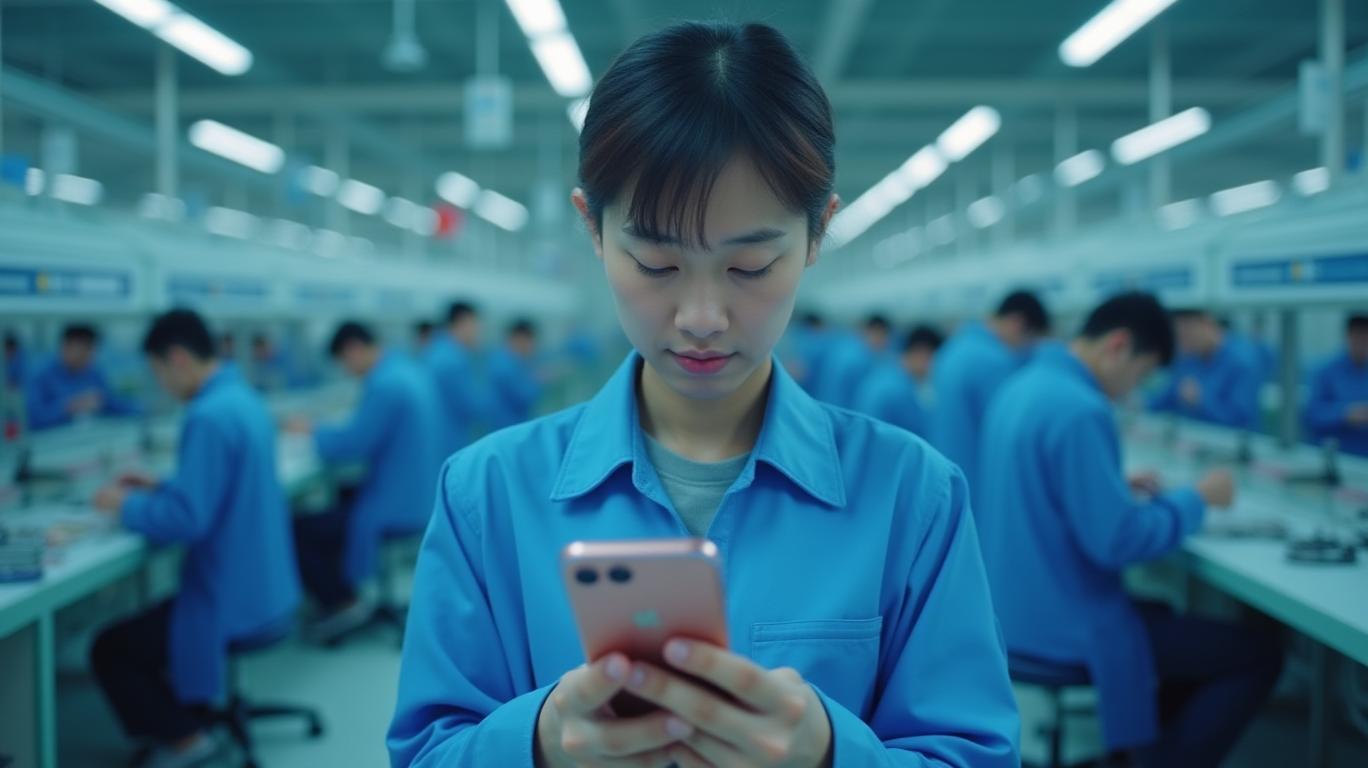
US companies, particularly those heavily reliant on Chinese imports, are likely to feel the brunt of these new tariffs. Increased production costs, supply chain disruptions, and potential retaliation from China could lead to significant losses for these companies. For instance, Apple Inc. (AAPL), which manufactures a significant portion of its iPhones in China, could face higher production costs and potential supply chain issues due to the tariffs.
To mitigate potential losses, US companies could consider the following measures:
1. Diversify supply chains: Companies can reduce their dependence on Chinese imports by sourcing components and materials from other countries. This would help them avoid the tariffs and potential supply chain disruptions.
2. Increase prices: Companies could pass on some of the increased production costs to consumers by raising the prices of their products. However, this could also lead to reduced demand, as consumers may opt for cheaper alternatives.
3. Lobby for exemptions or delays: Companies could work with the US government to seek exemptions or delays for their products from the tariffs. In 2018, Apple successfully lobbied for a delay in the implementation of tariffs on certain Chinese goods, including some of its products.
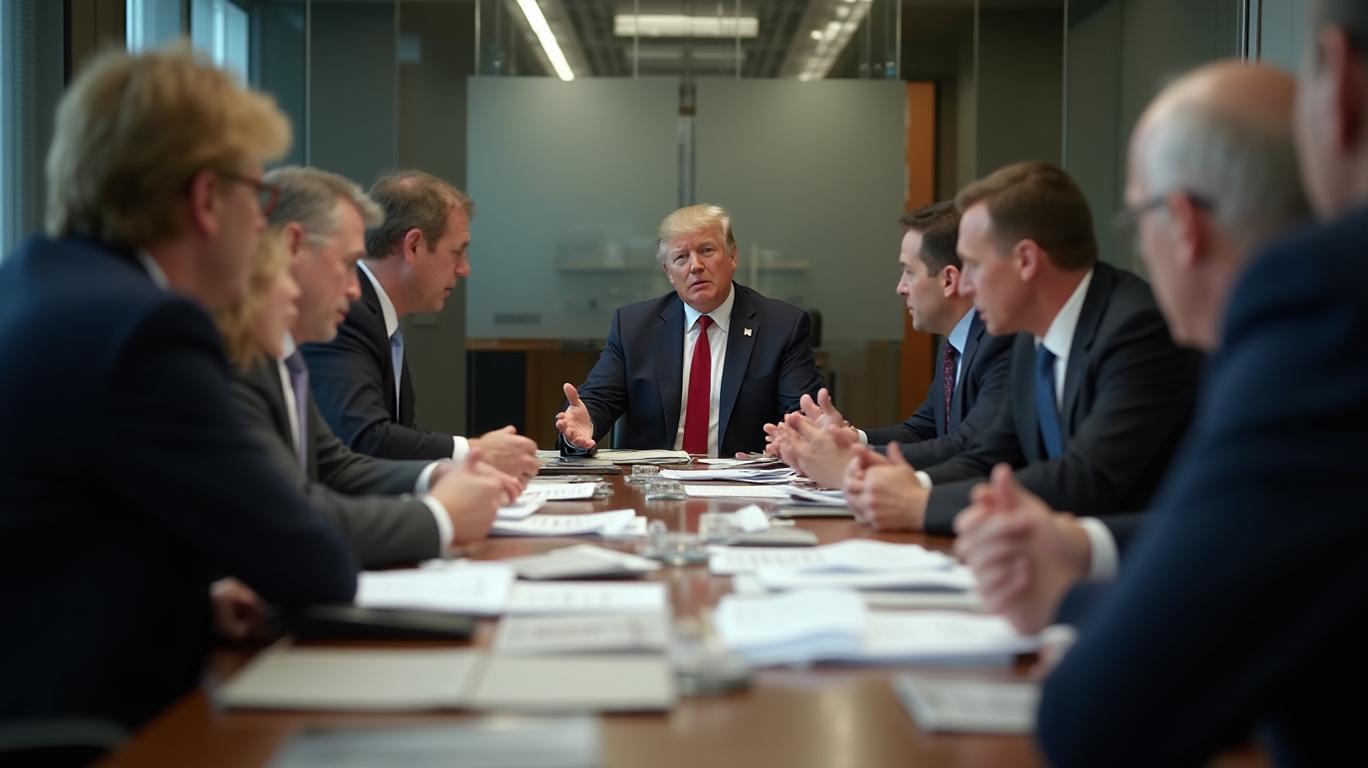
In conclusion, China's retaliatory tariffs on certain US imports are likely to have a significant impact on US companies, particularly those heavily reliant on Chinese imports. To mitigate potential losses, these companies could consider diversifying their supply chains, increasing prices, and lobbying for exemptions or delays. However, these measures may also come with their own challenges and potential drawbacks. As the US-China trade war continues to escalate, companies must remain vigilant and adapt to the changing landscape to protect their bottom lines.
The US-China trade war has taken a new turn as China announced retaliatory tariffs on certain US imports, ranging from 5% to 15%. This move comes in response to President Trump's 10% levy on Chinese goods, further escalating tensions between the two economic superpowers. The new tariffs, set to take effect on September 1, 2025, will target a wide range of US products, including agricultural goods, chemicals, and machinery.
US companies, particularly those heavily reliant on Chinese imports, are likely to feel the brunt of these new tariffs. Increased production costs, supply chain disruptions, and potential retaliation from China could lead to significant losses for these companies. For instance, Apple Inc. (AAPL), which manufactures a significant portion of its iPhones in China, could face higher production costs and potential supply chain issues due to the tariffs.
To mitigate potential losses, US companies could consider the following measures:
1. Diversify supply chains: Companies can reduce their dependence on Chinese imports by sourcing components and materials from other countries. This would help them avoid the tariffs and potential supply chain disruptions.
2. Increase prices: Companies could pass on some of the increased production costs to consumers by raising the prices of their products. However, this could also lead to reduced demand, as consumers may opt for cheaper alternatives.
3. Lobby for exemptions or delays: Companies could work with the US government to seek exemptions or delays for their products from the tariffs. In 2018, Apple successfully lobbied for a delay in the implementation of tariffs on certain Chinese goods, including some of its products.
In conclusion, China's retaliatory tariffs on certain US imports are likely to have a significant impact on US companies, particularly those heavily reliant on Chinese imports. To mitigate potential losses, these companies could consider diversifying their supply chains, increasing prices, and lobbying for exemptions or delays. However, these measures may also come with their own challenges and potential drawbacks. As the US-China trade war continues to escalate, companies must remain vigilant and adapt to the changing landscape to protect their bottom lines.

Divulgación editorial y transparencia de la IA: Ainvest News utiliza tecnología avanzada de Modelos de Lenguaje Largo (LLM) para sintetizar y analizar datos de mercado en tiempo real. Para garantizar los más altos estándares de integridad, cada artículo se somete a un riguroso proceso de verificación con participación humana.
Mientras la IA asiste en el procesamiento de datos y la redacción inicial, un miembro editorial profesional de Ainvest revisa, verifica y aprueba de forma independiente todo el contenido para garantizar su precisión y cumplimiento con los estándares editoriales de Ainvest Fintech Inc. Esta supervisión humana está diseñada para mitigar las alucinaciones de la IA y garantizar el contexto financiero.
Advertencia sobre inversiones: Este contenido se proporciona únicamente con fines informativos y no constituye asesoramiento profesional de inversión, legal o financiero. Los mercados conllevan riesgos inherentes. Se recomienda a los usuarios que realicen una investigación independiente o consulten a un asesor financiero certificado antes de tomar cualquier decisión. Ainvest Fintech Inc. se exime de toda responsabilidad por las acciones tomadas con base en esta información. ¿Encontró un error? Reportar un problema




Comentarios
Aún no hay comentarios