
China Pushes Back Against Bond Frenzy, Sends Futures Sinking
Generado por agente de IAWesley Park
miércoles, 18 de diciembre de 2024, 2:01 am ET1 min de lectura
MFG--
In a surprising turn of events, China has taken steps to rein in its red-hot bond market, sending futures tumbling and investors scrambling. The world's second-largest bond market has been on a tear, with yields plunging to record lows and foreign capital pouring in. But Beijing's latest interventions have raised questions about the sustainability of this rally and the potential long-term impact on investor confidence.
The bond market frenzy in China has been fueled by a combination of factors, including a dovish monetary policy, a steady economic recovery, and the allure of higher yields compared to other major markets. However, the rapid rise in bond prices and the corresponding drop in yields have raised concerns about over-speculation and financial stability risks.
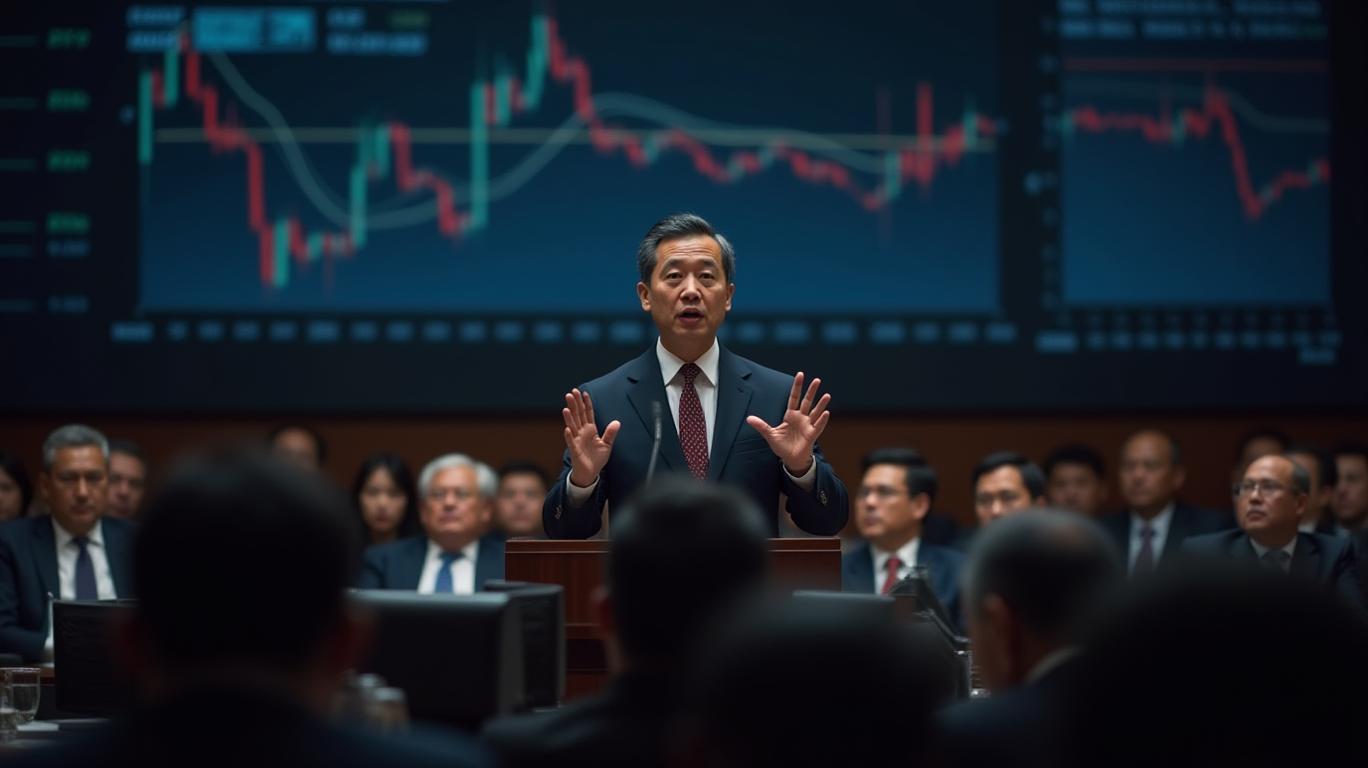
In response to these concerns, Chinese authorities have implemented a series of measures to cool the bond market. These include preventing rural banks from settling recent bond purchases, encouraging brokerages to cut back trading, and tightening regulations on margin financing. The benchmark 10-year yield has since risen from an all-time low of about 2.12% to around 2.25%, indicating that these interventions have had an impact.
However, the long-term implications of these interventions are less clear. While they may have been effective in preventing over-speculation, they could also undermine market transparency and deter international investors. The record outflow of foreign capital in the second quarter suggests that investors may be growing cautious about the Chinese bond market.
Moreover, the effectiveness of these measures in lifting long-term yields remains uncertain. Mizuho Securities Asia Ltd. has warned that assertive monetary and fiscal measures are needed to halt deflation expectations. While the PBOC's concerns about financial risks are valid, the long-term impact of these interventions on bond yields and investor confidence is still up in the air.
Despite these interventions, China's onshore bonds remain attractive to global investors due to their lack of correlation with other markets and the country's economic fundamentals. Pictet Asset Management believes that Chinese government bond investments should be part of diversified portfolios, as they offer low volatility and consistent growth.
In conclusion, China's bond market interventions aim to balance economic growth with financial stability. While these measures have been effective in cooling the market rally and preventing over-speculation, their long-term impact on investor confidence and market transparency remains uncertain. The challenge for Beijing is to support the sluggish economy while ensuring financial stability, without deterring global fixed-income investors from committing funds to Chinese bonds. The bond frenzy may be over for now, but the fallout could take months to clean up, potentially impacting China's ability to tap into global capital markets.
In a surprising turn of events, China has taken steps to rein in its red-hot bond market, sending futures tumbling and investors scrambling. The world's second-largest bond market has been on a tear, with yields plunging to record lows and foreign capital pouring in. But Beijing's latest interventions have raised questions about the sustainability of this rally and the potential long-term impact on investor confidence.
The bond market frenzy in China has been fueled by a combination of factors, including a dovish monetary policy, a steady economic recovery, and the allure of higher yields compared to other major markets. However, the rapid rise in bond prices and the corresponding drop in yields have raised concerns about over-speculation and financial stability risks.
In response to these concerns, Chinese authorities have implemented a series of measures to cool the bond market. These include preventing rural banks from settling recent bond purchases, encouraging brokerages to cut back trading, and tightening regulations on margin financing. The benchmark 10-year yield has since risen from an all-time low of about 2.12% to around 2.25%, indicating that these interventions have had an impact.
However, the long-term implications of these interventions are less clear. While they may have been effective in preventing over-speculation, they could also undermine market transparency and deter international investors. The record outflow of foreign capital in the second quarter suggests that investors may be growing cautious about the Chinese bond market.
Moreover, the effectiveness of these measures in lifting long-term yields remains uncertain. Mizuho Securities Asia Ltd. has warned that assertive monetary and fiscal measures are needed to halt deflation expectations. While the PBOC's concerns about financial risks are valid, the long-term impact of these interventions on bond yields and investor confidence is still up in the air.
Despite these interventions, China's onshore bonds remain attractive to global investors due to their lack of correlation with other markets and the country's economic fundamentals. Pictet Asset Management believes that Chinese government bond investments should be part of diversified portfolios, as they offer low volatility and consistent growth.
In conclusion, China's bond market interventions aim to balance economic growth with financial stability. While these measures have been effective in cooling the market rally and preventing over-speculation, their long-term impact on investor confidence and market transparency remains uncertain. The challenge for Beijing is to support the sluggish economy while ensuring financial stability, without deterring global fixed-income investors from committing funds to Chinese bonds. The bond frenzy may be over for now, but the fallout could take months to clean up, potentially impacting China's ability to tap into global capital markets.

Divulgación editorial y transparencia de la IA: Ainvest News utiliza tecnología avanzada de Modelos de Lenguaje Largo (LLM) para sintetizar y analizar datos de mercado en tiempo real. Para garantizar los más altos estándares de integridad, cada artículo se somete a un riguroso proceso de verificación con participación humana.
Mientras la IA asiste en el procesamiento de datos y la redacción inicial, un miembro editorial profesional de Ainvest revisa, verifica y aprueba de forma independiente todo el contenido para garantizar su precisión y cumplimiento con los estándares editoriales de Ainvest Fintech Inc. Esta supervisión humana está diseñada para mitigar las alucinaciones de la IA y garantizar el contexto financiero.
Advertencia sobre inversiones: Este contenido se proporciona únicamente con fines informativos y no constituye asesoramiento profesional de inversión, legal o financiero. Los mercados conllevan riesgos inherentes. Se recomienda a los usuarios que realicen una investigación independiente o consulten a un asesor financiero certificado antes de tomar cualquier decisión. Ainvest Fintech Inc. se exime de toda responsabilidad por las acciones tomadas con base en esta información. ¿Encontró un error? Reportar un problema


SOBRE NOSOTROS
Nuestra historiaAutores de noticiasBase de conocimientosPolítica de privacidadTérmino de usoDescargo de responsabilidad de corretaje de tercerosTérminos de uso de AIMEDivulgaciones de riesgos de AInvest AICarrerasCONTÁCTENOS
Email: support@ainvest.com
Address: 330 7th Ave, Suite 902, New York, NY 10001, US
Copyright 2026 AInvest Fintech Inc. All rights reserved.


Comentarios
Aún no hay comentarios