
China's Post-Holiday Consumer Spending Trends: A Resilient Recovery in Travel and Retail
China's post-holiday consumer spending recovery in 2025 has underscored the resilience of its travel and retail sectors, driven by shifting consumer preferences, policy interventions, and technological innovation. The May Day Golden Week, a critical barometer of economic vitality, revealed a robust rebound in domestic and international travel, alongside a reinvigoration of retail demand. For investors, these trends signal a market in transition, where quality-driven experiences and localized consumption are reshaping traditional patterns.
Travel Sector: Quality Over Quantity
The May Day 2025 holiday saw nearly 1.5 billion cross-regional trips, with domestic travel surging to 314 million trips, a 6.4% year-on-year increase, as reported by China Daily. Travel-related spending rose by 8% to ¥180.27 billion ($25 billion), reflecting a shift toward experiential consumption. Notably, "reverse tourism"-where travelers opt for rural and smaller cities-alleviated pressure on traditional hotspots like Beijing and Shanghai while boosting less-traveled regions, a pattern China Daily also documented. This trend aligns with a broader preference for unique, culturally immersive experiences, such as rainforest hiking and stargazing camping, which China Daily highlighted.
Inbound tourism also saw a 130% year-on-year surge in bookings, fueled by expanded visa-free policies and tax refunds for overseas visitors, according to China Daily. Meanwhile, outbound travel to destinations like Japan, Thailand, and South Korea grew by 28.7%, highlighting China's role as both a source and destination for global tourism, as China Daily noted.
Retail Sector: Policy-Driven Rebound
The retail sector mirrored the travel sector's momentum, with Q1–Q2 2025 retail sales rising 4.6% year-on-year to ¥12.47 trillion, according to Gatekaizen. Government stimulus, including a ¥300 billion allocation for trade-in subsidies, catalyzed growth in high-margin categories like consumer electronics and home appliances, which saw 26.9% and 19% year-on-year sales increases, respectively, as Gatekaizen reported.
However, consumer confidence remains cautious, with elevated savings rates and subdued sentiment among high-income households, a dynamic Gatekaizen described. This has redirected spending toward experiential and lifestyle-driven purchases, such as wellness activities and local cultural events, rather than luxury goods, a shift identified by Oliver Wyman. Gen Z travelers, in particular, are prioritizing food and activities over high-end items, allocating 13% of their income to travel, Oliver Wyman found.
Regional Variations and Policy Impacts
Regional disparities highlight the uneven recovery. While metropolises like Guangzhou and Shanghai dominated travel spending, rural and county-level tourism saw over 65% growth in hotel bookings, a surge China Daily reported. Local governments further stimulated demand through targeted initiatives, such as Changsha's ¥10 million car purchase subsidies and Wuhan's Crayfish Consumption Season, measures covered by China Daily.
Policy interventions, including visa liberalization and digital payment integration, have reduced friction in cross-border travel. For instance, 38 countries now offer visa-free access to China, while platforms like WeChat Pay saw a 10% year-on-year transaction increase during the May Day holiday, China Daily noted.
Future Outlook: Sustained Shifts and Investment Opportunities
The post-holiday trends suggest a long-term reallocation of consumer spending toward experiences and localized retail. For investors, this points to opportunities in:
1. Experiential travel platforms leveraging AI for personalized trip design, a trend highlighted by Global Times.
2. Rural tourism infrastructure, including accommodations and digital payment systems.
3. Sustainable and socially responsible retail brands, which resonate with Gen Z's values, Oliver Wyman argues.
However, challenges persist. August 2025 retail sales growth slowed to 3.4% year-on-year, the weakest since November 2024, as the fading impact of trade-in programs dampened momentum, according to Trading Economics. This underscores the need for sustained policy support to maintain recovery.
Conclusion
China's post-holiday consumer spending trends in 2025 reflect a market adapting to evolving preferences and policy-driven stimuli. While the travel sector thrives on experiential and rural tourism, the retail sector benefits from targeted subsidies and a shift toward lifestyle consumption. For investors, the key lies in aligning with these structural shifts-prioritizing innovation, localization, and sustainability to capitalize on a resilient but cautious consumer base.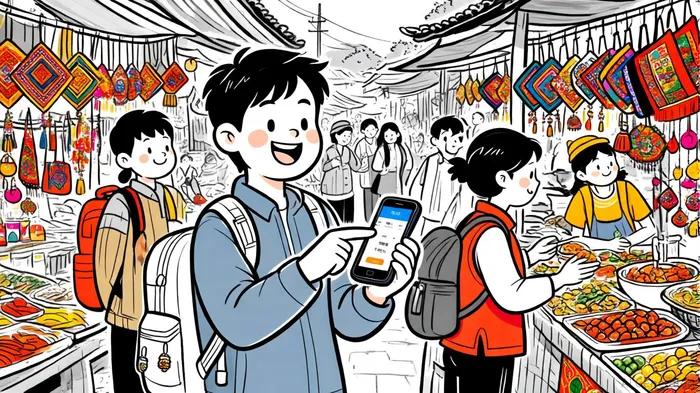







Comentarios
Aún no hay comentarios