
China Markets Reopen After Holiday, Bracing for Trump Tariffs Impact
Generado por agente de IAWesley Park
martes, 4 de febrero de 2025, 8:26 pm ET2 min de lectura
ANSC--
As the Mid-Autumn Festival holiday comes to an end, Chinese markets are set to reopen, bracing for the potential impact of President Trump's tariffs on the Chinese economy. The recent tariffs, which target a wide range of Chinese goods, have raised concerns about the potential fallout for Chinese markets and the broader global economy.
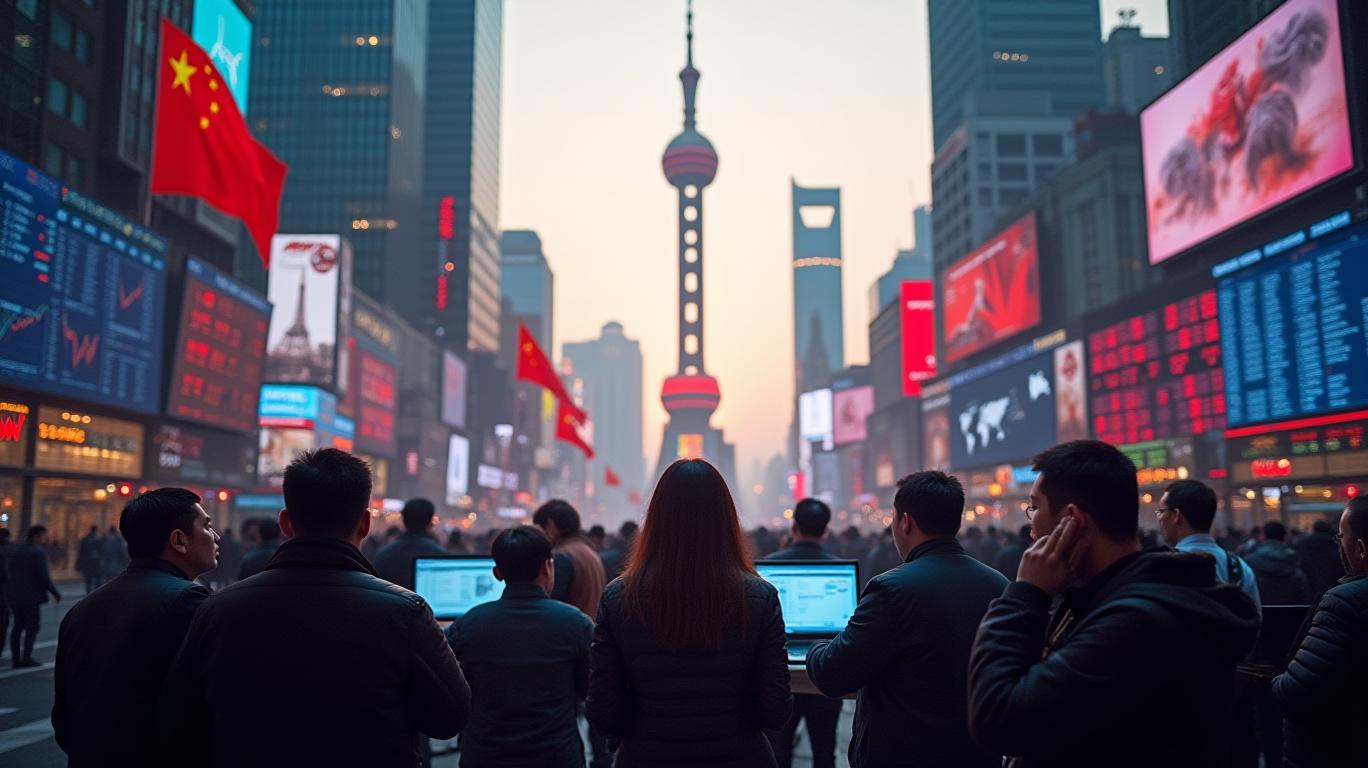
The tariffs, which came into effect on February 4, 2025, include a 25% tariff on most goods imported from Mexico and Canada, as well as a 10% additional tariff on all goods from China. The White House stated that the actions aim to advance U.S. priorities on immigration and drug trafficking, although specific goals for lifting the tariffs are unspecified. While a last-minute compromise is possible, the U.S. looks likely to proceed with tariffs, and the counterparties seem set to retaliate.
These tariffs create significant uncertainty in the economic and market outlook. J.P. Morgan strategists believe that if the tariffs on Mexico and Canada are imposed for a prolonged period, they would likely lower their expectations for U.S. economic growth by 0.5% to 1% and increase their inflation outlook by the same amount. They also expect to see more elevated stock market volatility, continued U.S. dollar strength relative to major trading partners, and even greater economic impacts on Mexico and Canada, as they heavily rely on exporting goods to the U.S.
The tariffs are expected to have a significant impact on the performance of Chinese markets in the long term. The shift in global supply chains, increased prices for consumers, retaliatory measures, impact on specific industries, and economic impact on China are all factors that could contribute to this impact. The sectors of the Chinese economy most vulnerable to the effects of Trump's China tariffs are agriculture and technology. To mitigate potential losses, these sectors might adapt by diversifying export markets, increasing domestic production, relocating production, investing in research and development, and forming strategic partnerships.
The Chinese government's response to these tariffs, such as retaliatory measures or economic stimulus, will also influence the overall market performance. China has implemented retaliatory tariffs on U.S. goods, targeting key sectors such as agriculture, chemicals, and machinery. Additionally, China has implemented various stimulus measures, including fiscal stimulus, monetary policy easing, and tax cuts, to mitigate the impact of tariffs on its economy.
In conclusion, as Chinese markets reopen after the holiday, they face the challenge of bracing for the potential impact of President Trump's tariffs. The tariffs are expected to have a significant impact on the performance of Chinese markets in the long term, with agriculture and technology sectors being particularly vulnerable. The Chinese government's response to these tariffs will also play a crucial role in shaping the overall market performance. Investors should closely monitor the situation and adjust their portfolios accordingly to navigate the uncertainty and potential risks associated with the tariffs.
As the Mid-Autumn Festival holiday comes to an end, Chinese markets are set to reopen, bracing for the potential impact of President Trump's tariffs on the Chinese economy. The recent tariffs, which target a wide range of Chinese goods, have raised concerns about the potential fallout for Chinese markets and the broader global economy.
The tariffs, which came into effect on February 4, 2025, include a 25% tariff on most goods imported from Mexico and Canada, as well as a 10% additional tariff on all goods from China. The White House stated that the actions aim to advance U.S. priorities on immigration and drug trafficking, although specific goals for lifting the tariffs are unspecified. While a last-minute compromise is possible, the U.S. looks likely to proceed with tariffs, and the counterparties seem set to retaliate.
These tariffs create significant uncertainty in the economic and market outlook. J.P. Morgan strategists believe that if the tariffs on Mexico and Canada are imposed for a prolonged period, they would likely lower their expectations for U.S. economic growth by 0.5% to 1% and increase their inflation outlook by the same amount. They also expect to see more elevated stock market volatility, continued U.S. dollar strength relative to major trading partners, and even greater economic impacts on Mexico and Canada, as they heavily rely on exporting goods to the U.S.
The tariffs are expected to have a significant impact on the performance of Chinese markets in the long term. The shift in global supply chains, increased prices for consumers, retaliatory measures, impact on specific industries, and economic impact on China are all factors that could contribute to this impact. The sectors of the Chinese economy most vulnerable to the effects of Trump's China tariffs are agriculture and technology. To mitigate potential losses, these sectors might adapt by diversifying export markets, increasing domestic production, relocating production, investing in research and development, and forming strategic partnerships.
The Chinese government's response to these tariffs, such as retaliatory measures or economic stimulus, will also influence the overall market performance. China has implemented retaliatory tariffs on U.S. goods, targeting key sectors such as agriculture, chemicals, and machinery. Additionally, China has implemented various stimulus measures, including fiscal stimulus, monetary policy easing, and tax cuts, to mitigate the impact of tariffs on its economy.
In conclusion, as Chinese markets reopen after the holiday, they face the challenge of bracing for the potential impact of President Trump's tariffs. The tariffs are expected to have a significant impact on the performance of Chinese markets in the long term, with agriculture and technology sectors being particularly vulnerable. The Chinese government's response to these tariffs will also play a crucial role in shaping the overall market performance. Investors should closely monitor the situation and adjust their portfolios accordingly to navigate the uncertainty and potential risks associated with the tariffs.

Divulgación editorial y transparencia de la IA: Ainvest News utiliza tecnología avanzada de Modelos de Lenguaje Largo (LLM) para sintetizar y analizar datos de mercado en tiempo real. Para garantizar los más altos estándares de integridad, cada artículo se somete a un riguroso proceso de verificación con participación humana.
Mientras la IA asiste en el procesamiento de datos y la redacción inicial, un miembro editorial profesional de Ainvest revisa, verifica y aprueba de forma independiente todo el contenido para garantizar su precisión y cumplimiento con los estándares editoriales de Ainvest Fintech Inc. Esta supervisión humana está diseñada para mitigar las alucinaciones de la IA y garantizar el contexto financiero.
Advertencia sobre inversiones: Este contenido se proporciona únicamente con fines informativos y no constituye asesoramiento profesional de inversión, legal o financiero. Los mercados conllevan riesgos inherentes. Se recomienda a los usuarios que realicen una investigación independiente o consulten a un asesor financiero certificado antes de tomar cualquier decisión. Ainvest Fintech Inc. se exime de toda responsabilidad por las acciones tomadas con base en esta información. ¿Encontró un error? Reportar un problema


SOBRE NOSOTROS
Nuestra historiaAutores de noticiasBase de conocimientosPolítica de privacidadTérmino de usoDescargo de responsabilidad de corretaje de tercerosTérminos de uso de AIMEDivulgaciones de riesgos de AInvest AICarrerasCONTÁCTENOS
Email: support@ainvest.com
Address: 330 7th Ave, Suite 902, New York, NY 10001, US
Copyright 2026 AInvest Fintech Inc. All rights reserved.


Comentarios
Aún no hay comentarios