
China-Iraq Energy Synergy: How Shanghai Electric's 625MW Combined-Cycle Project Is Pioneering BRI-Driven Energy Modernization
The Middle East's energy infrastructure is undergoing a transformative shift, driven by cross-border investments and strategic partnerships under the Belt and Road Initiative (BRI). At the forefront of this evolution is Shanghai Electric's 625MW Combined-Cycle Power Plant Project in Iraq, a flagship initiative that exemplifies how Chinese engineering expertise and geopolitical foresight are reshaping energy-starved markets. By upgrading existing gas turbine units into efficient combined-cycle systems, the project not only addresses Iraq's chronic electricity shortages but also positions the country as a regional hub for energy security and economic recovery. For investors, this initiative underscores the growing ROI potential in BRI-aligned infrastructure projects, particularly in regions where energy demand outpaces supply.
A Technical and Strategic Powerhouse
Shanghai Electric's project spans four Iraqi provinces-Najaf, Karbala, Babylon, and Qadisiyah-where it is converting simple-cycle gas turbines into combined-cycle units. This technology captures high-temperature exhaust from existing turbines to generate steam, driving additional power output without increasing fuel consumption. The result is a 50% efficiency boost and an added 625 megawatts of capacity, producing 5 billion kilowatt-hours of clean electricity annually. Such efficiency gains are critical for Iraq, where energy shortages have long stifled economic growth and quality of life.
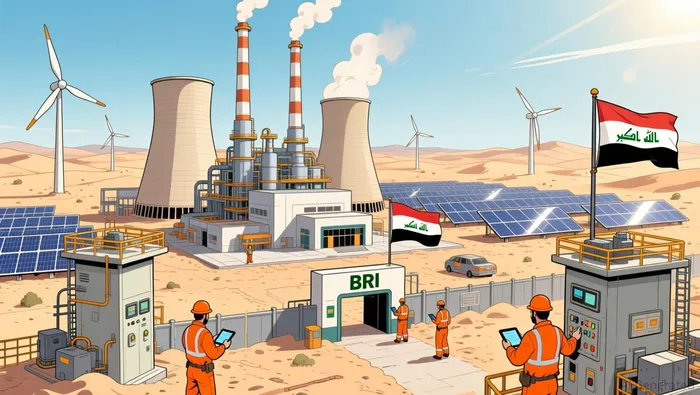
The project's full-chain capabilities-from design and equipment supply to construction and operation-leverage Chinese standards and technology, reducing reliance on foreign suppliers. This vertical integration not only accelerates project timelines but also ensures cost predictability, a key factor in mitigating risks for investors. As noted by the Iraqi Ministry of Electricity, the initiative is a cornerstone of the country's post-war reconstruction plan, with Minister Ziad Ali Fadel emphasizing its role in reducing dependence on imported natural gas according to official statements.
BRI Alignment and Geopolitical Leverage
The 625MW project is emblematic of the BRI's strategic focus on energy infrastructure in the Middle East. In 2025, China's energy-related BRI investments in the region reached USD 42 billion, with Iraq emerging as a top recipient. This surge reflects a dual objective: to stabilize energy-starved economies and to deepen China's geopolitical footprint. By adopting Chinese equipment and standards, Iraq's power sector is becoming increasingly aligned with Beijing's technological ecosystem, a move that reinforces long-term economic ties.







Comentarios
Aún no hay comentarios