
China Eastern Airlines: Delisting from NYSE and Strategic Reorientation
Generado por agente de IAWesley Park
viernes, 20 de diciembre de 2024, 6:32 am ET1 min de lectura
H--
China Eastern Airlines' recent announcement to delist its American Depositary Shares (ADSs) from the New York Stock Exchange (NYSE) has sparked interest among investors and industry observers. The move, driven by commercial factors such as limited trading volume and high compliance costs, signals a strategic reorientation towards the Asian market. This article explores the implications of this delisting on the company's global investor base, regulatory compliance, and future growth plans.
The delisting of ADSs from the NYSE may impact China Eastern Airlines' global investor base and liquidity. U.S.-based investors may face challenges in trading the ADSs over-the-counter post-delisting, potentially reducing liquidity. However, the delisting may also attract more Asian investors, as the company's primary listing will remain in Hong Kong. This shift in investor focus could have both positive and negative consequences for the company's shareholder base and liquidity.
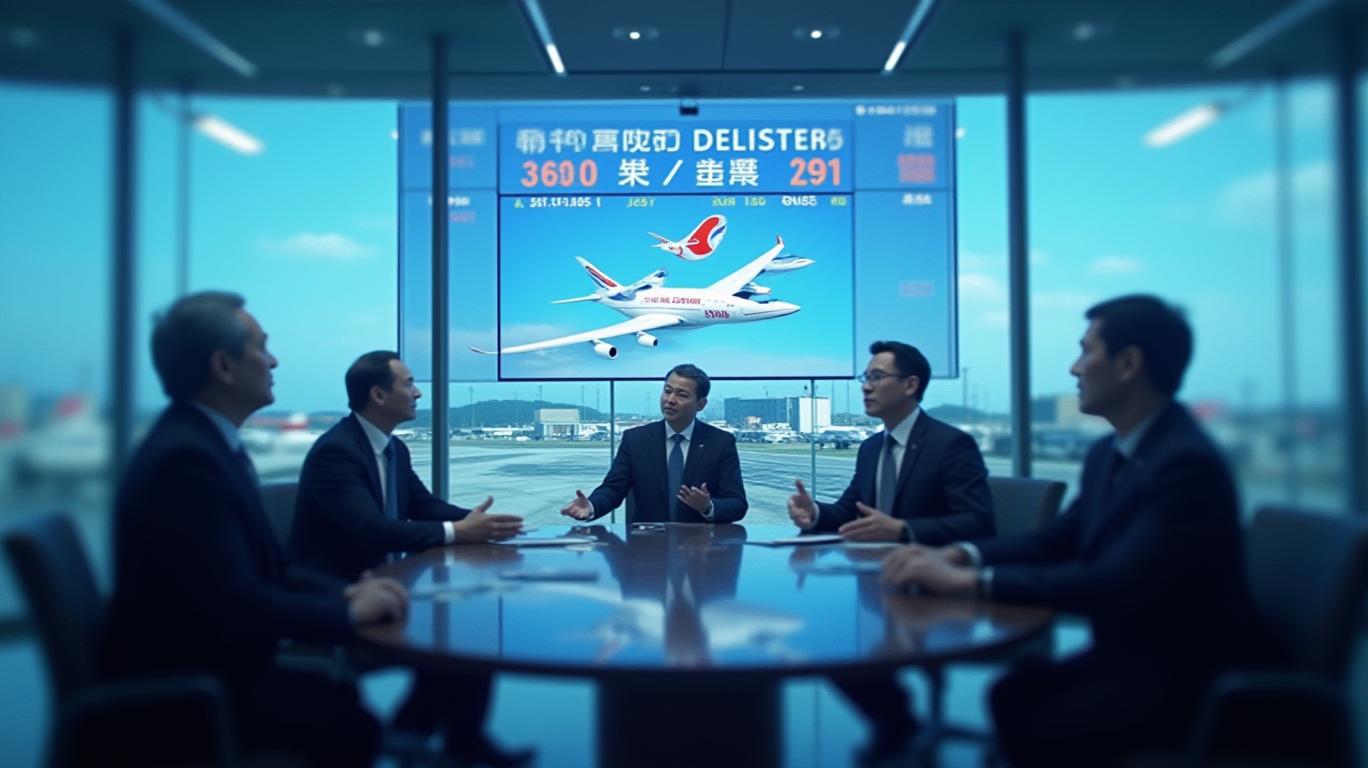
The delisting may also have significant implications for U.S. shareholders and regulatory compliance. U.S. shareholders may face liquidity issues, as the ADSs will no longer be traded on the NYSE. Additionally, the deregistration of ADSs and underlying H Shares under the U.S. Securities Exchange Act of 1934 may suspend the company's reporting obligations under the Exchange Act, potentially limiting U.S. shareholders' access to timely and comprehensive financial information. However, China Eastern Airlines has committed to making required information available on its website and continuing to comply with Hong Kong Stock Exchange listing rules, which may mitigate some of these concerns.
The delisting aligns with China Eastern Airlines' broader strategic objectives and future growth plans. By reducing administrative burdens and costs, the company can focus resources on its core operations and growth plans. Additionally, the company believes that the Hong Kong Stock Exchange and the Shanghai Stock Exchange are sufficient alternatives for future financing needs, indicating a strategic shift towards the Asian market. This move may also help the company to better navigate geopolitical tensions and regulatory uncertainties, as seen in recent U.S.-China trade disputes.
In conclusion, China Eastern Airlines' delisting from the NYSE is a strategic move that may have both positive and negative implications for its global investor base, regulatory compliance, and future growth plans. While the delisting may impact U.S. shareholders and liquidity, it also signals a strategic reorientation towards the Asian market. As the company continues to navigate the complex geopolitical landscape and regulatory environment, investors should closely monitor its progress and adapt their investment strategies accordingly.
China Eastern Airlines' recent announcement to delist its American Depositary Shares (ADSs) from the New York Stock Exchange (NYSE) has sparked interest among investors and industry observers. The move, driven by commercial factors such as limited trading volume and high compliance costs, signals a strategic reorientation towards the Asian market. This article explores the implications of this delisting on the company's global investor base, regulatory compliance, and future growth plans.
The delisting of ADSs from the NYSE may impact China Eastern Airlines' global investor base and liquidity. U.S.-based investors may face challenges in trading the ADSs over-the-counter post-delisting, potentially reducing liquidity. However, the delisting may also attract more Asian investors, as the company's primary listing will remain in Hong Kong. This shift in investor focus could have both positive and negative consequences for the company's shareholder base and liquidity.
The delisting may also have significant implications for U.S. shareholders and regulatory compliance. U.S. shareholders may face liquidity issues, as the ADSs will no longer be traded on the NYSE. Additionally, the deregistration of ADSs and underlying H Shares under the U.S. Securities Exchange Act of 1934 may suspend the company's reporting obligations under the Exchange Act, potentially limiting U.S. shareholders' access to timely and comprehensive financial information. However, China Eastern Airlines has committed to making required information available on its website and continuing to comply with Hong Kong Stock Exchange listing rules, which may mitigate some of these concerns.
The delisting aligns with China Eastern Airlines' broader strategic objectives and future growth plans. By reducing administrative burdens and costs, the company can focus resources on its core operations and growth plans. Additionally, the company believes that the Hong Kong Stock Exchange and the Shanghai Stock Exchange are sufficient alternatives for future financing needs, indicating a strategic shift towards the Asian market. This move may also help the company to better navigate geopolitical tensions and regulatory uncertainties, as seen in recent U.S.-China trade disputes.
In conclusion, China Eastern Airlines' delisting from the NYSE is a strategic move that may have both positive and negative implications for its global investor base, regulatory compliance, and future growth plans. While the delisting may impact U.S. shareholders and liquidity, it also signals a strategic reorientation towards the Asian market. As the company continues to navigate the complex geopolitical landscape and regulatory environment, investors should closely monitor its progress and adapt their investment strategies accordingly.

Divulgación editorial y transparencia de la IA: Ainvest News utiliza tecnología avanzada de Modelos de Lenguaje Largo (LLM) para sintetizar y analizar datos de mercado en tiempo real. Para garantizar los más altos estándares de integridad, cada artículo se somete a un riguroso proceso de verificación con participación humana.
Mientras la IA asiste en el procesamiento de datos y la redacción inicial, un miembro editorial profesional de Ainvest revisa, verifica y aprueba de forma independiente todo el contenido para garantizar su precisión y cumplimiento con los estándares editoriales de Ainvest Fintech Inc. Esta supervisión humana está diseñada para mitigar las alucinaciones de la IA y garantizar el contexto financiero.
Advertencia sobre inversiones: Este contenido se proporciona únicamente con fines informativos y no constituye asesoramiento profesional de inversión, legal o financiero. Los mercados conllevan riesgos inherentes. Se recomienda a los usuarios que realicen una investigación independiente o consulten a un asesor financiero certificado antes de tomar cualquier decisión. Ainvest Fintech Inc. se exime de toda responsabilidad por las acciones tomadas con base en esta información. ¿Encontró un error? Reportar un problema


SOBRE NOSOTROS
Nuestra historiaAutores de noticiasBase de conocimientosPolítica de privacidadTérmino de usoDescargo de responsabilidad de corretaje de tercerosTérminos de uso de AIMEDivulgaciones de riesgos de AInvest AICarrerasCONTÁCTENOS
Email: support@ainvest.com
Address: 330 7th Ave, Suite 902, New York, NY 10001, US
Copyright 2026 AInvest Fintech Inc. All rights reserved.


Comentarios
Aún no hay comentarios