
China's $6.8 Billn Funding Plan: A Lifeline for Vanke and the Property Sector
Generado por agente de IAWesley Park
miércoles, 12 de febrero de 2025, 2:15 am ET2 min de lectura

The Chinese property sector has been grappling with a severe liquidity crisis, with many developers facing mounting debt obligations and cash flow challenges. In a bid to stabilize the market and prevent a wave of defaults, the Chinese authorities are reportedly considering a $6.8 billion funding plan to help China Vanke, one of the country's largest property developers, repay its debts. This article explores the potential implications of this funding plan on Vanke, the broader property sector, and investor sentiment.
China Vanke, the nation's second-largest property developer by contracted sales, has been facing significant liquidity risks in recent months. The company's bonds have rallied following the announcement of a 2.8 billion yuan (US$383.12 million) loan from its major shareholder, state-owned Shenzhen Metro. This loan, the first liquidity support from Shenzhen Metro after a senior management reshuffle in Vanke last month, is a sign of the government's efforts to stabilize the property developer and prevent a bond default.
The loan is a positive development for Vanke, as it provides much-needed liquidity and demonstrates the government's commitment to supporting the company. However, the amount is relatively small compared to the more than 30 billion yuan of Vanke public bonds maturing in the remainder of 2025. This raises questions about whether the loan will be sufficient to address Vanke's liquidity crisis in the long term.
The funding plan for Vanke aligns with the Chinese government's broader economic policies and objectives, particularly in relation to the real estate sector and debt management. By providing liquidity support to Vanke, the government aims to stabilize the property developer and prevent a wave of defaults that could lead to a full-blown financial crisis. This approach is consistent with the government's efforts to maintain social stability and promote economic growth.
The proposed funding plan also ties in with the government's fiscal stimulus and infrastructure investment policies. By providing liquidity support to Vanke, the government can help the company complete its projects, which in turn contributes to infrastructure development and economic growth. This is a win-win situation for both the government and Vanke, as it helps the company address its liquidity crisis while also supporting the broader economy.
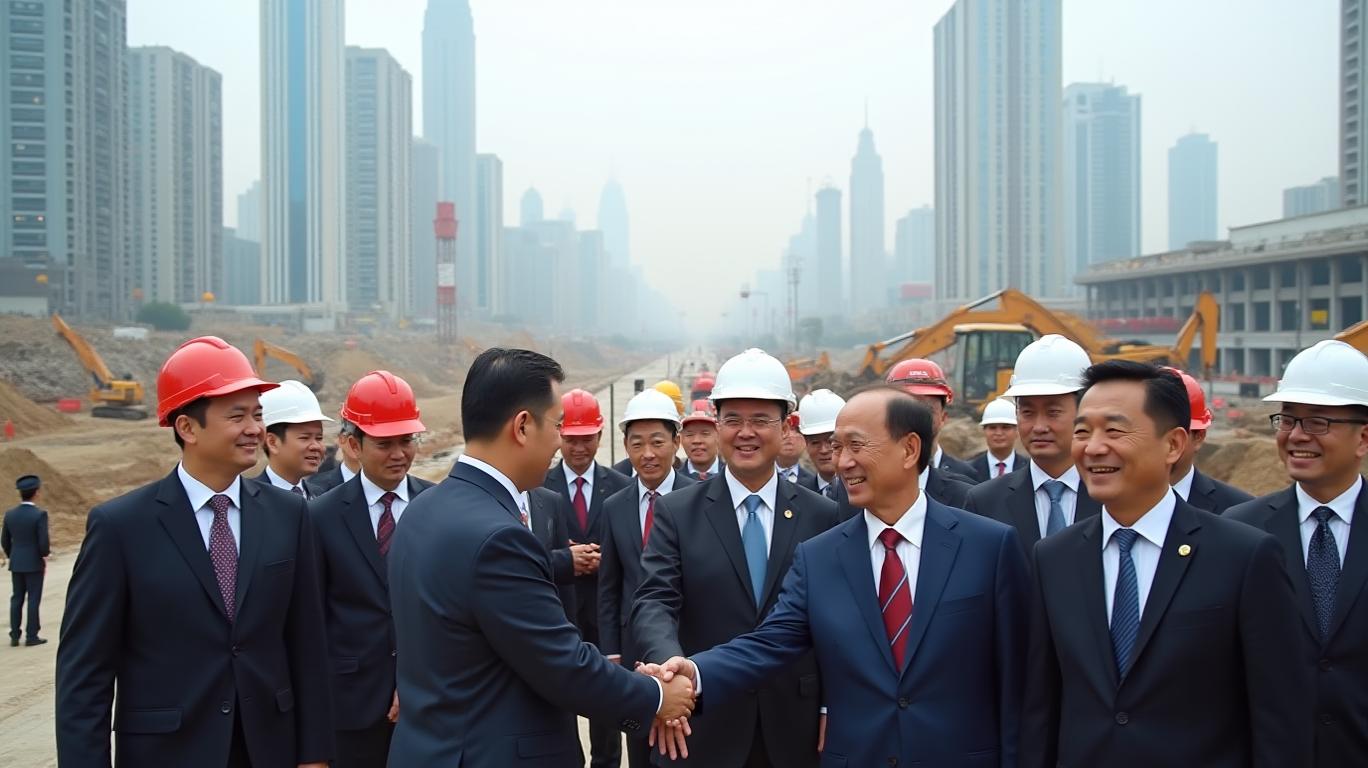
The funding plan for Vanke has the potential to influence investor sentiment and market dynamics in the broader Chinese property sector. The loan from Shenzhen Metro signals the government's commitment to supporting the sector and preventing a wave of defaults. This could boost investor confidence in Vanke and other property developers, leading to a rally in their bonds and stocks. However, investors may still be concerned about Vanke's long-term financial health and the potential for contagion to other developers in the sector.
In conclusion, the proposed $6.8 billion funding plan by the Chinese authorities aims to address Vanke's liquidity crisis and ensure the company's long-term financial stability. The plan aligns with the government's broader economic policies and objectives, particularly in relation to the real estate sector and debt management. While the loan provides much-needed liquidity for Vanke, investors may still be concerned about the company's long-term financial health and the potential for contagion to other developers in the sector. The funding plan has the potential to influence investor sentiment and market dynamics in the broader Chinese property sector, but its long-term impact remains to be seen.



Divulgación editorial y transparencia de la IA: Ainvest News utiliza tecnología avanzada de Modelos de Lenguaje Largo (LLM) para sintetizar y analizar datos de mercado en tiempo real. Para garantizar los más altos estándares de integridad, cada artículo se somete a un riguroso proceso de verificación con participación humana.
Mientras la IA asiste en el procesamiento de datos y la redacción inicial, un miembro editorial profesional de Ainvest revisa, verifica y aprueba de forma independiente todo el contenido para garantizar su precisión y cumplimiento con los estándares editoriales de Ainvest Fintech Inc. Esta supervisión humana está diseñada para mitigar las alucinaciones de la IA y garantizar el contexto financiero.
Advertencia sobre inversiones: Este contenido se proporciona únicamente con fines informativos y no constituye asesoramiento profesional de inversión, legal o financiero. Los mercados conllevan riesgos inherentes. Se recomienda a los usuarios que realicen una investigación independiente o consulten a un asesor financiero certificado antes de tomar cualquier decisión. Ainvest Fintech Inc. se exime de toda responsabilidad por las acciones tomadas con base en esta información. ¿Encontró un error? Reportar un problema


SOBRE NOSOTROS
Nuestra historiaAutores de noticiasBase de conocimientosPolítica de privacidadTérmino de usoDescargo de responsabilidad de corretaje de tercerosTérminos de uso de AIMEDivulgaciones de riesgos de AInvest AICarrerasCONTÁCTENOS
Email: support@ainvest.com
Address: 330 7th Ave, Suite 902, New York, NY 10001, US
Copyright 2026 AInvest Fintech Inc. All rights reserved.


Comentarios
Aún no hay comentarios