
China's 2024 Non-Financial ODI: A Surge in Growth and Diversification
Generado por agente de IAWesley Park
martes, 21 de enero de 2025, 7:32 am ET1 min de lectura
ROAD--

In 2024, China's non-financial outbound direct investment (ODI) rose by 10.5 percent year-on-year, reaching RMB 965.89 billion (US$135.87 billion in dollar terms). This significant growth, following an already high ODI record in 2023, reflects China's expanding role as a global investor. The surge in ODI is driven by several key factors, including market diversification, government support, and growing global demand for infrastructure and capital.
Market diversification and reducing reliance on a single region have become essential for Chinese companies seeking new growth opportunities and greater integration into the global economy. This trend is further accelerated by a slowing domestic economy and the evolving dynamics of globalization and regional development. Establishing economic partnerships with other countries helps mitigate operational risks, fosters regional economic growth, and strengthens diplomatic ties.
Government support and corporate ambition have also played a pivotal role in China's continued ODI growth. The Chinese government actively promotes ODI, providing financial and policy support to encourage investments abroad. This support, coupled with the ambition of Chinese corporations, contributes to the sustained growth of ODI.
Growing global demand for infrastructure and capital, particularly in emerging markets, presents opportunities for Chinese investors. This demand, combined with the government's "Belt and Road Initiative" (BRI), encourages Chinese companies to invest in overseas projects, contributing to the growth of ODI. In 2024, Chinese enterprises invested RMB 189.45 billion in non-financial sectors in BRI countries, reflecting a year-on-year growth of 4.3 percent.
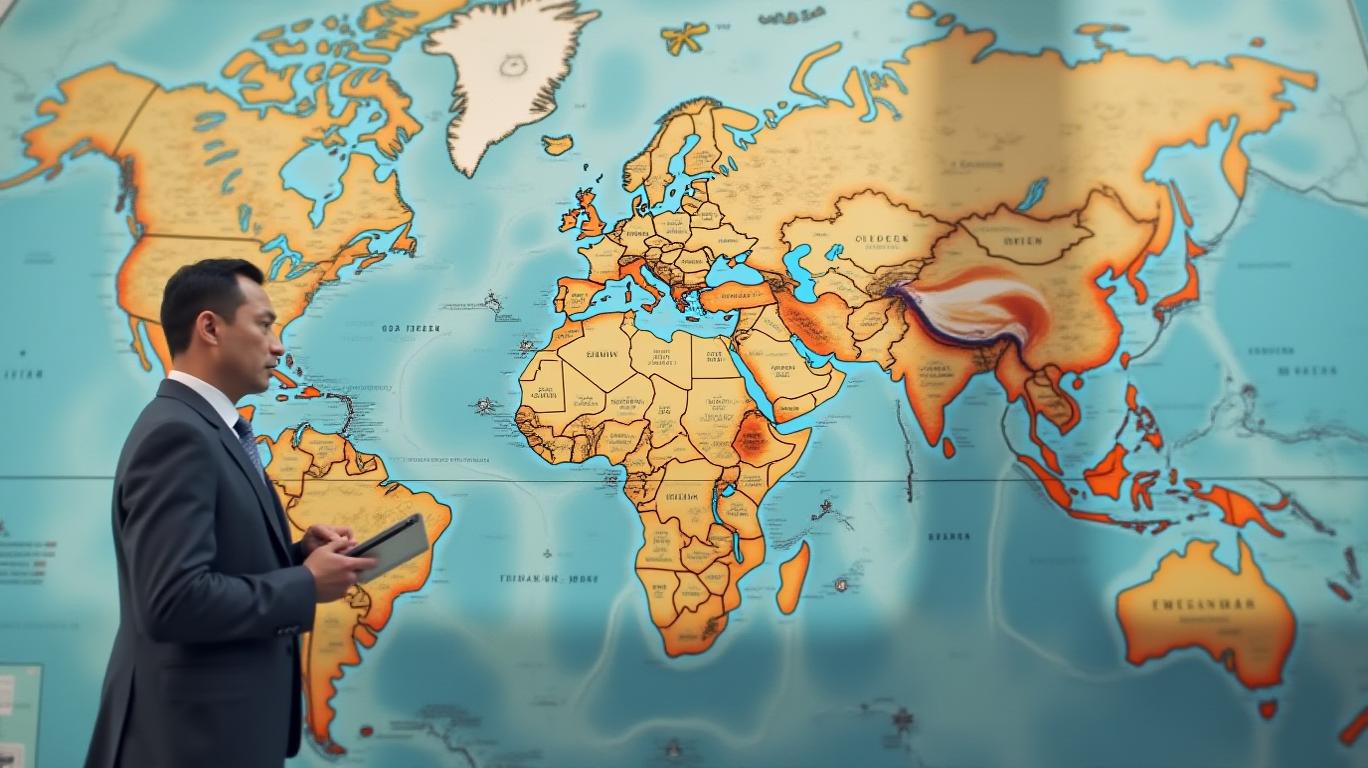
The investment landscape has shifted towards emerging markets, particularly in Southeast Asia and Africa, where investments surged significantly. This shift is evident in the increasing investments in these regions, which have surged compared to previous years. For instance, in 2023, China's ODI in Southeast Asia and Africa increased significantly compared to previous years.
The investment sectors remain diverse, with investments in leasing and business services, wholesale and retail, manufacturing, and finance accounting for nearly 80 percent of the total for the year. Investments in the construction industry and the information transmission/software and information technology services sectors grew rapidly, with growth rates of 97.2 percent and 34.9 percent, respectively. This trend aligns with the overall global investment landscape, as infrastructure and technology sectors are increasingly prioritized by investors worldwide.
In conclusion, China's 2024 non-financial ODI growth reflects the country's expanding role as a global investor, driven by market diversification, government support, and growing global demand for infrastructure and capital. The shift towards emerging markets and the focus on infrastructure and technology investments highlight the strategic importance of ODI in China's international engagement strategy. As China continues to navigate geopolitical tensions and trade disputes, its ODI growth remains a pivotal component of its global influence and economic development.
In 2024, China's non-financial outbound direct investment (ODI) rose by 10.5 percent year-on-year, reaching RMB 965.89 billion (US$135.87 billion in dollar terms). This significant growth, following an already high ODI record in 2023, reflects China's expanding role as a global investor. The surge in ODI is driven by several key factors, including market diversification, government support, and growing global demand for infrastructure and capital.
Market diversification and reducing reliance on a single region have become essential for Chinese companies seeking new growth opportunities and greater integration into the global economy. This trend is further accelerated by a slowing domestic economy and the evolving dynamics of globalization and regional development. Establishing economic partnerships with other countries helps mitigate operational risks, fosters regional economic growth, and strengthens diplomatic ties.
Government support and corporate ambition have also played a pivotal role in China's continued ODI growth. The Chinese government actively promotes ODI, providing financial and policy support to encourage investments abroad. This support, coupled with the ambition of Chinese corporations, contributes to the sustained growth of ODI.
Growing global demand for infrastructure and capital, particularly in emerging markets, presents opportunities for Chinese investors. This demand, combined with the government's "Belt and Road Initiative" (BRI), encourages Chinese companies to invest in overseas projects, contributing to the growth of ODI. In 2024, Chinese enterprises invested RMB 189.45 billion in non-financial sectors in BRI countries, reflecting a year-on-year growth of 4.3 percent.
The investment landscape has shifted towards emerging markets, particularly in Southeast Asia and Africa, where investments surged significantly. This shift is evident in the increasing investments in these regions, which have surged compared to previous years. For instance, in 2023, China's ODI in Southeast Asia and Africa increased significantly compared to previous years.
The investment sectors remain diverse, with investments in leasing and business services, wholesale and retail, manufacturing, and finance accounting for nearly 80 percent of the total for the year. Investments in the construction industry and the information transmission/software and information technology services sectors grew rapidly, with growth rates of 97.2 percent and 34.9 percent, respectively. This trend aligns with the overall global investment landscape, as infrastructure and technology sectors are increasingly prioritized by investors worldwide.
In conclusion, China's 2024 non-financial ODI growth reflects the country's expanding role as a global investor, driven by market diversification, government support, and growing global demand for infrastructure and capital. The shift towards emerging markets and the focus on infrastructure and technology investments highlight the strategic importance of ODI in China's international engagement strategy. As China continues to navigate geopolitical tensions and trade disputes, its ODI growth remains a pivotal component of its global influence and economic development.

Divulgación editorial y transparencia de la IA: Ainvest News utiliza tecnología avanzada de Modelos de Lenguaje Largo (LLM) para sintetizar y analizar datos de mercado en tiempo real. Para garantizar los más altos estándares de integridad, cada artículo se somete a un riguroso proceso de verificación con participación humana.
Mientras la IA asiste en el procesamiento de datos y la redacción inicial, un miembro editorial profesional de Ainvest revisa, verifica y aprueba de forma independiente todo el contenido para garantizar su precisión y cumplimiento con los estándares editoriales de Ainvest Fintech Inc. Esta supervisión humana está diseñada para mitigar las alucinaciones de la IA y garantizar el contexto financiero.
Advertencia sobre inversiones: Este contenido se proporciona únicamente con fines informativos y no constituye asesoramiento profesional de inversión, legal o financiero. Los mercados conllevan riesgos inherentes. Se recomienda a los usuarios que realicen una investigación independiente o consulten a un asesor financiero certificado antes de tomar cualquier decisión. Ainvest Fintech Inc. se exime de toda responsabilidad por las acciones tomadas con base en esta información. ¿Encontró un error? Reportar un problema


SOBRE NOSOTROS
Nuestra historiaAutores de noticiasBase de conocimientosPolítica de privacidadTérmino de usoDescargo de responsabilidad de corretaje de tercerosTérminos de uso de AIMEDivulgaciones de riesgos de AInvest AICarrerasCONTÁCTENOS
Email: support@ainvest.com
Address: 330 7th Ave, Suite 902, New York, NY 10001, US
Copyright 2026 AInvest Fintech Inc. All rights reserved.


Comentarios
Aún no hay comentarios