
China's US$13 Billion Trade Finance Facility: A Boost for Hong Kong's Yuan Hub
Generado por agente de IAWesley Park
lunes, 13 de enero de 2025, 4:38 am ET1 min de lectura
FISI--

In a significant move to bolster Hong Kong's status as the global offshore RMB business hub, China has unveiled a US$13 billion trade finance facility. The Hong Kong Monetary Authority (HKMA) and the People's Bank of China (PBoC) have joined forces to introduce the HKMA RMB Trade Financing Liquidity Facility, a stable source of relatively lower-cost RMB funds for banks in Hong Kong. This initiative aims to support banks in providing RMB trade finance services to their corporate customers, further enhancing the liquidity of Hong Kong's offshore RMB market.
The new facility, with a total size of RMB100 billion (approximately US$13 billion), offers 1-month, 3-month, and 6-month RMB funds at interest rates referencing onshore interest rates plus a spread. This will help meet the increasing funding demand for RMB trade financing, consolidating Hong Kong's leading position as the global offshore RMB business hub. Additionally, the facility introduces currency swap arrangements, allowing banks to swap their HKD funds for RMB funds with the HKMA, providing greater flexibility in managing currency exposures.
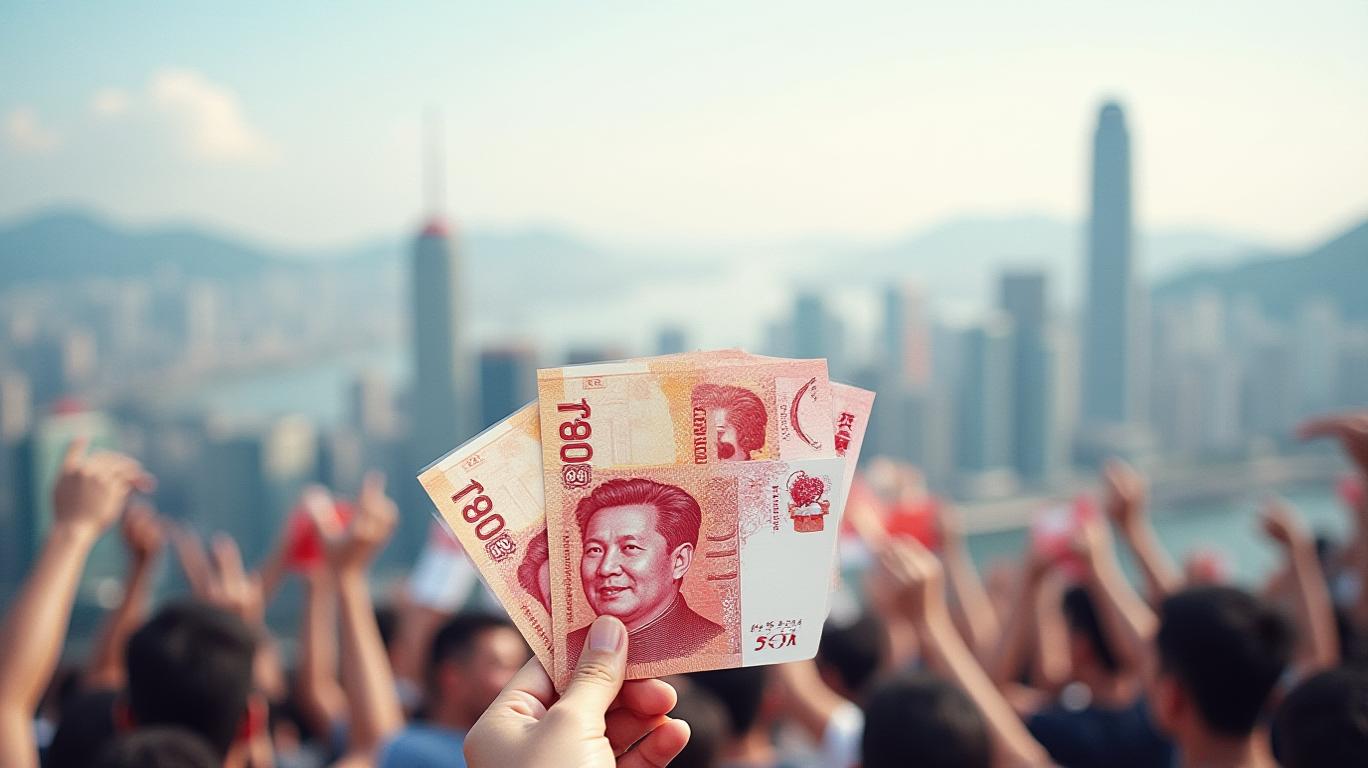
The introduction of this US$13 billion trade finance facility is expected to have several significant impacts on the global trade finance landscape and the yuan's internationalization. Firstly, it will enhance the liquidity of Hong Kong's offshore RMB market, supporting banks in providing RMB trade finance services to their corporate customers. This increased liquidity can foster a more vibrant and active RMB market in Hong Kong, attracting more international investors and businesses to use the city as a platform for RMB-related transactions.
Secondly, the facility can lead to an increase in the demand for RMB trade financing, as companies may prefer to use RMB for their cross-border transactions due to lower costs. This can contribute to the internationalization of the yuan, as more companies and financial institutions adopt RMB for their cross-border transactions, leading to a more diverse and balanced global currency landscape.
Lastly, the US$13 billion trade finance facility can strengthen Hong Kong's position as a global offshore RMB hub, attracting more international investors and businesses to use Hong Kong as a platform for RMB-related transactions. This can further boost the city's role in the global financial landscape, promoting the internationalization of the yuan and encouraging its usage in global trade.
In conclusion, China's US$13 billion trade finance facility is a strategic move to bolster Hong Kong's status as the global offshore RMB business hub. By enhancing the liquidity of Hong Kong's offshore RMB market, increasing demand for RMB trade financing, and strengthening the city's position as a global offshore RMB hub, this initiative can promote the internationalization of the yuan and contribute to a more diverse and balanced global currency landscape.
RMBS--
In a significant move to bolster Hong Kong's status as the global offshore RMB business hub, China has unveiled a US$13 billion trade finance facility. The Hong Kong Monetary Authority (HKMA) and the People's Bank of China (PBoC) have joined forces to introduce the HKMA RMB Trade Financing Liquidity Facility, a stable source of relatively lower-cost RMB funds for banks in Hong Kong. This initiative aims to support banks in providing RMB trade finance services to their corporate customers, further enhancing the liquidity of Hong Kong's offshore RMB market.
The new facility, with a total size of RMB100 billion (approximately US$13 billion), offers 1-month, 3-month, and 6-month RMB funds at interest rates referencing onshore interest rates plus a spread. This will help meet the increasing funding demand for RMB trade financing, consolidating Hong Kong's leading position as the global offshore RMB business hub. Additionally, the facility introduces currency swap arrangements, allowing banks to swap their HKD funds for RMB funds with the HKMA, providing greater flexibility in managing currency exposures.
The introduction of this US$13 billion trade finance facility is expected to have several significant impacts on the global trade finance landscape and the yuan's internationalization. Firstly, it will enhance the liquidity of Hong Kong's offshore RMB market, supporting banks in providing RMB trade finance services to their corporate customers. This increased liquidity can foster a more vibrant and active RMB market in Hong Kong, attracting more international investors and businesses to use the city as a platform for RMB-related transactions.
Secondly, the facility can lead to an increase in the demand for RMB trade financing, as companies may prefer to use RMB for their cross-border transactions due to lower costs. This can contribute to the internationalization of the yuan, as more companies and financial institutions adopt RMB for their cross-border transactions, leading to a more diverse and balanced global currency landscape.
Lastly, the US$13 billion trade finance facility can strengthen Hong Kong's position as a global offshore RMB hub, attracting more international investors and businesses to use Hong Kong as a platform for RMB-related transactions. This can further boost the city's role in the global financial landscape, promoting the internationalization of the yuan and encouraging its usage in global trade.
In conclusion, China's US$13 billion trade finance facility is a strategic move to bolster Hong Kong's status as the global offshore RMB business hub. By enhancing the liquidity of Hong Kong's offshore RMB market, increasing demand for RMB trade financing, and strengthening the city's position as a global offshore RMB hub, this initiative can promote the internationalization of the yuan and contribute to a more diverse and balanced global currency landscape.

Divulgación editorial y transparencia de la IA: Ainvest News utiliza tecnología avanzada de Modelos de Lenguaje Largo (LLM) para sintetizar y analizar datos de mercado en tiempo real. Para garantizar los más altos estándares de integridad, cada artículo se somete a un riguroso proceso de verificación con participación humana.
Mientras la IA asiste en el procesamiento de datos y la redacción inicial, un miembro editorial profesional de Ainvest revisa, verifica y aprueba de forma independiente todo el contenido para garantizar su precisión y cumplimiento con los estándares editoriales de Ainvest Fintech Inc. Esta supervisión humana está diseñada para mitigar las alucinaciones de la IA y garantizar el contexto financiero.
Advertencia sobre inversiones: Este contenido se proporciona únicamente con fines informativos y no constituye asesoramiento profesional de inversión, legal o financiero. Los mercados conllevan riesgos inherentes. Se recomienda a los usuarios que realicen una investigación independiente o consulten a un asesor financiero certificado antes de tomar cualquier decisión. Ainvest Fintech Inc. se exime de toda responsabilidad por las acciones tomadas con base en esta información. ¿Encontró un error? Reportar un problema


SOBRE NOSOTROS
Nuestra historiaAutores de noticiasBase de conocimientosPolítica de privacidadTérmino de usoDescargo de responsabilidad de corretaje de tercerosTérminos de uso de AIMEDivulgaciones de riesgos de AInvest AICarrerasCONTÁCTENOS
Email: support@ainvest.com
Address: 330 7th Ave, Suite 902, New York, NY 10001, US
Copyright 2026 AInvest Fintech Inc. All rights reserved.


Comentarios
Aún no hay comentarios