
Chile Copper Producers Combine Smelter Efforts: A Strategic Move for Global Leadership
Generado por agente de IAWesley Park
miércoles, 11 de diciembre de 2024, 8:33 am ET2 min de lectura
RS--
Chile, the world's leading copper producer, is set to strengthen its position in the global market by combining the smelter efforts of its major producers. This strategic move aims to improve competitiveness, reduce reliance on international smelting capacities, and position Chile as a global leader in copper concentrate smelting. The collaboration between Chilean copper producers is expected to have significant implications for global copper supply, pricing, and technological advancements in the industry.
The decision to combine smelter efforts comes at a time when Chile faces a significant risk posed by its collection of the most unsustainable and antiquated smelter operations among major copper producers worldwide (Source 1). By pooling resources and expertise, Chilean copper producers can modernize their smelting operations, adopt advanced technologies like flash and bath smelting, and reduce emissions per unit of copper produced. This will not only improve environmental sustainability but also enhance Chile's competitiveness in the global market.
Regionalized, non-integrated custom smelters can handle ores from various sources, reducing overall operating costs and enhancing Chile's position as a global leader in copper smelting (Source 0). This strategic policy will enable Chile to process ores from diverse sources, reducing reliance on international smelting capacities and increasing overall smelting capacity. With a large portion of copper concentrate exports coming from privately owned mines, synergistic efforts with industry partners will be crucial to increase overall smelting capacity (Source 1).
The combined smelting capacity of Chilean copper producers will significantly impact global copper supply and pricing. Chile, with its vast copper reserves and production capacity, is well-positioned to fill the potential supply gap of 7.7 million t/y by 2034 (Source 3). Mining companies will require prices of US$10,000/t, and possibly as high as US$12,000/t, to meet this demand (Source 3). By increasing its smelting capacity and improving its competitiveness, Chile can capitalize on the growing market demand for copper and secure its position as a global leader in the industry.
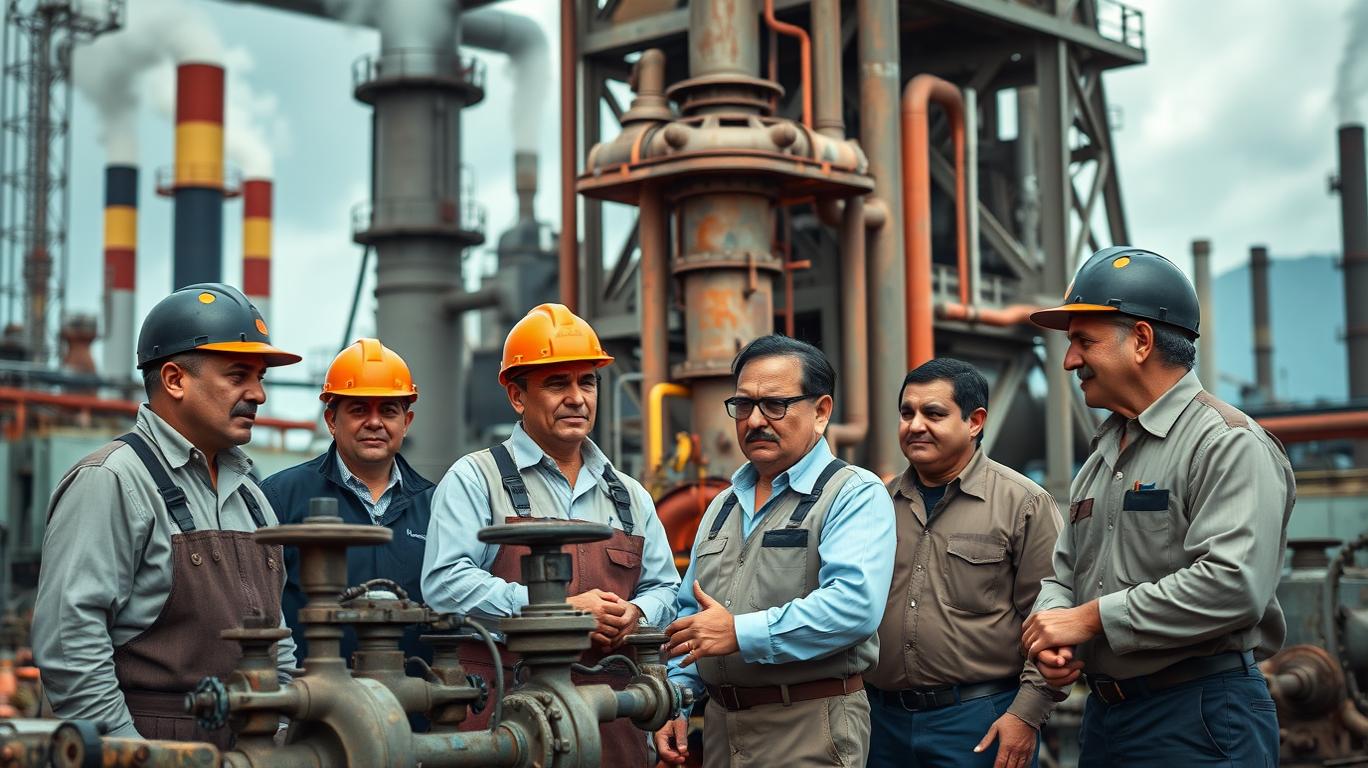
The collaboration between Chilean copper producers will also bring significant strategic advantages in technological advancements and environmental sustainability. By investing in modernizing smelting operations, Chile can adopt cleaner and more efficient technologies, reducing its reliance on international smelting capacities and improving its competitiveness in the global market. Moreover, regionalized, non-integrated custom smelters can handle ores from various sources, reducing overall operating costs and enhancing Chile's position as a global leader in copper smelting (Source 0).
In conclusion, the collaboration between Chilean copper producers to combine smelter efforts is a strategic move that will have significant implications for global copper supply, pricing, and technological advancements in the industry. By improving its competitiveness, reducing reliance on international smelting capacities, and increasing overall smelting capacity, Chile is well-positioned to secure its position as a global leader in the copper market. The combined smelting capacity of Chilean copper producers will not only enhance Chile's competitiveness but also contribute to the global effort to meet the growing demand for copper in the face of increasing electrification and the green energy transition.
Chile, the world's leading copper producer, is set to strengthen its position in the global market by combining the smelter efforts of its major producers. This strategic move aims to improve competitiveness, reduce reliance on international smelting capacities, and position Chile as a global leader in copper concentrate smelting. The collaboration between Chilean copper producers is expected to have significant implications for global copper supply, pricing, and technological advancements in the industry.
The decision to combine smelter efforts comes at a time when Chile faces a significant risk posed by its collection of the most unsustainable and antiquated smelter operations among major copper producers worldwide (Source 1). By pooling resources and expertise, Chilean copper producers can modernize their smelting operations, adopt advanced technologies like flash and bath smelting, and reduce emissions per unit of copper produced. This will not only improve environmental sustainability but also enhance Chile's competitiveness in the global market.
Regionalized, non-integrated custom smelters can handle ores from various sources, reducing overall operating costs and enhancing Chile's position as a global leader in copper smelting (Source 0). This strategic policy will enable Chile to process ores from diverse sources, reducing reliance on international smelting capacities and increasing overall smelting capacity. With a large portion of copper concentrate exports coming from privately owned mines, synergistic efforts with industry partners will be crucial to increase overall smelting capacity (Source 1).
The combined smelting capacity of Chilean copper producers will significantly impact global copper supply and pricing. Chile, with its vast copper reserves and production capacity, is well-positioned to fill the potential supply gap of 7.7 million t/y by 2034 (Source 3). Mining companies will require prices of US$10,000/t, and possibly as high as US$12,000/t, to meet this demand (Source 3). By increasing its smelting capacity and improving its competitiveness, Chile can capitalize on the growing market demand for copper and secure its position as a global leader in the industry.
The collaboration between Chilean copper producers will also bring significant strategic advantages in technological advancements and environmental sustainability. By investing in modernizing smelting operations, Chile can adopt cleaner and more efficient technologies, reducing its reliance on international smelting capacities and improving its competitiveness in the global market. Moreover, regionalized, non-integrated custom smelters can handle ores from various sources, reducing overall operating costs and enhancing Chile's position as a global leader in copper smelting (Source 0).
In conclusion, the collaboration between Chilean copper producers to combine smelter efforts is a strategic move that will have significant implications for global copper supply, pricing, and technological advancements in the industry. By improving its competitiveness, reducing reliance on international smelting capacities, and increasing overall smelting capacity, Chile is well-positioned to secure its position as a global leader in the copper market. The combined smelting capacity of Chilean copper producers will not only enhance Chile's competitiveness but also contribute to the global effort to meet the growing demand for copper in the face of increasing electrification and the green energy transition.

Divulgación editorial y transparencia de la IA: Ainvest News utiliza tecnología avanzada de Modelos de Lenguaje Largo (LLM) para sintetizar y analizar datos de mercado en tiempo real. Para garantizar los más altos estándares de integridad, cada artículo se somete a un riguroso proceso de verificación con participación humana.
Mientras la IA asiste en el procesamiento de datos y la redacción inicial, un miembro editorial profesional de Ainvest revisa, verifica y aprueba de forma independiente todo el contenido para garantizar su precisión y cumplimiento con los estándares editoriales de Ainvest Fintech Inc. Esta supervisión humana está diseñada para mitigar las alucinaciones de la IA y garantizar el contexto financiero.
Advertencia sobre inversiones: Este contenido se proporciona únicamente con fines informativos y no constituye asesoramiento profesional de inversión, legal o financiero. Los mercados conllevan riesgos inherentes. Se recomienda a los usuarios que realicen una investigación independiente o consulten a un asesor financiero certificado antes de tomar cualquier decisión. Ainvest Fintech Inc. se exime de toda responsabilidad por las acciones tomadas con base en esta información. ¿Encontró un error? Reportar un problema


SOBRE NOSOTROS
Nuestra historiaAutores de noticiasBase de conocimientosPolítica de privacidadTérmino de usoDescargo de responsabilidad de corretaje de tercerosTérminos de uso de AIMEDivulgaciones de riesgos de AInvest AICarrerasCONTÁCTENOS
Email: support@ainvest.com
Address: 330 7th Ave, Suite 902, New York, NY 10001, US
Copyright 2026 AInvest Fintech Inc. All rights reserved.


Comentarios
Aún no hay comentarios