
Chick-fil-A's Chicken Shift Sparks Consumer Backlash: What Retail Investors Should Know
- Chick-fil-A transitioned in 2024 from No Antibiotics Ever () to Antibiotics Important to Human Medicine () chicken due to supply chain issues.
- Customers have reported concerns about changes in taste, texture, and potential digestive issues.
- While NAIHM chicken is USDA-regulated and considered safe, broader concerns about antibiotic use in livestock remain.
- Other fast-food chains have also reevaluated their antibiotic policies, indicating an industry-wide shift.
- There is no evidence linking the change to health issues, but public perception and trust may impact brand loyalty and sales.
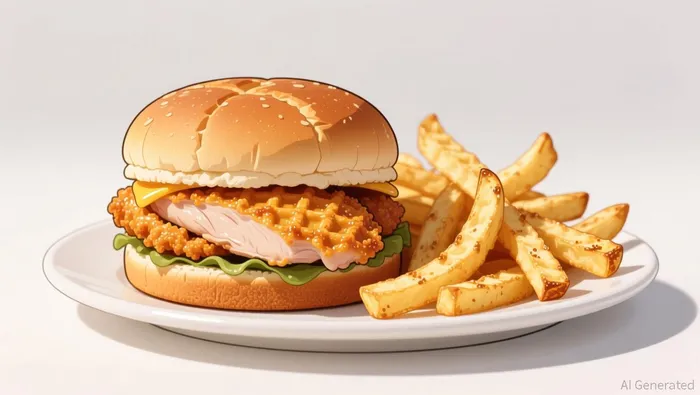
Chick-fil-A has long been a staple of American fast food with its signature chicken sandwiches and Waffle Potato Fries. But in 2024, the brand made a change that caught many by surprise—and sparked widespread debate. The shift from NAE chicken to NAIHM chicken, announced through a press release and not a public-facing campaign, has led to confusion and concern among loyal customers. Some are questioning the quality of their favorite meal, citing changes in taste, texture, and even health-related side effects. Others are skeptical about the company's transparency. This raises a key question for investors: What does this change mean for the brand's long-term appeal and its bottom line?
Why Is Chick-fil-A's Chicken Change Drawing So Much Attention?
Chick-fil-A's switch from NAE chicken (chicken raised without antibiotics) to NAIHM chicken (where only antibiotics not used in human medicine are allowed) was framed as a necessary move to address supply chain limitations. But the transition was not widely announced, and many customers only learned about it through social media or word of mouth. This lack of communication has fueled speculation and mistrust, with some customers claiming the new chicken is heavier and harder to digest. Others have raised concerns that the change might lead to antibiotic resistance or other health issues. While health experts have not found evidence linking the switch to digestive problems, the perception is what matters most for a brand built on customer loyalty.
The issue is not just about antibiotics—it's also about transparency. Chick-fil-A is known for its high standards in food quality and sourcing, and this shift has made some question whether those standards are being compromised. In the fast-food industry, where trust can be fragile, even a small change in ingredients or sourcing can have a ripple effect on brand reputation.
What Are the Risks for Chick-fil-A and Its Investors?
From an investor's standpoint, the key risk is not necessarily the chicken itself but how consumers are reacting to it. If enough customers perceive the change as a decline in quality or a lack of transparency, it could hurt sales, especially among the brand's loyal customer base. Social media has amplified these concerns, and the online chatter is often anecdotal—yet powerful in shaping public perception. While the company insists the chicken is still safe and of high quality, the broader conversation about antibiotic use in livestock and food safety remains a sensitive issue for many.







Comentarios
Aún no hay comentarios