
Chevron's Slower US Crude Growth Clouds Port Project Outlook
Generado por agente de IAClyde Morgan
sábado, 8 de febrero de 2025, 9:56 am ET2 min de lectura
CVX--
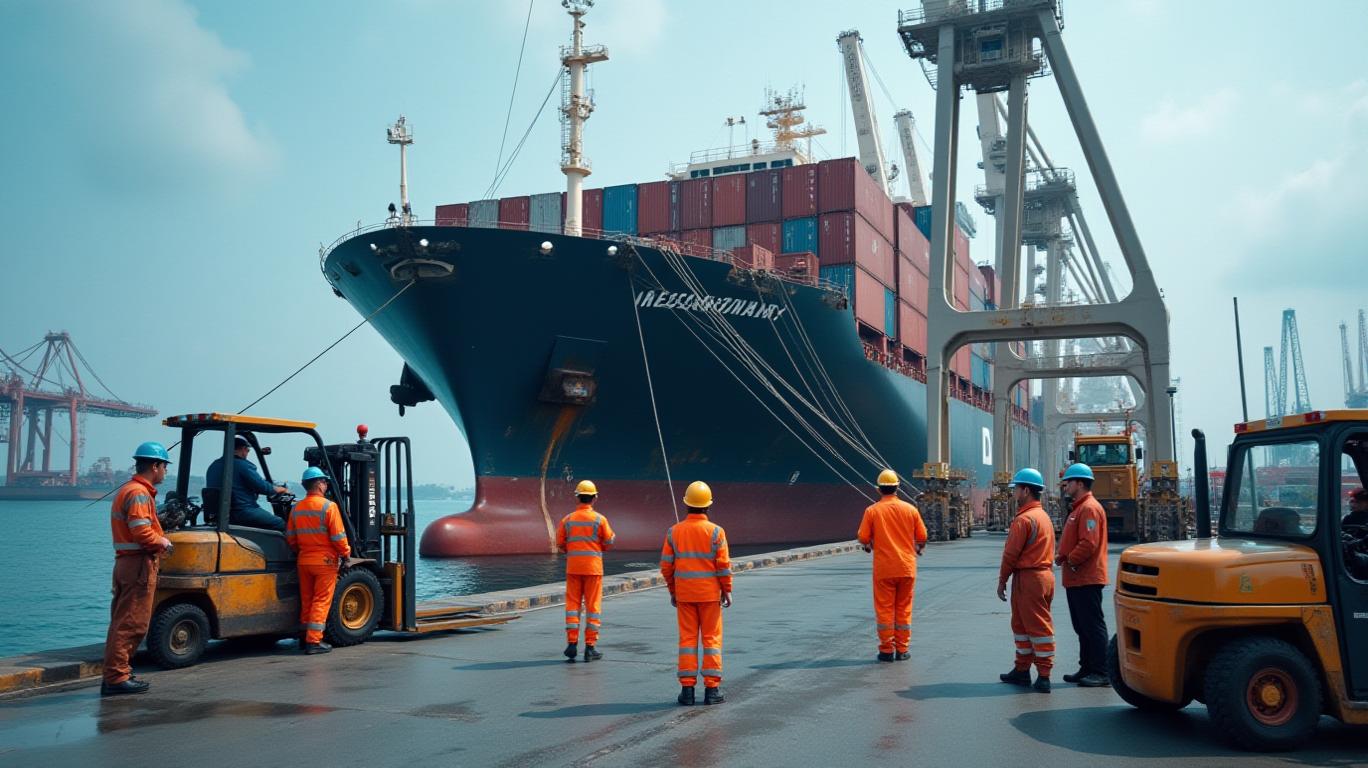
The slowdown in US crude oil production growth, as indicated by Chevron's reduced capital expenditures and production guidance, has cast a pall over the outlook for port projects. With lower production growth, there is less need for new port infrastructure to handle increased crude oil exports, leading to a decrease in new port construction projects and related investments. Existing port infrastructure may not require as much expansion to accommodate lower production volumes, resulting in slower growth in investments for expanding and upgrading existing ports. Additionally, decreased demand for port services such as loading, unloading, and storage can lead to reduced investments in these services. The slowdown in port infrastructure development and related investments can have a ripple effect on other industries, such as shipping, logistics, and construction, which may experience slower growth or reduced demand for their services.
The geopolitical landscape, particularly the Russia-Ukraine conflict and OPEC+ production cuts, has significantly influenced the demand for US crude oil exports and port infrastructure. The conflict has led to sanctions against Russian crude oil exports, reducing global supply and increasing demand for alternative sources. This has boosted the demand for US crude oil exports, as the US is one of the few countries with the capacity to increase production and exports. For instance, in 2022, US crude oil exports to Europe increased by 25% compared to the previous year, reaching 1.2 million barrels per day (mbpd). OPEC+ countries, including Russia, have implemented production cuts to manage global oil supply and maintain prices. These cuts have further tightened the global oil market, driving up demand for US crude oil exports. For example, in 2022, OPEC+ countries agreed to cut production by 2 million barrels per day (mbpd), which has supported higher oil prices and increased demand for US exports. The increased demand for US crude oil exports has put pressure on US port infrastructure, with the US investing in expanding and upgrading its port infrastructure to accommodate the growing exports. For instance, the Port of Corpus Christi in Texas has been expanding its crude oil export capacity, aiming to become the largest crude oil export port in the US.
However, the increased demand for US crude oil exports and the need for robust port infrastructure have also led to market volatility, with oil prices fluctuating significantly. This volatility can impact the demand for US crude oil exports and the need for robust port infrastructure. For example, in 2022, the Brent crude oil price fluctuated between $70 and $140 per barrel, reflecting the market's response to geopolitical events.
In conclusion, the slowdown in US crude oil production growth, driven by Chevron's reduced capital expenditures and production guidance, has cast a pall over the outlook for port projects. The geopolitical landscape, particularly the Russia-Ukraine conflict and OPEC+ production cuts, has significantly influenced the demand for US crude oil exports and port infrastructure. The increased demand for US crude oil exports has put pressure on US port infrastructure, with the US investing in expanding and upgrading its port infrastructure to accommodate the growing exports. However, the increased demand for US crude oil exports and the need for robust port infrastructure have also led to market volatility, with oil prices fluctuating significantly. This volatility can impact the demand for US crude oil exports and the need for robust port infrastructure.
ILPT--
The slowdown in US crude oil production growth, as indicated by Chevron's reduced capital expenditures and production guidance, has cast a pall over the outlook for port projects. With lower production growth, there is less need for new port infrastructure to handle increased crude oil exports, leading to a decrease in new port construction projects and related investments. Existing port infrastructure may not require as much expansion to accommodate lower production volumes, resulting in slower growth in investments for expanding and upgrading existing ports. Additionally, decreased demand for port services such as loading, unloading, and storage can lead to reduced investments in these services. The slowdown in port infrastructure development and related investments can have a ripple effect on other industries, such as shipping, logistics, and construction, which may experience slower growth or reduced demand for their services.
The geopolitical landscape, particularly the Russia-Ukraine conflict and OPEC+ production cuts, has significantly influenced the demand for US crude oil exports and port infrastructure. The conflict has led to sanctions against Russian crude oil exports, reducing global supply and increasing demand for alternative sources. This has boosted the demand for US crude oil exports, as the US is one of the few countries with the capacity to increase production and exports. For instance, in 2022, US crude oil exports to Europe increased by 25% compared to the previous year, reaching 1.2 million barrels per day (mbpd). OPEC+ countries, including Russia, have implemented production cuts to manage global oil supply and maintain prices. These cuts have further tightened the global oil market, driving up demand for US crude oil exports. For example, in 2022, OPEC+ countries agreed to cut production by 2 million barrels per day (mbpd), which has supported higher oil prices and increased demand for US exports. The increased demand for US crude oil exports has put pressure on US port infrastructure, with the US investing in expanding and upgrading its port infrastructure to accommodate the growing exports. For instance, the Port of Corpus Christi in Texas has been expanding its crude oil export capacity, aiming to become the largest crude oil export port in the US.
However, the increased demand for US crude oil exports and the need for robust port infrastructure have also led to market volatility, with oil prices fluctuating significantly. This volatility can impact the demand for US crude oil exports and the need for robust port infrastructure. For example, in 2022, the Brent crude oil price fluctuated between $70 and $140 per barrel, reflecting the market's response to geopolitical events.
In conclusion, the slowdown in US crude oil production growth, driven by Chevron's reduced capital expenditures and production guidance, has cast a pall over the outlook for port projects. The geopolitical landscape, particularly the Russia-Ukraine conflict and OPEC+ production cuts, has significantly influenced the demand for US crude oil exports and port infrastructure. The increased demand for US crude oil exports has put pressure on US port infrastructure, with the US investing in expanding and upgrading its port infrastructure to accommodate the growing exports. However, the increased demand for US crude oil exports and the need for robust port infrastructure have also led to market volatility, with oil prices fluctuating significantly. This volatility can impact the demand for US crude oil exports and the need for robust port infrastructure.

Divulgación editorial y transparencia de la IA: Ainvest News utiliza tecnología avanzada de Modelos de Lenguaje Largo (LLM) para sintetizar y analizar datos de mercado en tiempo real. Para garantizar los más altos estándares de integridad, cada artículo se somete a un riguroso proceso de verificación con participación humana.
Mientras la IA asiste en el procesamiento de datos y la redacción inicial, un miembro editorial profesional de Ainvest revisa, verifica y aprueba de forma independiente todo el contenido para garantizar su precisión y cumplimiento con los estándares editoriales de Ainvest Fintech Inc. Esta supervisión humana está diseñada para mitigar las alucinaciones de la IA y garantizar el contexto financiero.
Advertencia sobre inversiones: Este contenido se proporciona únicamente con fines informativos y no constituye asesoramiento profesional de inversión, legal o financiero. Los mercados conllevan riesgos inherentes. Se recomienda a los usuarios que realicen una investigación independiente o consulten a un asesor financiero certificado antes de tomar cualquier decisión. Ainvest Fintech Inc. se exime de toda responsabilidad por las acciones tomadas con base en esta información. ¿Encontró un error? Reportar un problema




Comentarios
Aún no hay comentarios