
Chevron's Cost Cutting: A 25% Trim to Low-Carbon Spending
Generado por agente de IAWesley Park
viernes, 6 de diciembre de 2024, 11:39 am ET2 min de lectura
CVX--
In a strategic move aimed at maintaining financial strength, Chevron Corporation (NYSE: CVX) has announced a significant reduction in its low-carbon spending, a 25% cut as part of its broader belt-tightening efforts. This decision, unveiled in the company's 2024 Q4 interim update, raises intriguing questions about Chevron's commitment to sustainability and its near-term emissions reduction targets. By analyzing the implications of this move, we can gain valuable insights into the company's strategic direction and potential long-term impact on its competitive position in the global low-carbon market.
The reduction in low-carbon spending is part of Chevron's broader cost-cutting plan, totaling $10 billion. This includes $7 billion from structural cost savings and $3 billion from capital expenditure reductions. The $3.5 billion cut in low-carbon spending accounts for approximately 25% of the company's planned expenditures in this area. While the immediate financial benefits of this move are clear, the impact on Chevron's sustainability goals and market positioning is more complex.
Chevron's commitment to lowering its carbon intensity is well-documented. In 2023, the company set a target to reduce its carbon emissions intensity to 24 kg per barrel of oil equivalent (boe) by 2028 (Number: 2). The 25% reduction in low-carbon spending may seem counterintuitive to this goal, as it could potentially delay the implementation of abatement projects. However, Chevron's existing projects, such as its methane emissions reduction (53% from 2016) and natural gas flaring (66% reduction), will continue to contribute to emissions reduction.
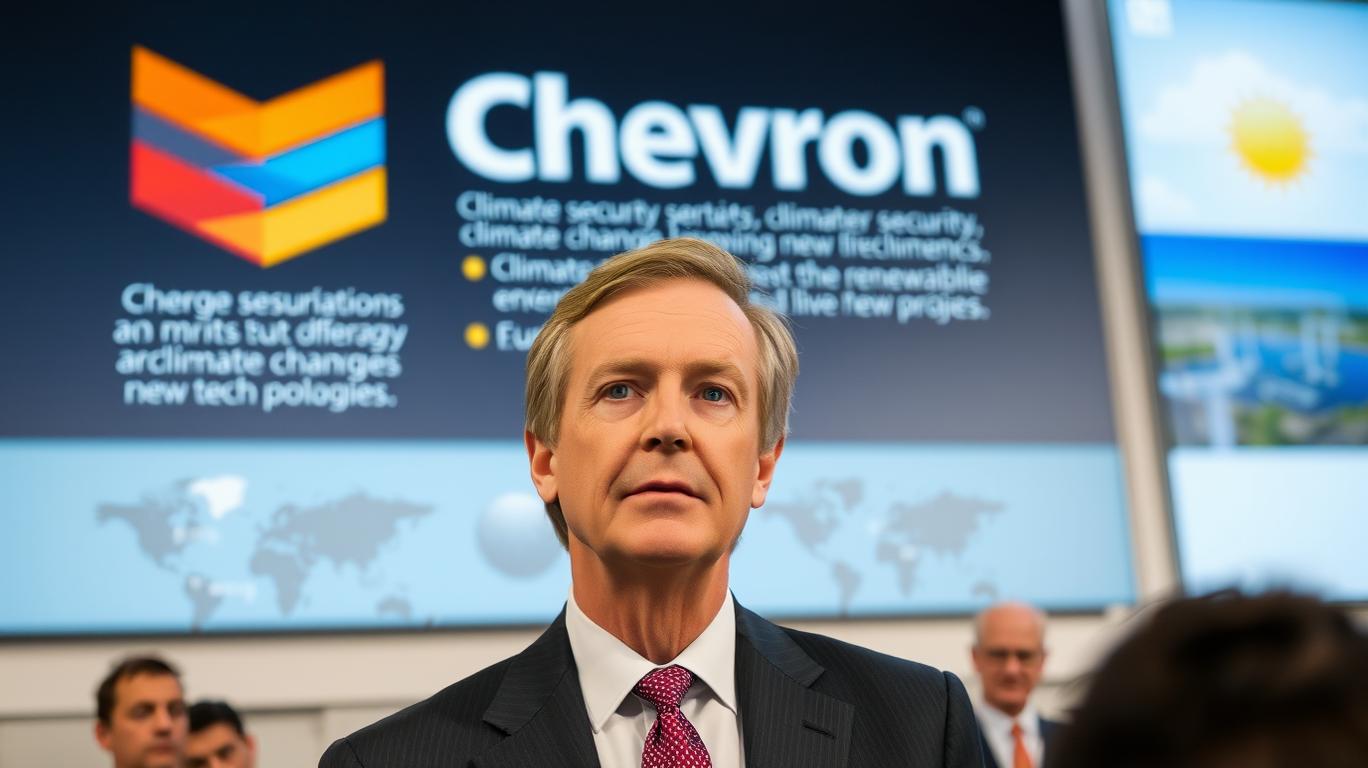
The strategic shift in Chevron's energy portfolio, driven by this reduction, is expected to focus on high-return, lower-carbon projects while reducing spending in less profitable areas. This alignment with Chevron's commitment to cost and capital discipline is evident in their 2025 capex budget announcement (Number: 0). The company plans to invest more in the Permian Basin, where production growth is expected to decrease in favor of free cash flow. This strategic move aims to balance the need for sustainable energy with the pursuit of profitability.
The impact of this reduction on Chevron's competitive position in the global low-carbon market is a critical consideration. As of Q4 2024, Chevron planned organic capex of $15 billion, with $1.5 billion dedicated to lowering carbon intensity. A $375 million cut (25% of $1.5 billion) might slow Chevron's progress towards its 2028 carbon intensity target. However, Chevron remains committed to lowering emissions, as evidenced by its 2023 guidance to reduce methane emissions intensity by 53% and oil net GHG emissions intensity by 40% by 2028 (Number 2).
In conclusion, Chevron's 25% reduction in low-carbon spending is a strategic move aimed at maintaining financial strength amidst belt tightening. While the immediate financial benefits are clear, the potential impact on Chevron's sustainability goals and market positioning is more complex. The company's commitment to cost and capital discipline, coupled with its ongoing emissions reduction projects, suggests that this move may be a temporary setback in its long-term sustainability efforts. As Chevron continues to navigate the evolving energy landscape, investors should monitor the company's progress towards its 2028 carbon intensity target and its strategic allocation of resources in the low-carbon market.
By understanding Chevron's strategic direction and the implications of this cost-cutting move, investors can make informed decisions about their portfolios and assess the potential long-term impact on the company's competitive position in the global low-carbon market. As the energy transition continues, the success of companies like Chevron will depend on their ability to balance financial performance with sustainability goals and adapt to the changing market landscape.
In a strategic move aimed at maintaining financial strength, Chevron Corporation (NYSE: CVX) has announced a significant reduction in its low-carbon spending, a 25% cut as part of its broader belt-tightening efforts. This decision, unveiled in the company's 2024 Q4 interim update, raises intriguing questions about Chevron's commitment to sustainability and its near-term emissions reduction targets. By analyzing the implications of this move, we can gain valuable insights into the company's strategic direction and potential long-term impact on its competitive position in the global low-carbon market.
The reduction in low-carbon spending is part of Chevron's broader cost-cutting plan, totaling $10 billion. This includes $7 billion from structural cost savings and $3 billion from capital expenditure reductions. The $3.5 billion cut in low-carbon spending accounts for approximately 25% of the company's planned expenditures in this area. While the immediate financial benefits of this move are clear, the impact on Chevron's sustainability goals and market positioning is more complex.
Chevron's commitment to lowering its carbon intensity is well-documented. In 2023, the company set a target to reduce its carbon emissions intensity to 24 kg per barrel of oil equivalent (boe) by 2028 (Number: 2). The 25% reduction in low-carbon spending may seem counterintuitive to this goal, as it could potentially delay the implementation of abatement projects. However, Chevron's existing projects, such as its methane emissions reduction (53% from 2016) and natural gas flaring (66% reduction), will continue to contribute to emissions reduction.
The strategic shift in Chevron's energy portfolio, driven by this reduction, is expected to focus on high-return, lower-carbon projects while reducing spending in less profitable areas. This alignment with Chevron's commitment to cost and capital discipline is evident in their 2025 capex budget announcement (Number: 0). The company plans to invest more in the Permian Basin, where production growth is expected to decrease in favor of free cash flow. This strategic move aims to balance the need for sustainable energy with the pursuit of profitability.
The impact of this reduction on Chevron's competitive position in the global low-carbon market is a critical consideration. As of Q4 2024, Chevron planned organic capex of $15 billion, with $1.5 billion dedicated to lowering carbon intensity. A $375 million cut (25% of $1.5 billion) might slow Chevron's progress towards its 2028 carbon intensity target. However, Chevron remains committed to lowering emissions, as evidenced by its 2023 guidance to reduce methane emissions intensity by 53% and oil net GHG emissions intensity by 40% by 2028 (Number 2).
In conclusion, Chevron's 25% reduction in low-carbon spending is a strategic move aimed at maintaining financial strength amidst belt tightening. While the immediate financial benefits are clear, the potential impact on Chevron's sustainability goals and market positioning is more complex. The company's commitment to cost and capital discipline, coupled with its ongoing emissions reduction projects, suggests that this move may be a temporary setback in its long-term sustainability efforts. As Chevron continues to navigate the evolving energy landscape, investors should monitor the company's progress towards its 2028 carbon intensity target and its strategic allocation of resources in the low-carbon market.
By understanding Chevron's strategic direction and the implications of this cost-cutting move, investors can make informed decisions about their portfolios and assess the potential long-term impact on the company's competitive position in the global low-carbon market. As the energy transition continues, the success of companies like Chevron will depend on their ability to balance financial performance with sustainability goals and adapt to the changing market landscape.

Divulgación editorial y transparencia de la IA: Ainvest News utiliza tecnología avanzada de Modelos de Lenguaje Largo (LLM) para sintetizar y analizar datos de mercado en tiempo real. Para garantizar los más altos estándares de integridad, cada artículo se somete a un riguroso proceso de verificación con participación humana.
Mientras la IA asiste en el procesamiento de datos y la redacción inicial, un miembro editorial profesional de Ainvest revisa, verifica y aprueba de forma independiente todo el contenido para garantizar su precisión y cumplimiento con los estándares editoriales de Ainvest Fintech Inc. Esta supervisión humana está diseñada para mitigar las alucinaciones de la IA y garantizar el contexto financiero.
Advertencia sobre inversiones: Este contenido se proporciona únicamente con fines informativos y no constituye asesoramiento profesional de inversión, legal o financiero. Los mercados conllevan riesgos inherentes. Se recomienda a los usuarios que realicen una investigación independiente o consulten a un asesor financiero certificado antes de tomar cualquier decisión. Ainvest Fintech Inc. se exime de toda responsabilidad por las acciones tomadas con base en esta información. ¿Encontró un error? Reportar un problema


SOBRE NOSOTROS
Nuestra historiaAutores de noticiasBase de conocimientosPolítica de privacidadTérmino de usoDescargo de responsabilidad de corretaje de tercerosTérminos de uso de AIMEDivulgaciones de riesgos de AInvest AICarrerasCONTÁCTENOS
Email: support@ainvest.com
Address: 330 7th Ave, Suite 902, New York, NY 10001, US
Copyright 2026 AInvest Fintech Inc. All rights reserved.


Comentarios
Aún no hay comentarios