
Chevron's Gas Plants: Powering AI Data Centers and Driving Energy Transition
Generado por agente de IACyrus Cole
martes, 28 de enero de 2025, 9:38 am ET2 min de lectura
CVX--
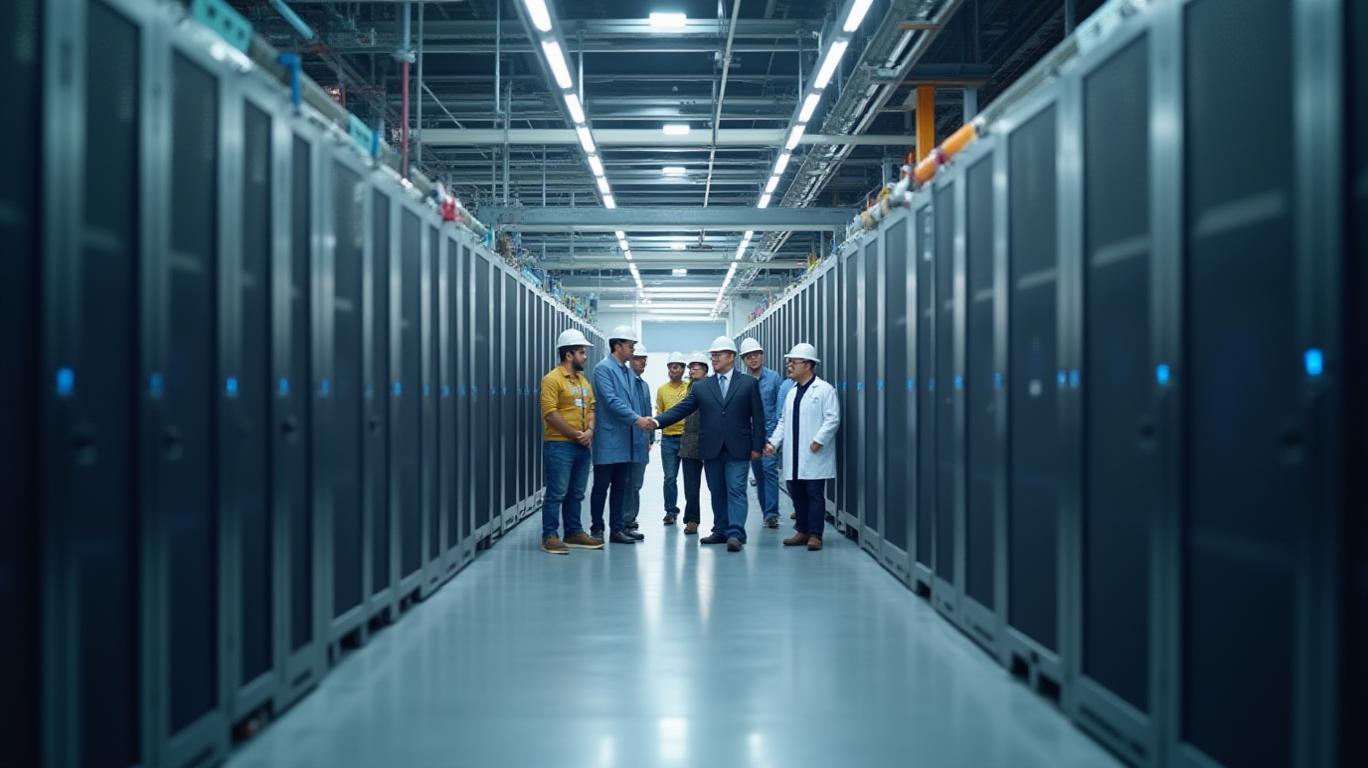
In a strategic move to capitalize on the growing demand for electricity from AI data centers, Chevron, a multinational energy corporation, has announced plans to build natural gas-fired power plants. This initiative aligns with the company's broader business strategy of leveraging its expertise in natural gas and carbon capture technologies to meet emerging energy needs. The following article explores the implications of Chevron's entry into the power generation sector, driven by AI data center demand.
Meeting the Growing Demand for Electricity from AI Data Centers
The construction of natural gas-fired power plants by Chevron addresses the growing electricity demand from AI data centers by providing a reliable and scalable source of power. These plants can be built quickly and efficiently, allowing Chevron to meet the immediate needs of data centers while minimizing the environmental impact. By using natural gas as a fuel source, these plants emit less carbon dioxide than coal-fired plants, making them a more environmentally friendly option. Additionally, Chevron is exploring the use of carbon capture and storage (CCS) technology to further reduce the emissions from these plants. This approach allows Chevron to meet the growing demand for electricity from AI data centers while minimizing the environmental impact.
Aligning with Energy Transition Goals
Chevron's gas plant projects are expected to be operational within the next five years, aligning with the projected growth in AI data center demand and the energy transition goals. The company's focus on natural gas and carbon capture technology demonstrates its commitment to meeting the growing demand for low-carbon electricity while minimizing emissions and exploring long-term, low-carbon alternatives. By investing in natural gas and exploring small modular nuclear reactors (SMRs) as potential solutions, Chevron is positioning itself to address the immediate needs of AI-driven industries while considering long-term, low-carbon alternatives.
Strategic and Economic Implications for Chevron
Chevron's entry into the power generation sector, driven by the growing demand for electricity from AI data centers, represents a strategic pivot for the company, diversifying its revenue streams and positioning it to capitalize on the expanding market for low-carbon power. This move aligns with the company's broader business strategy of leveraging its expertise in natural gas and carbon capture technologies to meet emerging energy needs.
1. New revenue streams: By supplying power to AI data centers, Chevron can generate stable, long-term revenue independent of oil price volatility. This diversification can help mitigate risks associated with fluctuations in commodity prices and enhance the company's financial resilience.
2. Capital efficiency: Chevron's focus on capital discipline and efficiency, as highlighted by Mike Wirth, enables the company to maximize returns on investment in new projects. By optimizing spending and leveraging advanced technologies, Chevron can grow its production base and power generation capacity while maintaining fiscal responsibility.
3. ESG considerations: Chevron's commitment to reducing emissions and embracing lower-carbon technologies, such as carbon capture and storage (CCS), positions the company well in the evolving energy landscape. By addressing the growing demand for low-carbon electricity, Chevron can enhance its environmental stewardship and appeal to socially responsible investors.
4. Financial projections: Chevron's entry into the power generation sector could have significant financial implications. Based on current natural gas power plant construction costs, the planned 4GW capacity development represents approximately $4-5 billion in potential infrastructure investment. This investment could generate substantial revenue, considering the high demand for electricity from AI data centers and the potential for surplus power sales to the grid.
In conclusion, Chevron's entry into the power generation sector, driven by AI data center demand, aligns with the company's overall business strategy of capital efficiency, diversification, and embracing lower-carbon technologies. This move can generate new revenue streams, enhance financial projections, and strengthen Chevron's position in the evolving energy landscape.
In a strategic move to capitalize on the growing demand for electricity from AI data centers, Chevron, a multinational energy corporation, has announced plans to build natural gas-fired power plants. This initiative aligns with the company's broader business strategy of leveraging its expertise in natural gas and carbon capture technologies to meet emerging energy needs. The following article explores the implications of Chevron's entry into the power generation sector, driven by AI data center demand.
Meeting the Growing Demand for Electricity from AI Data Centers
The construction of natural gas-fired power plants by Chevron addresses the growing electricity demand from AI data centers by providing a reliable and scalable source of power. These plants can be built quickly and efficiently, allowing Chevron to meet the immediate needs of data centers while minimizing the environmental impact. By using natural gas as a fuel source, these plants emit less carbon dioxide than coal-fired plants, making them a more environmentally friendly option. Additionally, Chevron is exploring the use of carbon capture and storage (CCS) technology to further reduce the emissions from these plants. This approach allows Chevron to meet the growing demand for electricity from AI data centers while minimizing the environmental impact.
Aligning with Energy Transition Goals
Chevron's gas plant projects are expected to be operational within the next five years, aligning with the projected growth in AI data center demand and the energy transition goals. The company's focus on natural gas and carbon capture technology demonstrates its commitment to meeting the growing demand for low-carbon electricity while minimizing emissions and exploring long-term, low-carbon alternatives. By investing in natural gas and exploring small modular nuclear reactors (SMRs) as potential solutions, Chevron is positioning itself to address the immediate needs of AI-driven industries while considering long-term, low-carbon alternatives.
Strategic and Economic Implications for Chevron
Chevron's entry into the power generation sector, driven by the growing demand for electricity from AI data centers, represents a strategic pivot for the company, diversifying its revenue streams and positioning it to capitalize on the expanding market for low-carbon power. This move aligns with the company's broader business strategy of leveraging its expertise in natural gas and carbon capture technologies to meet emerging energy needs.
1. New revenue streams: By supplying power to AI data centers, Chevron can generate stable, long-term revenue independent of oil price volatility. This diversification can help mitigate risks associated with fluctuations in commodity prices and enhance the company's financial resilience.
2. Capital efficiency: Chevron's focus on capital discipline and efficiency, as highlighted by Mike Wirth, enables the company to maximize returns on investment in new projects. By optimizing spending and leveraging advanced technologies, Chevron can grow its production base and power generation capacity while maintaining fiscal responsibility.
3. ESG considerations: Chevron's commitment to reducing emissions and embracing lower-carbon technologies, such as carbon capture and storage (CCS), positions the company well in the evolving energy landscape. By addressing the growing demand for low-carbon electricity, Chevron can enhance its environmental stewardship and appeal to socially responsible investors.
4. Financial projections: Chevron's entry into the power generation sector could have significant financial implications. Based on current natural gas power plant construction costs, the planned 4GW capacity development represents approximately $4-5 billion in potential infrastructure investment. This investment could generate substantial revenue, considering the high demand for electricity from AI data centers and the potential for surplus power sales to the grid.
In conclusion, Chevron's entry into the power generation sector, driven by AI data center demand, aligns with the company's overall business strategy of capital efficiency, diversification, and embracing lower-carbon technologies. This move can generate new revenue streams, enhance financial projections, and strengthen Chevron's position in the evolving energy landscape.

Divulgación editorial y transparencia de la IA: Ainvest News utiliza tecnología avanzada de Modelos de Lenguaje Largo (LLM) para sintetizar y analizar datos de mercado en tiempo real. Para garantizar los más altos estándares de integridad, cada artículo se somete a un riguroso proceso de verificación con participación humana.
Mientras la IA asiste en el procesamiento de datos y la redacción inicial, un miembro editorial profesional de Ainvest revisa, verifica y aprueba de forma independiente todo el contenido para garantizar su precisión y cumplimiento con los estándares editoriales de Ainvest Fintech Inc. Esta supervisión humana está diseñada para mitigar las alucinaciones de la IA y garantizar el contexto financiero.
Advertencia sobre inversiones: Este contenido se proporciona únicamente con fines informativos y no constituye asesoramiento profesional de inversión, legal o financiero. Los mercados conllevan riesgos inherentes. Se recomienda a los usuarios que realicen una investigación independiente o consulten a un asesor financiero certificado antes de tomar cualquier decisión. Ainvest Fintech Inc. se exime de toda responsabilidad por las acciones tomadas con base en esta información. ¿Encontró un error? Reportar un problema


SOBRE NOSOTROS
Nuestra historiaAutores de noticiasBase de conocimientosPolítica de privacidadTérmino de usoDescargo de responsabilidad de corretaje de tercerosTérminos de uso de AIMEDivulgaciones de riesgos de AInvest AICarrerasCONTÁCTENOS
Email: support@ainvest.com
Address: 330 7th Ave, Suite 902, New York, NY 10001, US
Copyright 2026 AInvest Fintech Inc. All rights reserved.


Comentarios
Aún no hay comentarios