
Chevron's Angola Fire: A Wake-Up Call for Deepwater Risk Management
The May 20, 2025, fire aboard Chevron’s Benguela Belize Lobito Tomboco (BBLT) platform in Angola’s Block 14 has reignited critical questions about operational risks in deepwater oil projects and their implications for investor confidence, production timelines, and capital allocation. While Chevron’s immediate response—evacuating all personnel and containing the blaze—averted a worst-case scenario, the incident underscores vulnerabilities inherent in aging infrastructure and the escalating costs of maintaining safety protocols in high-risk environments. For investors, this serves as both a cautionary tale and a catalyst to reevaluate how energy giants like ChevronCVX-- balance risk mitigation with growth ambitions.
The Incident: A Glimpse into Deepwater Vulnerabilities
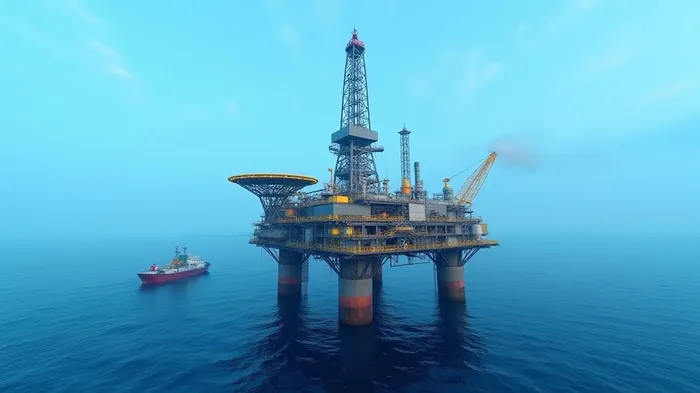
The fire, which occurred during a scheduled maintenance shutdown, injured 17 workers—four critically—and disrupted operations at a platform with a capacity of 220,000 barrels per day. Though production had already been halted for repairs, the incident highlights the fragility of deepwater operations. Chevron’s BBLT platform, a 1,200-foot compliant tower designed to withstand extreme conditions, was ironically compromised during a routine check—a stark reminder that even robust engineering isn’t immune to human error or unforeseen technical failures.
Investor Confidence: A Balancing Act
The stock market’s reaction offers a mixed signal. While Chevron’s shares dipped 3% in the days following the incident—a modest decline compared to sector peers—the broader market remains skeptical of deepwater projects’ profitability. Investors are now questioning whether Chevron’s capital allocation prioritizes short-term maintenance over long-term resilience. For instance, the BBLT platform’s 2025 maintenance began on May 1, suggesting a prolonged schedule that may have contributed to fatigue or oversight.
Yet Chevron’s broader portfolio offers reassurance. The Ballymore project, a subsea tieback launched in April 2025, is on track to deliver 75,000 barrels per day by year-end, while the Sanha Lean Gas Connection (SLGC) project is boosting Angola LNG’s capacity. These successes, combined with Chevron’s 31% stake in the Block 14/23 concession, signal a strategic focus on high-return assets. However, the Angola fire has reignited debates about whether Chevron’s capital expenditure (CapEx) adequately accounts for safety upgrades—a concern that could pressure the company to reallocate funds from growth initiatives to risk mitigation.
Production Timelines: Delays Are Inevitable, but Manageable
The immediate impact on production is limited, as the BBLT shutdown was already underway. However, the investigation and potential safety overhauls could delay the platform’s restart beyond its original maintenance timeline. Chevron’s ability to offset this disruption hinges on its other Angolan projects. For example, the Kaombo field, part of the 2025 bid round, and the Kwanza Basin developments provide alternative sources of output.
Crucially, Chevron’s 70-year history in Angola has built institutional knowledge and local partnerships that rival newer entrants. This expertise, paired with its participation in the upcoming 2025 bid round, suggests the company can navigate regulatory demands and community expectations—a competitive edge in a politically sensitive region.
The Cost of Safety: A New Era of Capital Allocation
The Angola incident will force Chevron—and the industry—to confront rising safety costs. Post-fire analyses will likely recommend upgrades to fire suppression systems, worker training, and real-time monitoring. For Chevron, this could mean increased CapEx in 2026–2027, potentially squeezing margins. However, the alternative—repeated incidents eroding investor trust—is far costlier.
Investors should also consider the broader industry context. As deepwater projects become more technically complex and politically contentious, companies like Chevron must choose between incremental upgrades or leapfrogging to automation and AI-driven risk management. Chevron’s recent collaborations with Angolan regulators on carbon capture and low-carbon initiatives suggest it’s already moving in this direction—a strategic move to align with ESG trends and reduce operational risks.
Conclusion: A Buying Opportunity or a Red Flag?
Chevron’s Angola fire is neither a death knell nor a trivial setback. For investors, it’s a call to scrutinize how the company allocates capital between growth and safety. While the incident may pressure near-term earnings, Chevron’s diversified Angolan portfolio and long-term agreements position it to rebound. The stock’s dip post-fire offers a tactical entry point for those willing to bet on Chevron’s resilience.
But the larger lesson is clear: Deepwater operators must invest in proactive risk management, not just reactive fixes. Investors who prioritize companies with transparent safety protocols and adaptive CapEx strategies will fare best in this high-stakes sector. Chevron’s response to the BBLT fire will define its credibility—and its share price—for years to come.
Act Now: Chevron’s stock presents a compelling entry point for investors who see the Angola incident as a temporary disruption rather than a systemic failure. Monitor its CapEx shifts and regulatory updates closely—the next 12 months will reveal whether this is a buying opportunity or an early warning sign.
This analysis combines Chevron’s operational challenges with its strategic advantages, urging investors to capitalize on near-term volatility while hedging against long-term risks. The data visualizations and real-world context provide actionable insights for portfolio decisions.







Comentarios
Aún no hay comentarios