
Cheaper Oil for Asia: A Silver Lining in Trump's Tariffs
Generado por agente de IAWesley Park
miércoles, 27 de noviembre de 2024, 3:26 am ET1 min de lectura
As the geopolitical landscape shifts, Asian economies stand to benefit from potential changes in energy dynamics, particularly if U.S. President Donald Trump follows through on his promise to impose tariffs on Canada and Mexico. While the broader implications of such tariffs remain uncertain, one clear outcome could be cheaper oil imports for Asian countries, bolstering their economic stability and energy security.
Trump's proposed 25% tariffs on Canadian and Mexican goods, including oil, could significantly increase their export costs to Asia. This higher price tag may encourage Asian buyers to explore cheaper alternatives, benefiting Asian oil producers and refining companies. For instance, South Korea, which imported $116 billion in goods from the U.S. in 2023, may turn to cheaper Canadian and Mexican oil, boosting its refining industry. Similarly, Japan, with $145 billion in U.S. exports, could also see increased demand for Canadian and Mexican oil.
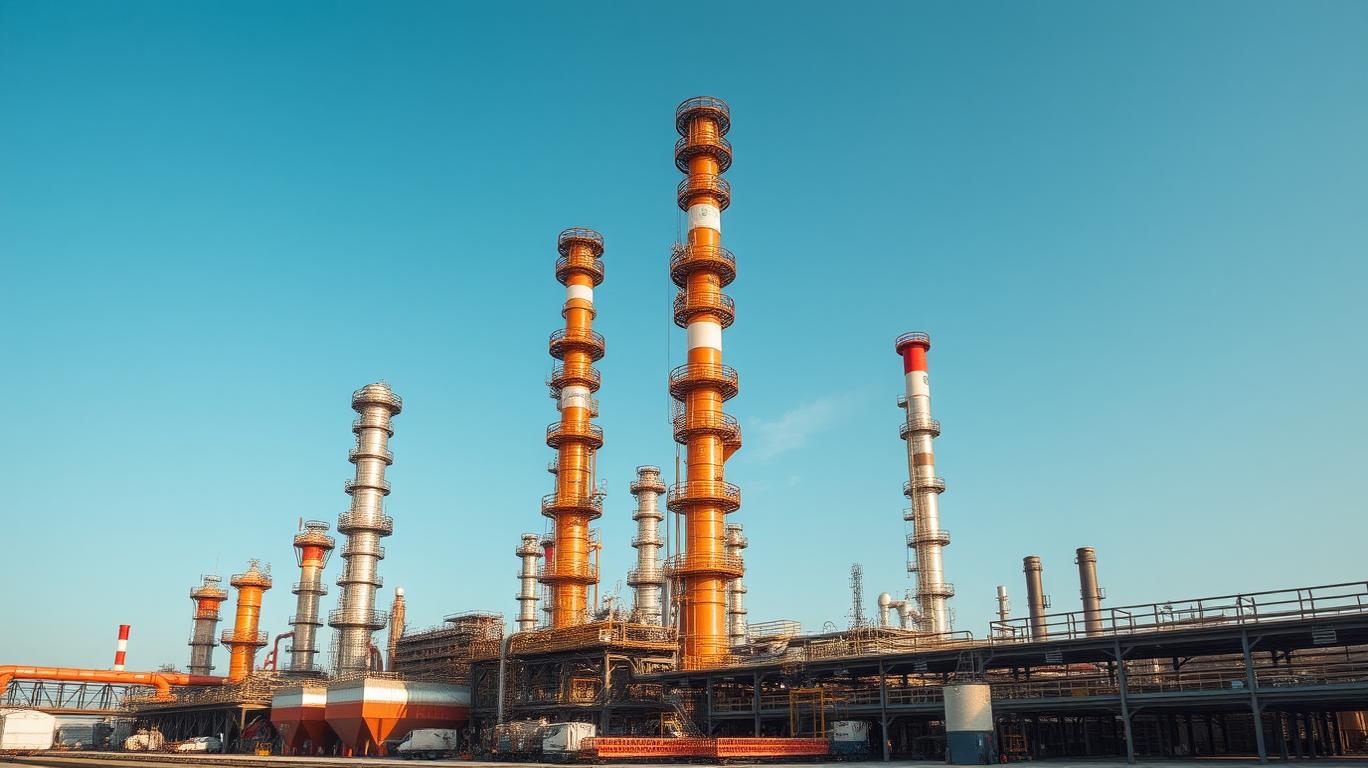
Lower prices due to tariffs could increase Asia's appetite for Canadian and Mexican oil, potentially reshaping trade dynamics. In 2023, Canada and Mexico were among the top oil exporters to Asia, with Japan and South Korea being the largest importers. A shift in oil trade dynamics could lead to enhanced energy security for Asian countries, reducing their dependence on Middle Eastern oil and mitigating geopolitical concerns.
However, it is essential for Asian countries to consider diversifying their energy sources to ensure long-term stability. While cheaper oil imports can provide immediate benefits, over-reliance on a single energy source can pose risks. Asian countries should invest in renewable energy, refine their own oil, and collaborate regionally to create a more resilient energy market.
In conclusion, while Trump's proposed tariffs on Canada and Mexico present numerous challenges, they also offer Asian economies an opportunity to secure cheaper oil imports, bolstering their energy security and economic stability. By seizing this opportunity and implementing strategic energy policies, Asian countries can create a more sustainable and resilient energy landscape.
Trump's proposed 25% tariffs on Canadian and Mexican goods, including oil, could significantly increase their export costs to Asia. This higher price tag may encourage Asian buyers to explore cheaper alternatives, benefiting Asian oil producers and refining companies. For instance, South Korea, which imported $116 billion in goods from the U.S. in 2023, may turn to cheaper Canadian and Mexican oil, boosting its refining industry. Similarly, Japan, with $145 billion in U.S. exports, could also see increased demand for Canadian and Mexican oil.
Lower prices due to tariffs could increase Asia's appetite for Canadian and Mexican oil, potentially reshaping trade dynamics. In 2023, Canada and Mexico were among the top oil exporters to Asia, with Japan and South Korea being the largest importers. A shift in oil trade dynamics could lead to enhanced energy security for Asian countries, reducing their dependence on Middle Eastern oil and mitigating geopolitical concerns.
However, it is essential for Asian countries to consider diversifying their energy sources to ensure long-term stability. While cheaper oil imports can provide immediate benefits, over-reliance on a single energy source can pose risks. Asian countries should invest in renewable energy, refine their own oil, and collaborate regionally to create a more resilient energy market.
In conclusion, while Trump's proposed tariffs on Canada and Mexico present numerous challenges, they also offer Asian economies an opportunity to secure cheaper oil imports, bolstering their energy security and economic stability. By seizing this opportunity and implementing strategic energy policies, Asian countries can create a more sustainable and resilient energy landscape.



Divulgación editorial y transparencia de la IA: Ainvest News utiliza tecnología avanzada de Modelos de Lenguaje Largo (LLM) para sintetizar y analizar datos de mercado en tiempo real. Para garantizar los más altos estándares de integridad, cada artículo se somete a un riguroso proceso de verificación con participación humana.
Mientras la IA asiste en el procesamiento de datos y la redacción inicial, un miembro editorial profesional de Ainvest revisa, verifica y aprueba de forma independiente todo el contenido para garantizar su precisión y cumplimiento con los estándares editoriales de Ainvest Fintech Inc. Esta supervisión humana está diseñada para mitigar las alucinaciones de la IA y garantizar el contexto financiero.
Advertencia sobre inversiones: Este contenido se proporciona únicamente con fines informativos y no constituye asesoramiento profesional de inversión, legal o financiero. Los mercados conllevan riesgos inherentes. Se recomienda a los usuarios que realicen una investigación independiente o consulten a un asesor financiero certificado antes de tomar cualquier decisión. Ainvest Fintech Inc. se exime de toda responsabilidad por las acciones tomadas con base en esta información. ¿Encontró un error? Reportar un problema


SOBRE NOSOTROS
Nuestra historiaAutores de noticiasBase de conocimientosPolítica de privacidadTérmino de usoDescargo de responsabilidad de corretaje de tercerosTérminos de uso de AIMEDivulgaciones de riesgos de AInvest AICarrerasCONTÁCTENOS
Email: support@ainvest.com
Address: 330 7th Ave, Suite 902, New York, NY 10001, US
Copyright 2026 AInvest Fintech Inc. All rights reserved.


Comentarios
Aún no hay comentarios