
Capítulo 11 para el licenciatario: El archivo de J.L.E.T. Enterprises y sus implicaciones para el sector minorista de productos para mascotas
El fin oficial de J.L.E.T. Enterprises ocurrió el 15 de enero de 2026, cuando el franquiciado con sede en Florida presentó una solicitud para terminar su relación con la empresa.Petición voluntaria según el Capítulo 11, Subcapítulo VSe trata de un mecanismo legal diseñado para las pequeñas empresas que desean reorganizarse. Sin embargo, el momento y el contexto indican que se trata más bien de un fracaso corporativo, en lugar de una posible vía de reestructuración viable. La solicitud de registro se produce después de una larga y costosa disputa legal con su licenciatario, Three Dog Bakery. Este conflicto terminó en mayo de 2025, lo que significó la terminación del acuerdo de franquicia.
El contexto inmediato es crítico. J.L.E.T. Enterprises, fundada en 2016 por Joseph y Lynette Naughton, operaba tiendas minoristas en Naples y Sarasota. Se especializaba en productos frescos horneados y servicios de cuidado del cabello. Su principal lugar de operación era The Shoppes at University Town Center, en Sarasota. La terminación de su licencia comercial en mayo de 2025 puso fin a su modelo de negocio principal, dejando a la empresa sin su principal fuente de ingresos. Este revés legal, más que una repentina conmoción en el mercado, fue lo que causó la bancarrota de la empresa.
Los desarrollos procedimentales en los días siguientes a la presentación de los documentos resaltan el estado precario en el que se encuentra la empresa. El 16 de enero, el tribunal nombró a un…Administrador del subcapítulo VMichael C. Markham será quien supervise el caso. Más urgentemente, la empresa presentó una solicitud para utilizar efectivo como garantía, apenas dos días después de presentar la petición. La empresa busca permiso para acceder a sus propios fondos a fin de cubrir los gastos operativos actuales. Este movimiento indica una grave situación de liquidez, donde incluso el capital necesario para las operaciones básicas está en duda. La empresa tiene hasta el 15 de abril de 2026 para presentar un plan de reorganización conforme a lo establecido en el Capítulo 11.
En resumen, se trata de un caso en el que un franquiciado falla en sus obligaciones. Los datos presentados destacan las presiones financieras y las vulnerabilidades legales inherentes al modelo de franquicia. En este contexto, la rescisión por parte del franquiciador puede ser un acontecimiento decisivo para el franquiciado. Para el sector minorista de productos para mascotas, cuyos gastos se proyectan en alrededor de 157 mil millones de dólares para el año 2025, esto representa un fracaso corporativo, no una crisis en el sector. Sin embargo, este caso sirve como un recordatorio de los riesgos que enfrentan los franquiciados cuando su relación con el socio de la marca se rompe.
Contexto más amplio: Desafíos en el sector de la venta minorista de mascotas y el modelo de franquicia
El sector minorista de mascotas opera en un contexto paradójico. Por un lado, cuenta con una demanda constante por parte de los consumidores. Se proyecta que los gastos de la industria en Estados Unidos podrían alcanzar un nivel elevado.157 mil millones en el año 2025Esto refleja una profunda integración cultural de los animales de compañía en los hogares. Por otro lado, la industria está atravesando un período de recalibración. El crecimiento más lento de la población de animales de compañía y el entorno consumidor más cauteloso están afectando el gasto discrecional de las personas. Esto crea una situación en la que incluso la demanda resistente enfrenta nuevas presiones.
Esta recalibración se debe a las condiciones macroeconómicas negativas. Los datos indican que el mercado laboral está en declive y la confianza de los consumidores es baja. Estos factores contribuyen a un entorno de gasto más cauteloso por parte de los propietarios de mascotas. La inflación, aunque está disminuyendo, sigue ejerciendo presión sobre los presupuestos de las familias. En septiembre, el Índice de Precios al Consumidor aumentó un 3% en comparación con el año anterior. Esto ha llevado a una economía en la que los hogares con mayores ingresos continúan comprando productos de alta calidad, mientras que otros prefieren optar por productos de menor calidad o posponer sus compras. El resultado es que este sector sigue creciendo, pero a un ritmo más lento. Además, la inflación es desigual entre diferentes categorías, como los servicios veterinarios y los suministros para mascotas.
En este contexto, el modelo de franquicia presenta una vulnerabilidad específica y grave. La relación entre las partes es bidireccional, pero la asimetría legal y financiera puede ser muy marcada. El caso de J.L.E.T. Enterprises es un ejemplo claro de cómo una disputa puede escalar hasta convertirse en un problema grave. La cancelación de la licencia de la marca por parte de Three Dog Bakery en mayo de 2025 fue el catalizador inmediato que llevó a la bancarrota de esta empresa. Esto refleja un precedente establecido en el caso K2Peach: un antiguo franquiciado logró resistir una demanda de cancelación de la licencia, lo que obligó al franquiciador a enfrentarse a un proceso judicial prolongado. En ese caso, decidido en octubre de 2025, se estableció que los franquiciadores rara vez logran eliminar las contraacusaciones en la fase de presentación de las pruebas, incluso en casos de ejecución de decisiones judiciales. Esto demuestra cuán costosos y incertos pueden ser estos conflictos.
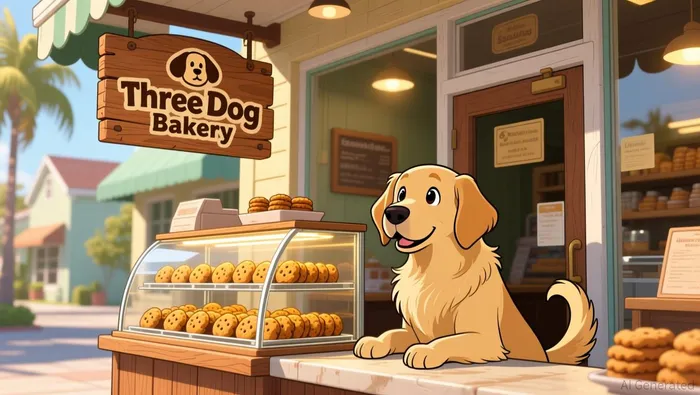
En resumen, para los franquiciados, el socio de marca no es simplemente un proveedor, sino también un activo crucial y, al mismo tiempo, una posible fuente de problemas. Cuando la relación se deteriora, el modelo de negocio puede colapsar en cuestión de días. El crecimiento estructural del sector proporciona cierta estabilidad, pero, dentro de él, los franquiciados están expuestos a un tipo único de riesgo operativo. Su éxito está íntimamente ligado a un contrato que, cuando se resiente, puede convertirse en una fuente de problemas legales y financieros graves.
Indicadores de dificultades financieras y sus consecuencias en los sectores
El hecho de que se haya realizado esa solicitud constituye un claro indicador de una grave situación financiera. La elección de…Capítulo 11, Subcapítulo VEsto es importante; la empresa está diseñada específicamente para pequeñas empresas con deuda limitada. Esto indica que se trata de una operación en un solo lugar o, en todo caso, de una empresa muy pequeña. Esto sugiere que el nivel de dificultades es más típico de un franquiciado individual que de una cadena empresarial. La propia empresa…10 años de historiaY el hecho de que sea una franquicia de una marca nacional resalta la vulnerabilidad de dichos operadores. Su situación financiera ya estaba bastante deteriorada debido a los prolongados conflictos legales. La cancelación del contrato de franquicia en mayo de 2025 parece haber sido el golpe final, ya que se interrumpió la principal fuente de ingresos que mantenía a la empresa en funcionamiento.
Este caso sirve como un fuerte recordatorio de que, incluso en un sector resistente como el de la industria de mascotas, las operaciones individuales de franquicias pueden enfrentar situaciones financieras desastrosas. Se proyecta que los gastos en la industria de mascotas alcanzarán los 157 mil millones de dólares para el año 2025, lo que refleja una lealtad constante por parte de los consumidores. Sin embargo, el fracaso de J.L.E.T. Enterprises demuestra que la fuerza de una marca no protege a los franquiciados de posibles colapsos operativos cuando se rompe el contrato fundamental. Las consecuencias financieras no se limitan al balance general de la empresa. Los juicios legales y la bancarrota pueden dañar la reputación de la marca, creando una imagen de inestabilidad entre los otros franquiciados y, potencialmente, preocupando a los clientes que valoran la experiencia de compra en las tiendas locales. Esto subraya que el modelo de franquicia, aunque ofrece una forma de entrar al mercado, también concentra los riesgos en el nivel local.
La implicación más amplia es que los franquiciadores podrían reevaluar su apoyo y supervisión hacia los franquiciados, especialmente en un entorno económico difícil. El caso de K2Peach demuestra que estos conflictos son costosos e impredecibles para el franquiciador. En un sector donde el crecimiento de la población de mascotas se ha estabilizado y la situación económica es incierta, los franquiciadores necesitarán ser más proactivos al identificar y abordar los problemas de los franquiciados desde temprano, quizás a través de programas de supervisión financiera o de asesoramiento. En resumen, se trata de un fracaso en el ámbito del negocio pequeño, pero esto destaca un riesgo sistémico: el modelo de franquicia depende de una sola relación, que a menudo es legalmente compleja, lo que crea un punto de fallo para el operador. Para el sector en general, la resiliencia es estructural, pero cada franquiciado individual sigue siendo vulnerable.
Catalizadores y riesgos: Lo que hay que tener en cuenta en la tesis
La interpretación de la presentación hecha por J.L.E.T. Enterprises como un evento aislado depende de los resultados de algunos acontecimientos clave. Los factores que influirán en el futuro revelarán si se trata de un fracaso aislado o si es un síntoma de una situación de estrés más generalizada dentro del modelo de negocio de la empresa.
En primer lugar, está el resultado de la disputa legal que continúa con Three Dog Bakery. El precedente establecido por…Caso K2PeachEs crucial en este caso. En la sentencia dictada en octubre de 2025, el tribunal rechazó la solicitud del franquiciador de desestimar las demandas contrapuestas. Se señaló que tales disputas rara vez terminan en la etapa de presentación de los argumentos legales. Esto crea una situación legal compleja y costosa para ambas partes. Si el caso de J.L.E.T. Enterprises sigue un camino similar, eso aumentará el riesgo de que las cancelaciones de franquicias provoquen litigios prolongados y costosos. Esto podría disuadir a otros franquiciados de tomar medidas agresivas, lo que, a su vez, haría que los franquiciadores sean más cautelosos en su aplicación de las reglas. Por otro lado, una victoria legal rápida y decisiva para Three Dog Bakery podría indicar una postura más punitiva, lo que genera preocupaciones sobre la estabilidad de la relación con los socios comerciales.
En segundo lugar, los inversores y analistas deben monitorear el desempeño de los demás franquiciados de Three Dog Bakery. La presentación de este informe es un indicio preocupante, pero la resiliencia del sector es estructural. La pregunta clave es si los demás franquiciados muestran signos de problemas operativos o dificultades financieras. Cualquier anuncio público sobre las dificultades de los franquiciados, o una disminución en el número de nuevas aperturas de tiendas por parte de la marca, podría cuestionar la idea de que se trata de un caso único. La ausencia de tales señales apoyaría la opinión de que J.L.E.T. fue un caso único, quizás exacerbado por sus problemas legales específicos.
Por último, esté atento a cualquier anuncio más amplio por parte de los franquiciadores del sector de productos para mascotas, en relación con cambios en los programas de apoyo al franquiciado o en las ayudas financieras. La reciente reestructuración…Grupo de franquiciasLa empresa madre de Pet Supplies Plus ofrece un modelo relevante para su negocio. Esta empresa utiliza la bancarrota como herramienta para reducir su deuda y fortalecer su balance financiero. Además, tiene planes claros de mejorar el apoyo que brinda a sus marcas franquicias. Esto indica que los franquiciadores pueden estar tomando medidas proactivas para enfrentar las presiones financieras dentro de sus redes. Si otros grandes franquiciadores del sector también adoptan estas medidas, como lanzar nuevas líneas de crédito, reestructurar los términos de los royalties o ofrecer programas de asesoramiento, eso demostraría que todos los actores del sector reconocen la vulnerabilidad de los franquiciados. Tales medidas serían una respuesta directa a los riesgos que han sido destacados en casos como J.L.E.T. y K2Peach, con el objetivo de evitar fracasos similares.
En resumen, se espera que esta tesis sea confirmada o cuestionada por estos factores. La jurisprudencia vigente, el rendimiento de los competidores y la estrategia del franquiciador determinarán si este caso representa un ejemplo atípico o si es una señal de alerta para el futuro del modelo de franquicia.







Comentarios
Aún no hay comentarios