
A Second Chance at a Second Chance: Investing in the Kidney Transplant Revolution
The clock is ticking for Rick, a 42-year-old software engineer, who has been on the kidney transplant waiting list for three years. His story is not unique—over 90,000 Americans await a life-saving organ, and global demand continues to outpace supply. Yet, as the kidney transplant market surges toward $8.08 billion by 2035, investors are poised to profit from a revolution in technology, policy, and innovation. This article explores the transformative forces reshaping kidney transplantation, the companies leading the charge, and the risks and rewards for investors.
A Market in Flux: Growth Drivers and Barriers
The kidney transplant market is growing at a 4.2% CAGR through 2035, fueled by advancements in organ preservation, AI-driven matching, and a global rise in chronic kidney disease (CKD). By 2025, machine perfusion technologies alone are reducing organ wastage by 25%, while xenotransplantation trials (pig-to-human kidneys) mark a historic leap toward solving shortages. Yet challenges persist: organ scarcity persists in Japan and Germany, costs for immunosuppressants have risen 20% in some regions, and regulatory hurdles—like the EU’s Medical Device Regulation (MDR)—slow innovation adoption.
Key Players and Breakthrough Technologies
The sector’s innovation is concentrated among a handful of companies and collaborations:
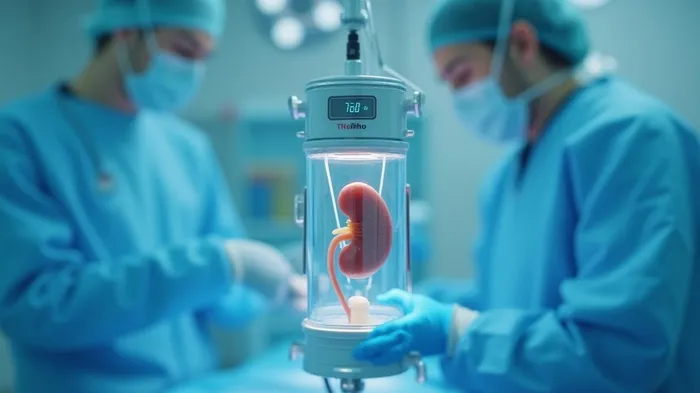
Northernmost (NoMo Kidney Pump): Backed by the National Kidney Foundation, this portable perfusion system eliminates ice-based storage, reducing organ waste. With 71% of kidneys still preserved via outdated methods, Northernmost’s technology could capture a significant market share.
CareDx + Dovetail Genomics: Their AI-powered HLA genotyping platform improves donor-recipient compatibility, reducing rejection risks. Early adoption by HLA labs in 2025 signals a $12.8 billion post-transplant drug market boom.
Paragonix Technologies: FDA-cleared devices like the SherpaPak monitor kidney viability in real time during transport. Their $24M Series B funding in 2023 positions them to dominate logistical innovations.
Xenotransplantation Pioneers: Two unnamed companies are now testing genetically modified pig kidneys in humans—a breakthrough that could expand supply by 30% if successful.
The Data Behind the Boom
While established players like Novartis (NVS) dominate with immunosuppressants (25–30% market share), emerging firms are the growth engines. Paragonix’s Series B funding and CareDx’s AI partnerships hint at future IPO potential. Meanwhile, the kidney transplant medicine market is growing at 5.8% annually, driven by demand for post-surgery drugs like Myfortic.
Risks and Regional Disparities
Investors must navigate geographic and regulatory divides:
- North America: Leads in AI adoption and paired-donor programs but faces high costs.
- Asia-Pacific: Fastest-growing region due to rising CKD rates and medical tourism. India’s 3.3% CAGR is fueled by cost-efficient transplants (<$100,000), while China transitions to ethical donation systems.
- Europe: Stalls at 2.7% growth due to MDR compliance delays, though Germany’s robotic surgery advancements are notable.
- Japan: Relies on living donors (85%) but invests in 3D bioprinting—a long-term bet with high R&D risks.
The Investment Playbook
- Buy into Organ Preservation Tech: Companies like Northernmost and Paragonix are solving the “organ waste” problem. Investors should track partnerships with hospitals and government contracts.
- Bet on AI and Precision Medicine: CareDx’s HLA genotyping and Ubie’s AI diagnostic tools are reducing rejection rates and accelerating diagnoses.
- Monitor Xenotransplantation Trials: Success here could unlock a $3 billion market by 2030.
- Diversify Regionally: Pair exposure to U.S. AI leaders with Asia-Pacific’s cost-efficient innovators.
Conclusion: A Race Against Time
The kidney transplant market is a battleground of life-saving innovation. With a 4.2% CAGR and breakthroughs in preservation, AI, and xenotransplantation, the sector offers compelling growth opportunities. However, investors must weigh risks: organ shortages could limit adoption, regulatory delays may slow timelines, and cost barriers remain for low-income patients.
For Rick—and the 90,000 others waiting—a second chance hinges on these technologies. For investors, the data is clear: the companies solving preservation, matching, and supply chain challenges are positioned to thrive. As the market grows from $6.13B in 2025 to $8.08B by 2035, the question is not if but when to act.
The clock is still ticking—but the tools to beat it are finally within reach.







Comentarios
Aún no hay comentarios