
CFPB Accuses Walmart and Branch: Illegal Accounts and Deceptive Practices
Generado por agente de IAWesley Park
lunes, 23 de diciembre de 2024, 12:55 pm ET1 min de lectura
BOF--
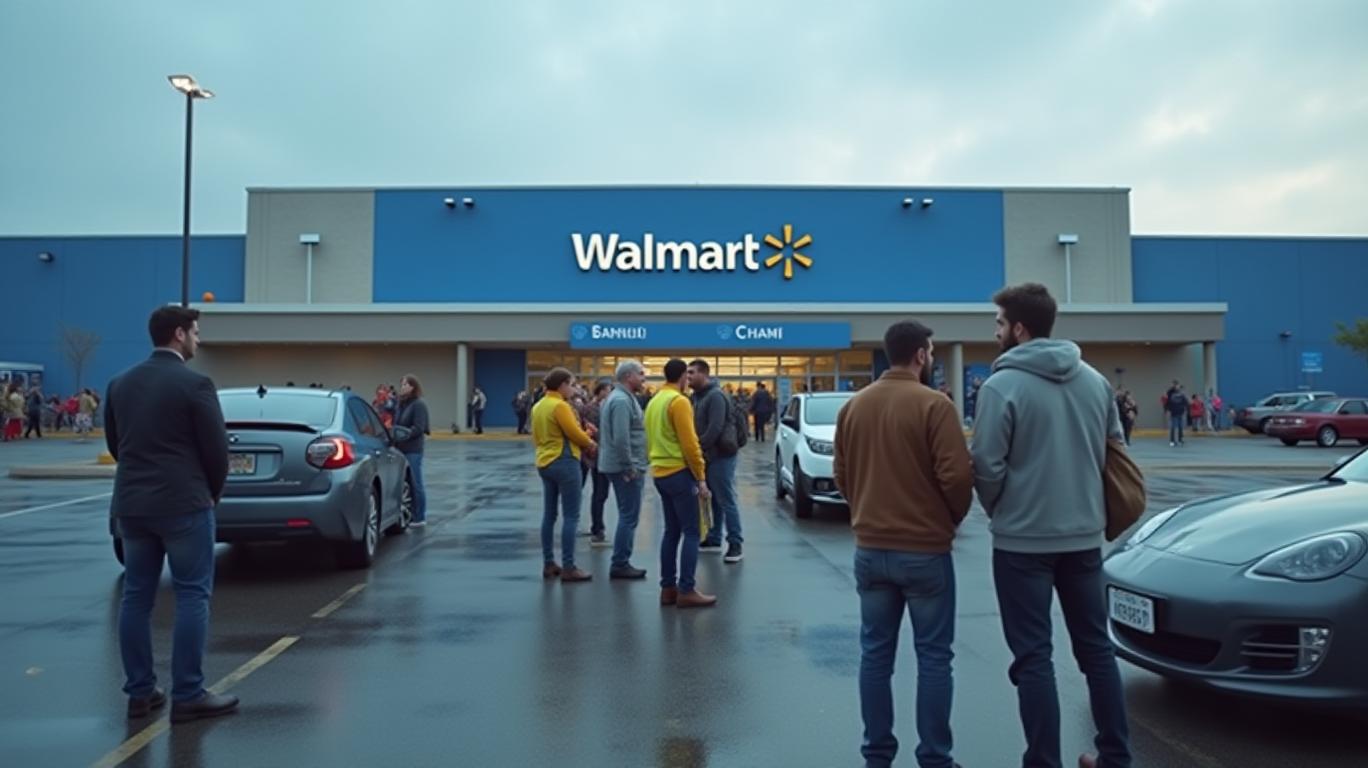
The Consumer Financial Protection Bureau (CFPB) has filed a lawsuit against retail giant Walmart and its financial technology partner, Branch Messenger, alleging illegal account openings and deceptive practices involving delivery drivers. The lawsuit, filed in the US District Court for the District of Minnesota, claims that Walmart and Branch forced delivery drivers to use costly Branch accounts for pay, without their consent, and misled them about access to their earnings.
Walmart and Branch allegedly opened accounts for delivery drivers in the Spark Driver program using their Social Security numbers without authorization. The accounts came with high fees, either 2% or $2.99 per transaction, whichever was higher. Over two years, drivers paid more than $10 million in fees to transfer their earnings to other accounts. Walmart repeatedly promised same-day payments through the platform but failed to deliver on this promise.
The CFPB alleges that Walmart and Branch engaged in unfair, abusive, and deceptive practices in violation of the Consumer Financial Protection Act of 2010. These practices included requiring Spark Drivers to receive their compensation in Branch Accounts, opening Branch Accounts without informed consent or authorization, and making deceptive statements about Branch to Spark Drivers.
The lawsuit seeks to stop the companies' unlawful conduct, provide redress for harmed consumers, and impose a civil money penalty. If found guilty, Walmart and Branch could face significant financial consequences, including fines, damages, and legal fees that could reach tens of millions of dollars. The CFPB's lawsuit could also impact the companies' reputations and future business operations, potentially leading to customer loss, decreased sales, and increased regulatory scrutiny.
Walmart's questionable business practices could deter investors and negatively impact its stock price. For Branch, the lawsuit could result in a loss of trust among consumers and partners, leading to a decline in its user base and revenue. Both companies may face higher compliance costs and potential fines, which could hinder their future growth and profitability.
The CFPB's lawsuit highlights the importance of transparency and consumer protection in the gig economy. As gig work becomes more prevalent, companies must ensure they are complying with consumer protection laws and treating workers fairly. Investors should closely monitor the situation and consider the potential long-term impacts on Walmart and Branch's reputations and financial performance.
WMT--
The Consumer Financial Protection Bureau (CFPB) has filed a lawsuit against retail giant Walmart and its financial technology partner, Branch Messenger, alleging illegal account openings and deceptive practices involving delivery drivers. The lawsuit, filed in the US District Court for the District of Minnesota, claims that Walmart and Branch forced delivery drivers to use costly Branch accounts for pay, without their consent, and misled them about access to their earnings.
Walmart and Branch allegedly opened accounts for delivery drivers in the Spark Driver program using their Social Security numbers without authorization. The accounts came with high fees, either 2% or $2.99 per transaction, whichever was higher. Over two years, drivers paid more than $10 million in fees to transfer their earnings to other accounts. Walmart repeatedly promised same-day payments through the platform but failed to deliver on this promise.
The CFPB alleges that Walmart and Branch engaged in unfair, abusive, and deceptive practices in violation of the Consumer Financial Protection Act of 2010. These practices included requiring Spark Drivers to receive their compensation in Branch Accounts, opening Branch Accounts without informed consent or authorization, and making deceptive statements about Branch to Spark Drivers.
The lawsuit seeks to stop the companies' unlawful conduct, provide redress for harmed consumers, and impose a civil money penalty. If found guilty, Walmart and Branch could face significant financial consequences, including fines, damages, and legal fees that could reach tens of millions of dollars. The CFPB's lawsuit could also impact the companies' reputations and future business operations, potentially leading to customer loss, decreased sales, and increased regulatory scrutiny.
Walmart's questionable business practices could deter investors and negatively impact its stock price. For Branch, the lawsuit could result in a loss of trust among consumers and partners, leading to a decline in its user base and revenue. Both companies may face higher compliance costs and potential fines, which could hinder their future growth and profitability.
The CFPB's lawsuit highlights the importance of transparency and consumer protection in the gig economy. As gig work becomes more prevalent, companies must ensure they are complying with consumer protection laws and treating workers fairly. Investors should closely monitor the situation and consider the potential long-term impacts on Walmart and Branch's reputations and financial performance.

Divulgación editorial y transparencia de la IA: Ainvest News utiliza tecnología avanzada de Modelos de Lenguaje Largo (LLM) para sintetizar y analizar datos de mercado en tiempo real. Para garantizar los más altos estándares de integridad, cada artículo se somete a un riguroso proceso de verificación con participación humana.
Mientras la IA asiste en el procesamiento de datos y la redacción inicial, un miembro editorial profesional de Ainvest revisa, verifica y aprueba de forma independiente todo el contenido para garantizar su precisión y cumplimiento con los estándares editoriales de Ainvest Fintech Inc. Esta supervisión humana está diseñada para mitigar las alucinaciones de la IA y garantizar el contexto financiero.
Advertencia sobre inversiones: Este contenido se proporciona únicamente con fines informativos y no constituye asesoramiento profesional de inversión, legal o financiero. Los mercados conllevan riesgos inherentes. Se recomienda a los usuarios que realicen una investigación independiente o consulten a un asesor financiero certificado antes de tomar cualquier decisión. Ainvest Fintech Inc. se exime de toda responsabilidad por las acciones tomadas con base en esta información. ¿Encontró un error? Reportar un problema




Comentarios
Aún no hay comentarios