
CEOs on Tariffs: Navigating Uncertainty, Seeking Opportunities
Generado por agente de IAWesley Park
lunes, 10 de febrero de 2025, 5:19 am ET1 min de lectura
FORD--
As the global trade landscape shifts, CEOs are grappling with the implications of tariffs on their businesses and the broader market. In this article, we explore how CEOs from various industries are responding to tariffs, their strategic approaches, and the potential impacts on investors.
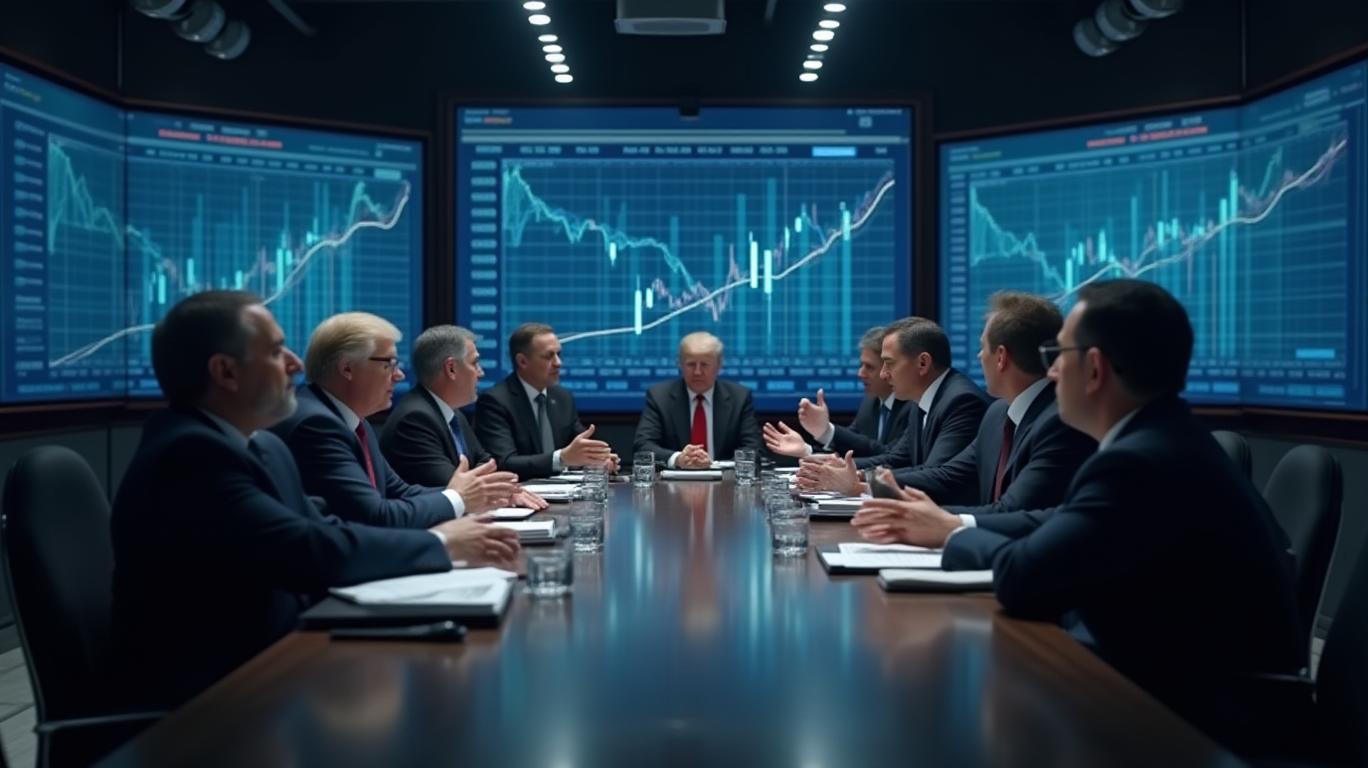
Ford CEO Jim Farley recently called for a "comprehensive" look at U.S. tariffs involving automobiles, singling out imports from Japan and South Korea that have little to no duties compared with the 25% tariff President Donald Trump has threatened against Canada and Mexico. Farley's comments reflect the broader economic impact of tariffs on the automotive industry and the overall market, highlighting the potential ripple effects on businesses, consumers, and the broader economy.
David French, the National Retail Federation's executive vice president of government relations, urged the Trump administration and the Canadian, Mexican, and Chinese governments to come to the negotiating table and resolve outstanding border security issues as quickly as possible. French's statement underscores the potential impact of tariffs on consumers and small businesses, as higher prices for goods can lead to reduced consumer spending and potential economic slowdown.
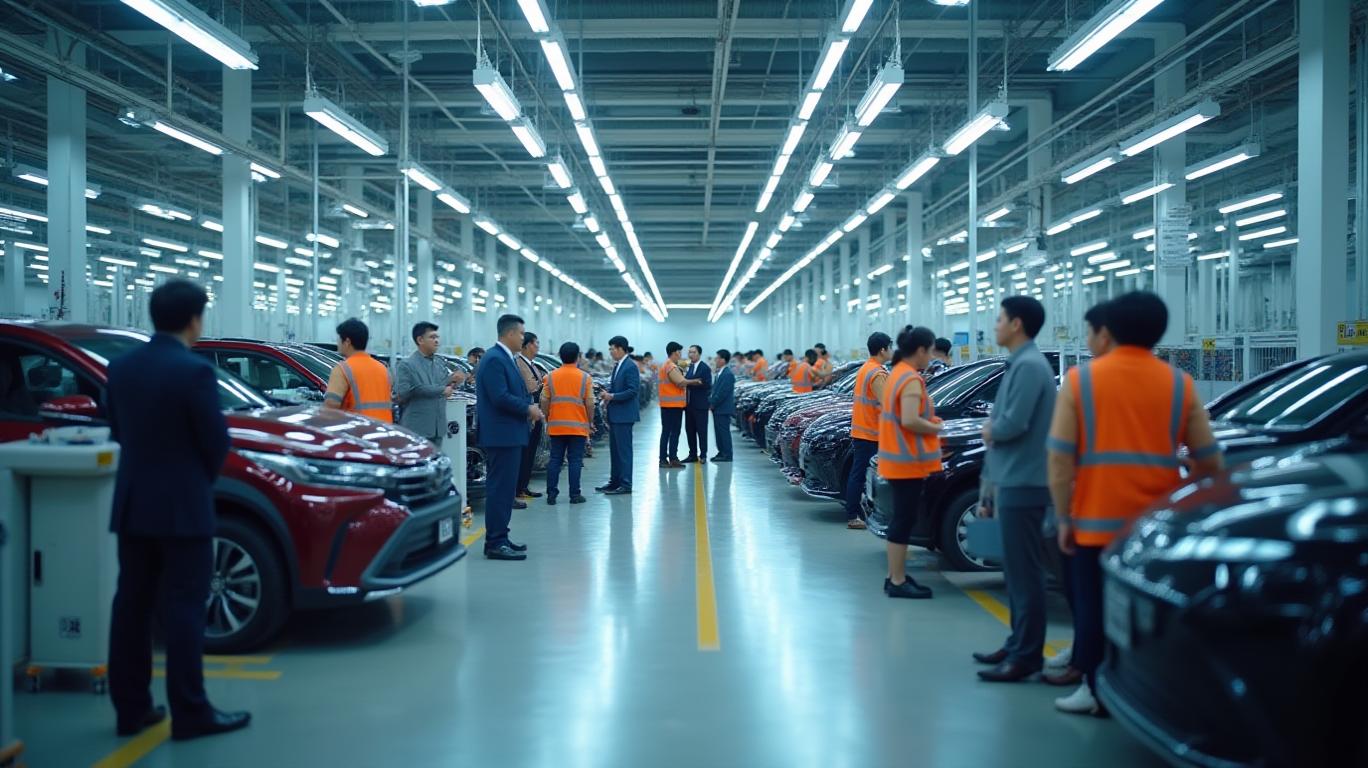
Toyota is also exploring strategic responses to tariffs by establishing a wholly-owned company for the development and production of Lexus BEVs and batteries in Shanghai, China. This move aligns with Toyota's long-term growth strategy of expanding its presence in the growing Chinese market and reducing its dependence on imports. This strategic response could have implications for investors, as it demonstrates Toyota's commitment to the Chinese market and its willingness to invest in the region despite potential trade tensions.
In conclusion, CEOs are responding to tariffs by diversifying supply chains and production locations, negotiating and lobbying for favorable trade policies, and passing on increased costs to consumers. These strategic responses can influence the market as a whole by increasing competition, disrupting markets, raising prices for consumers, and creating economic uncertainty. For investors, understanding how CEOs are talking about tariffs and their strategic responses can provide valuable insights into the companies' long-term growth prospects and potential risks. As the global trade landscape continues to evolve, investors should monitor the situation closely and make informed decisions based on the latest developments.
TM--
As the global trade landscape shifts, CEOs are grappling with the implications of tariffs on their businesses and the broader market. In this article, we explore how CEOs from various industries are responding to tariffs, their strategic approaches, and the potential impacts on investors.
Ford CEO Jim Farley recently called for a "comprehensive" look at U.S. tariffs involving automobiles, singling out imports from Japan and South Korea that have little to no duties compared with the 25% tariff President Donald Trump has threatened against Canada and Mexico. Farley's comments reflect the broader economic impact of tariffs on the automotive industry and the overall market, highlighting the potential ripple effects on businesses, consumers, and the broader economy.
David French, the National Retail Federation's executive vice president of government relations, urged the Trump administration and the Canadian, Mexican, and Chinese governments to come to the negotiating table and resolve outstanding border security issues as quickly as possible. French's statement underscores the potential impact of tariffs on consumers and small businesses, as higher prices for goods can lead to reduced consumer spending and potential economic slowdown.
Toyota is also exploring strategic responses to tariffs by establishing a wholly-owned company for the development and production of Lexus BEVs and batteries in Shanghai, China. This move aligns with Toyota's long-term growth strategy of expanding its presence in the growing Chinese market and reducing its dependence on imports. This strategic response could have implications for investors, as it demonstrates Toyota's commitment to the Chinese market and its willingness to invest in the region despite potential trade tensions.
In conclusion, CEOs are responding to tariffs by diversifying supply chains and production locations, negotiating and lobbying for favorable trade policies, and passing on increased costs to consumers. These strategic responses can influence the market as a whole by increasing competition, disrupting markets, raising prices for consumers, and creating economic uncertainty. For investors, understanding how CEOs are talking about tariffs and their strategic responses can provide valuable insights into the companies' long-term growth prospects and potential risks. As the global trade landscape continues to evolve, investors should monitor the situation closely and make informed decisions based on the latest developments.

Divulgación editorial y transparencia de la IA: Ainvest News utiliza tecnología avanzada de Modelos de Lenguaje Largo (LLM) para sintetizar y analizar datos de mercado en tiempo real. Para garantizar los más altos estándares de integridad, cada artículo se somete a un riguroso proceso de verificación con participación humana.
Mientras la IA asiste en el procesamiento de datos y la redacción inicial, un miembro editorial profesional de Ainvest revisa, verifica y aprueba de forma independiente todo el contenido para garantizar su precisión y cumplimiento con los estándares editoriales de Ainvest Fintech Inc. Esta supervisión humana está diseñada para mitigar las alucinaciones de la IA y garantizar el contexto financiero.
Advertencia sobre inversiones: Este contenido se proporciona únicamente con fines informativos y no constituye asesoramiento profesional de inversión, legal o financiero. Los mercados conllevan riesgos inherentes. Se recomienda a los usuarios que realicen una investigación independiente o consulten a un asesor financiero certificado antes de tomar cualquier decisión. Ainvest Fintech Inc. se exime de toda responsabilidad por las acciones tomadas con base en esta información. ¿Encontró un error? Reportar un problema




Comentarios
Aún no hay comentarios