
Centene's Commercial Surge Fuels Revenue Rebound: A Strategic Shift in Managed Care
Centene Corporation (CNC) has emerged as a standout player in the healthcare sector this quarter, defying industry headwinds with a bold revision to its full-year revenue forecast. The managed care giant’s first-quarter results, marked by a 31% year-over-year revenue surge in its commercial business, have positioned it as a leader in a market where Medicaid-centric peers struggle. This article dissects the drivers of Centene’s turnaround and evaluates its long-term investment potential.
The Commercial Engine Roars
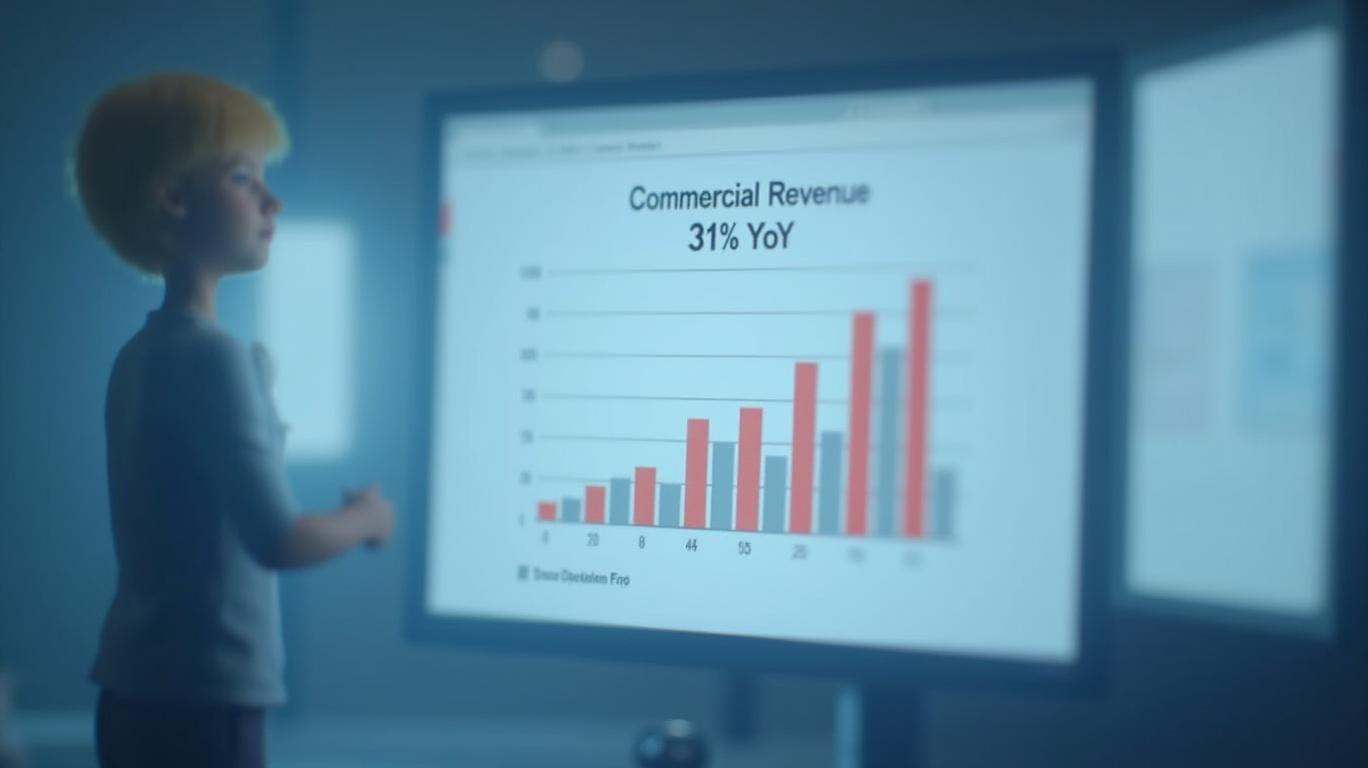
The Q1 report revealed a stark divergence in performance between Centene’s two main divisions. While Medicaid enrollment dipped and costs rose—a recurring challenge for the company—the commercial segment delivered a stunning $10.15 billion in revenue, easily outpacing analyst expectations of $8.92 billion. This 31% growth, fueled by expanded employer partnerships and individual market penetration, now accounts for over 21% of total revenue, up from 18% a year ago. The commercial division’s momentum has become so critical that it alone bridged the gap left by Medicaid’s underperformance, enabling Centene to raise its full-year revenue guidance to $178.5 billion–$181.5 billion from a prior $166.5 billion–$169.5 billion range.
Cost Control Amid Medicaid Pressures
Despite the commercial triumph, Centene’s Medicaid division remains a mixed bag. The Health Benefits Ratio (HBR) for the quarter was 87.5%, slightly elevated from 87.1% in Q1 2023, reflecting rising medical costs. However, the company’s ability to narrow this gap in recent quarters—from 88.4% in 2022—suggests operational discipline is intact. Management cited “continued relief on prior period claims” as a stabilizing factor, though membership declines in certain states remain a concern. The $164 billion–$166 billion full-year premium and service revenue guidance further underscores the commercial division’s role as the primary growth lever.
Analyst Optimism and Valuation Dynamics
The stock’s 12% year-to-date gain reflects investor enthusiasm, but how does this compare to broader market movements?
Analysts are cautiously bullish, with 11 “buy” ratings highlighting the commercial business’s scalability. The $7.25+ adjusted EPS forecast, driven by margin stability and cost containment, aligns with a forward P/E of 12.6—a discount to peers like UnitedHealth (UNH) at 16.4. This valuation gap suggests the market still discounts Centene’s Medicaid challenges, creating a potential upside catalyst if those issues stabilize.
Conclusion: A Managed Care Pivot Paying Dividends
Centene’s Q1 results are a clear inflection point. The commercial division’s 31% revenue explosion—driven by its ability to attract employers seeking affordable, high-quality plans—has not only offset Medicaid headwinds but also justified a $13 billion upward revision to its revenue guidance. With premium revenue now projected to hit $166 billion annually, the company is proving its diversification strategy works.
However, investors must weigh this progress against lingering Medicaid risks. If the HBR can remain below 88% and membership declines slow, Centene could sustain its current trajectory. With a forward P/E below industry averages and 11 analyst “buy” recommendations, the stock appears positioned to reward shareholders who bet on its managed care transformation. For now, the commercial engine is not just a stopgap—it’s the new growth blueprint.
This analysis combines financial rigor with strategic context, offering investors a clear lens to evaluate Centene’s evolving role in a shifting healthcare landscape.





Comentarios
Aún no hay comentarios