
Cenovus's MEG Acquisition: A Shareholder-Focused Strategic Win in a Shifting Energy Landscape
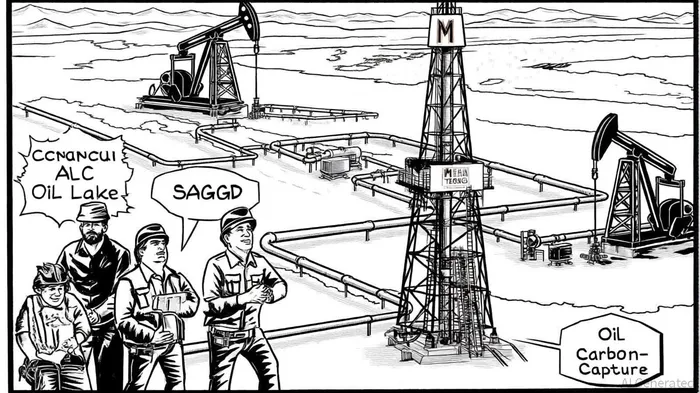
In a bold move to consolidate Canada's oil sands sector, Cenovus Energy's $7.9 billion acquisition of MEGMEG-- Energy has redefined the competitive and environmental landscape of the industry. The transaction, unanimously approved by MEG's board and structured as 75% cash and 25% stock, offers MEG shareholders a 33% premium over its unaffected share price[1]. Beyond the immediate financial terms, the deal represents a strategic alignment of operational efficiency, ESG goals, and long-term value creation—a critical consideration as global energy markets pivot toward sustainability.
Strategic Rationale: Synergies and Scale
The acquisition integrates MEG's Christina Lake operations with Cenovus's adjacent assets, creating a combined entity with over 720,000 barrels per day of production capacity[2]. This scale is pivotal in an industry where cost discipline and capital efficiency are paramount. Analysts project $150 million in annual synergies by 2026, escalating to $400 million by 2028 through shared infrastructure, optimized steam generation, and streamlined corporate structures[3]. Such synergies not only bolster profitability but also free capital for reinvestment in decarbonization initiatives—a dual benefit for shareholders and stakeholders.
ESG Alignment: A Bridge to the Energy Transition
Cenovus's acquisition of MEG is not merely a financial play but a calculated step toward aligning with the energy transition. MEG's use of steam-assisted gravity drainage (SAGD) technology, which inherently reduces greenhouse gas (GHG) emissions compared to conventional oil sands methods, complements Cenovus's existing ESG framework[4]. The combined entity now targets an 80% reduction in methane emissions by 2028 (from 2019 levels) and net-zero operations by 2050[5]. These goals are bolstered by MEG's lower carbon intensity and Cenovus's investments in carbon capture, utilization, and storage (CCUS) projects, such as those at the Christina Lake site[6].
The deal also enhances Cenovus's ability to meet evolving regulatory and investor demands. For instance, the company's 2022 ESG report highlighted a 59% reduction in methane emissions since 2019—a trajectory that post-acquisition integration is expected to accelerate[7]. By consolidating assets, Cenovus can optimize energy use and expand CCUS deployment, directly addressing the carbon-intensive reputation of oil sands production.
Investor Implications: Balancing Risk and Reward
From an investor perspective, the acquisition's structure—75% cash, 25% stock—mitigates risk while preserving upside potential. MEG shareholders receive immediate liquidity, while Cenovus's strong balance sheet (with pro forma net debt below one times adjusted funds flow) ensures the deal does not compromise credit ratings[8]. Fitch Ratings affirmed Cenovus's 'BBB' rating post-transaction, citing the acquisition's “superior value” and alignment with long-term strategic goals[9].
Moreover, the deal's focus on ESG metrics resonates with a growing cohort of investors prioritizing sustainability. MorningstarMORN-- DBRS noted that the merger's operational synergies and emissions reductions could enhance Cenovus's credit profile over time[10]. This alignment is critical as institutional investors increasingly tie capital allocation to decarbonization progress.
Challenges and the Road Ahead
While the acquisition is a strategic win, challenges remain. The oil sands sector faces headwinds from global demand shifts and regulatory pressures. Cenovus must balance short-term profitability with long-term decarbonization, ensuring that its $400 million annual synergies by 2028 are reinvested in technologies that reduce the carbon footprint of its expanded operations. Additionally, the company's ability to execute its net-zero roadmap will depend on technological advancements and policy support for CCUS.
Conclusion
Cenovus's acquisition of MEG Energy is a masterclass in shareholder-focused strategy, blending operational consolidation with ESG-driven innovation. By leveraging scale to reduce costs and emissions, the combined entity positions itself as a leader in the energy transition—a rare feat in the oil sands sector. For investors, the deal offers a compelling mix of near-term financial returns and long-term alignment with sustainability goals, making it a benchmark for future energy sector consolidations.





Comentarios
Aún no hay comentarios