
Celebrity Influence and Digital Asset Recovery: Navigating the Dual Forces Shaping Cryptocurrency Adoption and Institutional Trust
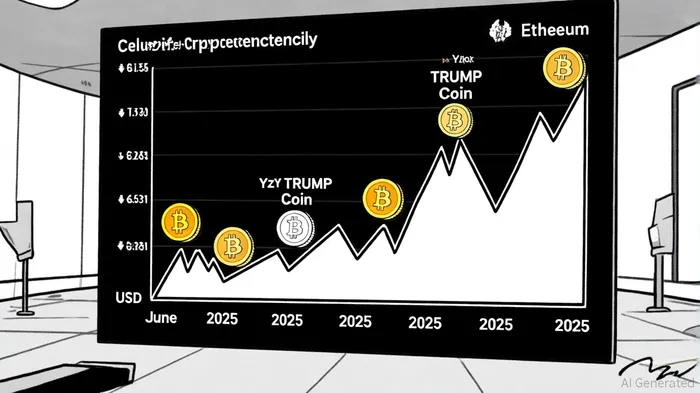
In the rapidly evolving landscape of cryptocurrency, celebrity endorsements have emerged as a double-edged sword, driving both unprecedented adoption and significant volatility. While high-profile figures leverage their influence to demystify blockchain technology and attract new investors, the speculative nature of these endorsements raises critical questions about long-term sustainability and institutional trust. This analysis explores the interplay between celebrity-driven hype, institutional adoption, and the emerging frameworks for digital assetDAAQ-- recovery, drawing on recent trends and regulatory developments.
The Celebrity Effect: Catalyst for Adoption and Volatility
Celebrity endorsements have undeniably accelerated cryptocurrency adoption, particularly among retail investors. For instance, Eminem's collaboration with Crypto.com on an NBA-themed advertisement in April 2024 marked a strategic shift in crypto marketing, blending pop cultureCPOP-- with blockchain education[4]. Similarly, Elon Musk's persistent social media activity around DogecoinDOGE-- has repeatedly triggered price surges, with Snoop Dogg's 2021 tweet alone pushing the token to a record high of $0.0844[4]. These examples underscore how celebrity influence can bridge the gap between niche technology and mainstream appeal.
However, the volatility introduced by such endorsements is equally pronounced. Kanye West's YZY token, for example, briefly reached a $3 billion market cap before collapsing to under $1 within hours[2]. Similarly, Donald Trump's TRUMP Coin peaked at $14.5 billion but lost most of its value within days[2]. These cases highlight the speculative nature of celebrity-backed tokens, where brand recognition often outpaces technological substance. Critics argue that such projects risk overshadowing the intrinsic value of blockchain technology, reducing it to a vehicle for short-term hype[4].
Institutional Trust and Regulatory Pushback
While celebrity endorsements dominate headlines, institutional adoption of cryptocurrencies has been driven by more stable factors. According to a report by Forbes, policy-driven developments—such as regulatory clarity, institutional partnerships, and enhanced transparency—have become the cornerstone of long-term trust in the crypto space[3]. For example, the integration of blockchain into charitable initiatives has demonstrated its potential to enhance accountability, with smart contracts enabling donors to verify fund allocations[1].
Regulatory bodies, however, have grown increasingly wary of celebrity-driven projects. The SEC has taken enforcement actions against figures like Kim Kardashian and Floyd Mayweather for undisclosed compensation in promoting tokens[1]. In February 2025, the SEC issued a staff statement clarifying that “meme coins” generally will not be classified as securities, a move seen as an attempt to curb regulatory overreach while addressing market manipulation[2]. Meanwhile, Canadian regulators have emphasized the need for clear disclosures in third-party promotions, signaling a global trend toward tighter oversight[2].
Digital Asset Recovery: A Growing Institutional Priority
As celebrity-backed tokens face scrutiny, the need for robust digital asset recovery mechanisms has become paramount. Circuit, an enterprise-grade recovery solution, has introduced an institutional crypto recovery engine powered by Automatic Asset Extraction (AAE) technology. This system automatically transfers assets to secure vaults if private keys are lost or threats are detected, addressing a critical vulnerability in irreversible crypto transactions[1].
Legal frameworks are also adapting to the challenges of asset recovery. The English High Court's 2024 delivery up of stolen digital assets to Binance marked a milestone in crypto fraud recovery, demonstrating the adaptability of traditional legal systems[4]. However, jurisdictional complexities persist, as courts in the UK and Dubai have offered divergent interpretations of crypto assets' legal status[1]. For institutions, the lack of traditional safeguards like chargebacks underscores the importance of prevention-first custody solutions with robust governance protocols[3].
Balancing Hype and Substance
The dual forces of celebrity influence and institutional caution present a paradox for the crypto market. While celebrity endorsements can democratize access to blockchain technology, they also introduce risks of fraud and volatility. Institutional adoption, on the other hand, prioritizes stability and regulatory compliance, yet often lacks the public appeal of high-profile campaigns.
For investors, the key lies in balancing these dynamics. As stated by a 2025 analysis from EmChain, “long-term success in crypto depends on underlying technology, utility, and broader market adoption rather than celebrity-driven hype”[4]. Digital asset recovery solutions and regulatory clarity will further shape this landscape, ensuring that the market evolves beyond speculative frenzies.
Conclusion
Celebrity influence remains a powerful, albeit volatile, driver of cryptocurrency adoption. While it has brought blockchain into the mainstream, the sustainability of this growth hinges on institutional trust and robust recovery mechanisms. As regulatory frameworks mature and technological safeguards improve, the crypto market may yet find equilibrium between the allure of pop culture and the rigor of institutional finance.






Comentarios
Aún no hay comentarios