
CBS Cancels Colbert’s Late Show Due to 50% Drop in Late-Night Ad Revenue
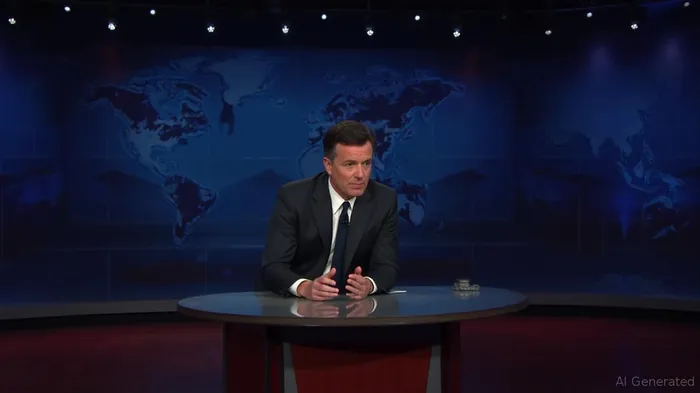
CBS has announced that it will end Stephen Colbert’s late-night comedy show, "The Late Show," next May. The network attributes this decision to financial considerations rather than political motivations. However, the economic landscape of late-night television is undeniably challenging, with declining advertising revenue and shifting viewer preferences.
As recently as 2018, broadcast networks generated an estimated $439 million in advertising revenue from late-night programs. By last year, this figure had decreased to $220 million. The demographic that once found late-night TV particularly appealing—young men—has increasingly turned to streaming services, either to watch different content or to catch highlights of late-night shows, which are harder for networks to monetize.
The broader trend of viewers migrating to streaming services is evident. Nielsen reported that, for the first time, more people consumed programming on services like YouTube and NetflixNFLX-- than on traditional networks or cable. This shift is part of a larger economic challenge for television networks, which spent roughly $70 billion on entertainment shows and $30 billion on sports rights last year. With television viewership declining, networks are looking for areas to cut costs, and late-night programming is one such area.
Brian Wieser, CEO of an advertising consultant and data services firm, noted that the economics of television are weak. While he did not confirm whether Colbert’s show is profitable for CBS and its parent company Paramount GlobalPARA--, he acknowledged the downward trend in television economics. George Cheeks, Paramount Global’s president and CEO, stated that the decision to cancel Colbert’s show is purely financial and not related to the show’s performance or content.
However, not everyone is convinced by this explanation. Colbert has been a vocal critic of President Donald Trump, and his recent criticism of Paramount’s settlement with Trump over a "60 Minutes" interview with Kamala Harris has raised suspicions. The Writers Guild of America has called for an investigation into whether the cancellation of Colbert’s show is a form of political bribery.
This decision comes at a pivotal time for television and radio programming, as Congress has stripped federal funding for PBS and NPR, threatening the future of shows on those outlets. Journey Gunderson, executive director of the National Comedy Center, described the end of Colbert’s show as the end of an era for late-night television, which has historically been a platform for comedic commentary and community engagement.
Trump, who has previously called for CBS to terminate Colbert’s contract, celebrated the show’s upcoming demise. Some experts have questioned whether CBS could have explored other cost-saving measures, such as eliminating the band on Seth Meyers’ late-night show or curtailing Jimmy Fallon’s "Tonight" show to four nights a week. However, CBS has already cancelled the "After Midnight" show that ran after Colbert, indicating a broader shift in its late-night programming strategy.
Colbert, if he chooses to continue his career, may find opportunities with streaming services. However, the future of late-night comedy on traditional entertainment networks is uncertain. Jon Stewart, once a weeknight fixture, now works one night a week at "The Daily Show" for Paramount’s Comedy Central. ABC’s Jimmy Kimmel, who has a contract that runs out next year, has openly wondered about the longevity of his late-night hosting career.
Colbert, Kimmel, and Stewart were all nominated for Emmy awards this week, highlighting the ongoing relevance and impact of late-night comedy, even as the industry faces significant economic challenges. The cancellation of Colbert’s show marks a significant shift in the landscape of late-night television, with broader implications for the future of the genre.







Comentarios
Aún no hay comentarios