
CAVA's Strategic Expansion into Detroit: A Catalyst for Long-Term Value in the Fast-Casual Sector
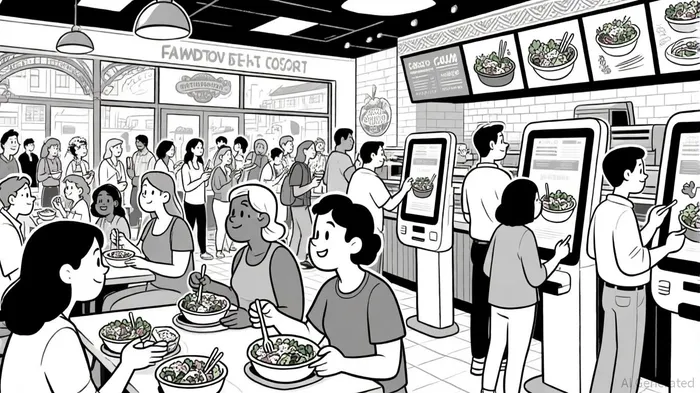
The fast-casual restaurant sector in the United States is undergoing a transformative phase, driven by shifting consumer preferences toward healthier, customizable, and digitally integrated dining experiences. Detroit, a city experiencing a renaissance in its culinary landscape, is emerging as a strategic growth corridor for brands like CAVACAVA--, a Mediterranean fast-casual chain. With the opening of its first downtown Detroit location on September 26, 2025, CAVA is positioning itself to capitalize on a market poised for robust expansion. This move not only aligns with national trends but also reflects a nuanced understanding of local consumer behavior, making it a compelling case study for long-term value creation in the sector.
Market Dynamics and CAVA's Strategic Fit
The U.S. fast-casual market is projected to grow at a compound annual growth rate (CAGR) of 13.7% from 2025 to 2029, reaching a market size of USD 345.6 billion by 2033[1]. Detroit, as part of this broader trend, is witnessing a surge in demand for quick, high-quality meals that prioritize fresh ingredients and customization. According to a report by Business Research Insights, the global fast-casual market is expected to grow at an even faster CAGR of 11.65% through 2032, driven by urbanization and the rise of health-conscious millennials[2]. CAVA's Mediterranean menu, which offers over 17 billion combinations of bowls, salads, and pita sandwiches—including vegetarian and vegan options—directly addresses these consumer preferences[3].
The brand's expansion into Detroit also aligns with the city's evolving culinary identity. Detroit's 2025 dining trends emphasize international flavors, sustainability, and digital convenience[4]. CAVA's menu, featuring bold Mediterranean ingredients like hummus, falafel, and shawarma, complements the growing appetite for global cuisine. Additionally, the chain's commitment to sustainability—through initiatives like food donation programs and eco-friendly packaging—resonates with Detroit's increasingly socially conscious consumer base[5].
Operational Innovations and Competitive Edge
CAVA's Detroit location, spanning 3,000 square feet, incorporates digital ordering, delivery services, and an indoor dining room, reflecting the sector's shift toward technology-driven convenience[6]. This aligns with broader industry trends: in Q3 2025, fast-casual chains like Chipotle and Wingstop reported same-store sales growth of 6% and 21%, respectively, as consumers prioritize value and efficiency[7]. By integrating digital tools, CAVA enhances operational efficiency while catering to time-constrained urban professionals and families.
The brand's menu innovation further strengthens its competitive position. The recent nationwide introduction of Chicken Shawarma as a limited-time protein option demonstrates CAVA's agility in responding to consumer demand for variety[8]. This approach mirrors the success of peers like Panera Bread, which has leveraged digital platforms and fresh, made-to-order meals to differentiate itself in a crowded market[9].
Financial and Community Impact
CAVA's Detroit expansion is expected to create 25–40 local jobs, contributing to the city's economic revitalization[10]. This aligns with the brand's broader goal of reaching 1,000 locations nationwide by 2032, a target underpinned by its recent milestone of opening its 400th U.S. location[11]. For investors, this signals a scalable model with strong unit economics. The Detroit location's projected daily operating hours (10:30 a.m. to 10:30 p.m.) also maximize revenue potential by capturing lunch, dinner, and late-night traffic.
However, challenges such as rising food and labor costs remain. The U.S. fast-casual sector faces pressure from inflationary trends, with operating margins squeezed by higher sourcing and real estate expenses[12]. CAVA's ability to maintain profitability will depend on its pricing strategy and cost management. Yet, its focus on high-margin digital orders and delivery—segments that grew by 18% year-over-year in Q3 2025[13]—suggests a path to mitigating these risks.
Conclusion: A Recipe for Long-Term Value
CAVA's Detroit expansion exemplifies a strategic alignment with macroeconomic and consumer trends. By offering customizable, health-conscious meals in a digitally integrated format, the brand addresses the core drivers of fast-casual growth: convenience, quality, and value. As Detroit's culinary scene continues to diversify, CAVA's emphasis on international flavors and sustainability positions it to capture a significant share of the market. For investors, this move represents not just a local opportunity but a microcosm of the sector's broader potential—a sector where innovation and adaptability are the keys to long-term success.





Comentarios
Aún no hay comentarios