
Cash Preservation Strategy Dominates Fed Rate Cut Debate Amid Divergence
The September inflation report delivered a jarring reminder that the Fed's battle against price growth remains unfinished. , this apparent improvement masks stubbornly hot underlying drivers that complicate the narrative of clear disinflation. Specifically, food and energy categories continued to push inflation higher, acting as direct counterweights to cooling shelter and medical care costs.
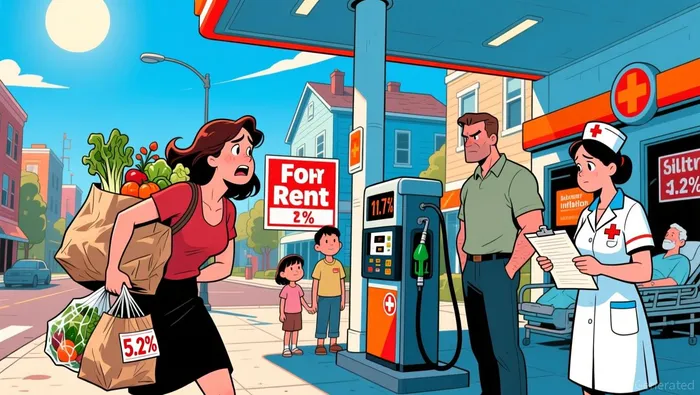
- Food & Energy Surge: , . These volatile components created significant upward pressure, .
- Persistent Core Pressures: Even as the headline cooled, remained elevated. , . This dichotomy – cooling energy but stubbornly persistent food, shelter, and services – means the disinflation story lacks critical depth.
The manufacturing sector reinforces concerns about underlying economic fragility and potential inflationary inertia. , creating an imbalance. According to the latest data, , , signaling lengthening delivery cycles and weakening . This deterioration worsened in October, , its eighth consecutive contraction month. , , and input prices, , still signaled upward pressure. These persistent and lagging demand dynamics undermine claims that the economy is cooling broadly enough to warrant aggressive rate cuts, suggesting instead that may be both entrenched and structurally complex.
The market's upbeat mood over AI optimism and strong ETF inflows masks growing rooted in economic fundamentals. Historical precedent suggests investors should proceed cautiously. , dwarfing the typical 2-15 month lead time before U.S. recessions since 1965. This duration echoes the 1966 cycle, which surprisingly avoided downturn despite similar inversion length, yet 10 out of 12 hiking cycles were preceded by such inversions, with 8 ultimately leading to recessions. Current paints a concerning picture too; , signaling contraction. While new orders grew modestly, , , reflecting increasing . Tariffs and uncertainty are clearly weighing on exports, , while six of the seven major manufacturing sectors contracted. Adding to the policy uncertainty, the Federal Reserve's October rate cut was accompanied by deep internal divisions and revived . With the Fed emphasizing a December decision remains 'not foregone,' markets must reckon with the tangible vulnerabilities emerging from slowing production, stretched supply chains, and a yield curve history that has been a reliable far more often than not.
The September CPI print confirms inflation remains stubbornly above the Fed's 2% target, with food, energy, and shelter pressures proving especially persistent. , offsetting some cooling in gasoline. This sets up a tense November rate decision where any hint of escalating core inflation could force dovish bets off the table. Our now demands strict cash preservation: we treat any CPI reading above 0.3% monthly or 3.1% annually as a trigger to trim positions. Further, we'll monitor Fed chair comments for any shift in their tolerance threshold, knowing hawkish surprises could rapidly reprice . Until inflation proves consistently reversible, must prioritize defensives and high-quality liquidity.







Comentarios
Aún no hay comentarios