
Carnival Cruise Line's Family-Friendly Pivot: Balancing Brand Identity and Revenue Growth
The cruise industry is undergoing a quiet revolution, with CarnivalCCL-- Cruise Line (CCL) at the center of a debate over how far a family-oriented brand should go to redefine its image. The company's recent ban on upside-down pineapple decorations—a quirky tradition linked to swinging communities—has become a flashpoint in its broader strategy to solidify its position as a family-first cruise operator. For investors, this shift raises critical questions: Is Carnival's pivot to conservative demographics a shrewd move to attract new customers, or does it risk alienating niche markets and inflating operational costs?
The Pineapple Ban: A Symbolic Move with Strategic Implications
Carnival's prohibition of upside-down pineapples, along with symbols like pink flamingos and garden gnomes, signals a deliberate effort to align its brand with safety and inclusivity for all passengers. The rationale, as stated by spokesperson John Heald, is to eliminate “offensive messages” and “sexual innuendos” that could disrupt family vacations. While the policy addresses concerns about misunderstandings and pranks, critics argue it overreaches by targeting a low-priority issue while overlooking broader customer complaints about food quality and safety.
The ban's symbolic importance cannot be understated. Pineapples, long a playful nod to adult-oriented socializing, now represent a broader cultural battleground for Carnival. By banning such symbols, the company is signaling to families that their comfort is paramount—a strategic play to attract demographics wary of overtly adult-centric environments.
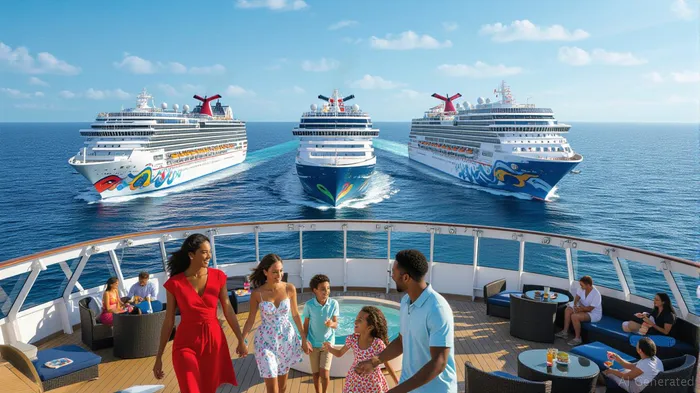
The Family-Friendly Pivot: Attracting New Demographics or Alienating Niche Markets?
Carnival's strategy hinges on capturing market share from families seeking “safe” cruise experiences. Post-pandemic trends suggest a growing demand for family vacations, with parents prioritizing environments free from adult-centric distractions. By positioning itself as the go-to option for families, Carnival aims to counter competitors like Virgin Voyages and AIDA Cruises, which cater to younger, more liberal demographics with policies such as topless sunbathing and lax music rules.
However, the policy risks alienating loyal customers in niche markets, such as swingers, who view the pineapple as a symbol of hospitality. Swing Nation Podcast hosts likened the ban to stigmatizing marginalized groups, warning of lost revenue from loyal cruisers. The tension here is clear: Can Carnival expand its family appeal without eroding its base among adult-oriented travelers?
Operational Risks and Enforcement Challenges
The policy's success hinges on consistent enforcement—a hurdle Carnival has struggled to overcome. Reports of inconsistent removal of prohibited symbols suggest logistical challenges in policing cabin doors, while critics argue that the rules are applied selectively, creating friction with passengers.
The stock's muted performance compared to broader markets may reflect investor skepticism about Carnival's ability to execute its strategy without operational drag. Enforcing new rules while maintaining passenger satisfaction could strain margins, especially as the company invests in compliance systems and staff training.
Competitor Positioning and Market Differentiation
Carnival's pivot underscores a broader industry shift toward market segmentation. While Virgin Voyages and AIDA embrace a more permissive, adult-centric identity, Carnival is doubling down on family-friendliness. This differentiation could pay dividends if families increasingly prioritize conservative environments, but it also limits Carnival's ability to tap into high-margin adult-oriented cruise segments.
Competitors like Royal Caribbean (RCL) have already carved out middle-ground strategies, balancing family activities with adult zones. Investors should monitor whether Carnival's stance forces it to cede market share to these rivals or if its focus on families drives sustained growth.
Investment Implications: Navigating Growth and Risks
For investors, Carnival's strategic shift presents a mixed picture. On one hand, a family-focused brand could stabilize revenue streams as demand for safe vacations grows. The policy also aligns with Carnival's zero-tolerance approach to misconduct, which may reduce liability risks and improve its safety reputation.
On the other hand, inconsistent enforcement and potential backlash from niche markets could weaken customer loyalty. Additionally, the cost of policing cabin decorations and other new rules may eat into margins. Key metrics to watch include customer retention rates, enforcement consistency, and quarterly revenue growth relative to competitors like RCL and NCLH.
Conclusion: A Brand Reboot with Uncertain Payoffs
Carnival's ban on upside-down pineapples is more than a quirky policy—it's a bellwether for its ambition to redefine its brand identity. While the move could attract families seeking a “clean” vacation, it risks losing niche travelers and incurring operational costs. Investors should weigh Carnival's potential to solidify its family-friendly position against execution risks and competitor dynamics.
For now, the stock's valuation reflects cautious optimism. A successful rollout of these policies could position Carnival as a leader in the family cruise segment, but inconsistent enforcement or backlash may prolong its underperformance. Investors bullish on family tourism trends might consider a selective position, while skeptics should await clearer signals on enforcement outcomes and customer satisfaction.
The cruise industry's next chapter will be written in symbols—both the ones Carnival chooses to ban and the ones it chooses to embrace.





Comentarios
Aún no hay comentarios