
Capital Recycling in the Senior Housing Sector: Strategic Asset Sales and Reinvestment Opportunities in Post-Pandemic Skilled Nursing Markets
The post-pandemic recovery in the senior housing sector has catalyzed a surge in capital recycling strategies, as operators and investors pivot to capitalize on shifting market dynamics. With occupancy rates for skilled nursing facilities (SNFs) rebounding to 88.1% in 2025 and robust investor demand driving asset-level transactions, the sector is witnessing a strategic reallocation of capital toward higher-growth opportunities, according to the CLA SNF trends report. This trend is underscored by the introduction of HUD's Lean Express Lane, which has accelerated financing timelines, enabling operators to refinance debt or divest underperforming assets with unprecedented efficiency, as noted in the report.
Market Trends and Financial Leverage
The senior housing market's resilience is evident in its ability to attract capital despite lingering post-pandemic challenges. Class A properties in supply-constrained markets are particularly sought after, with bid sheets often exceeding 10 qualified offers for high-performing assets, a point highlighted by the CLA report. Operators are leveraging improved debt-service coverage ratios and rising occupancy to extract equity, with 774 nursing homes having closed since 2020, signaling a consolidation phase favoring larger, more adaptable operators, according to a Skilled Nursing News article. For instance, LTC Properties' recent sale of seven SNFs for $120 million exemplifies this trend, with proceeds earmarked for reinvestment in senior housing communities-a sector projected to outperform SNFs due to demographic tailwinds and stable demand.
Case Studies: ROI and Reinvestment Outcomes
The financial performance of capital recycling initiatives highlights their strategic value. LTC Properties' restructuring of a loan with Prestige for 14 Michigan-based SNFs is projected to boost rental income by 10% in 2025 compared to prior estimates. Similarly, the 4.2% increase in Medicare Part A payments in fiscal year 2025 has provided critical financial support to SNFs, while Medicaid rate hikes and quality-linked supplemental payments have stabilized reimbursement environments, as detailed in the ACplus industry outlook. These factors have enabled operators to reinvest in infrastructure upgrades and workforce development, as seen in A.G. Rhodes' medium-term dialysis service investment, which yielded faster-than-expected returns due to high community demand, a trend reflected in the CLA report.
However, challenges persist. SNFs with aging infrastructure face hurdles in securing capital with attractive returns, prompting a shift toward targeted renovations over new construction. For example, Transitions Healthcare and Focused Post Acute Care Partners have prioritized strategic partnerships and staff retention programs to enhance operational efficiency, aligning with the emphasis on data-driven margin improvements in the Plante Moran benchmarking report.
Future Outlook and Investment Considerations
The sector's trajectory through 2026 remains optimistic, with demand outpacing supply due to limited new construction and an aging population, a dynamic also discussed in the CLA report. Private equity and REITs are expected to play a pivotal role, having deployed $7.89 billion in investment capital by 3Q24-nearly double the 2023 figure, according to the Lument market outlook. Operators are advised to balance capital recycling with ethical considerations, ensuring reinvestments directly benefit residents and staff, as emphasized by nonprofit entities like A.G. Rhodes in sector commentary.
Conclusion
Capital recycling in the senior housing sector is not merely a response to post-pandemic disruptions but a strategic imperative for long-term growth. By divesting underperforming SNFs and reinvesting in senior housing, operators are aligning with market fundamentals that prioritize stability, scalability, and resident-centric care. As the industry navigates labor costs, reimbursement shifts, and technological adoption, the ability to recycle capital efficiently will remain a defining factor in competitive positioning.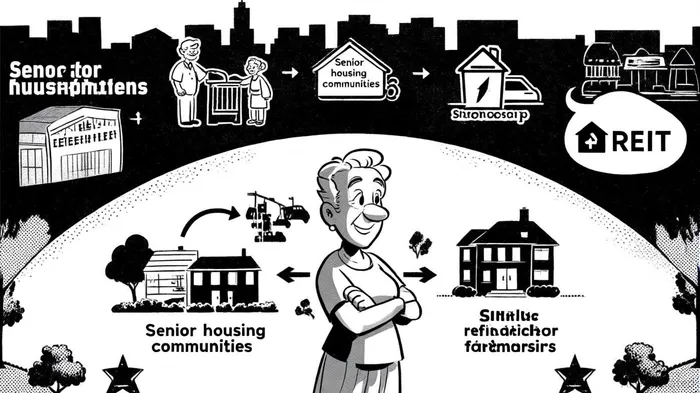





Comentarios
Aún no hay comentarios