
Capital Flight Risks in U.S. Markets: Sectoral Vulnerabilities and Hedge Fund Realignments
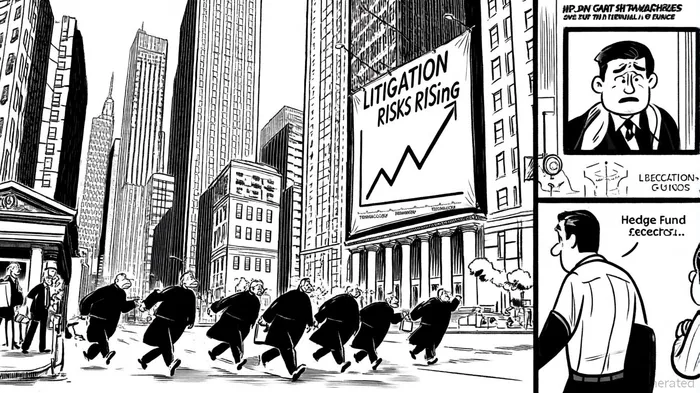
The U.S. regulatory and legal landscape in 2025 has become a double-edged sword for investors. While new administration priorities aim to streamline financial regulations and legitimize digital assets, the same environment is fueling litigation risks that threaten capital stability. Sectors such as financial services, technology, and healthcare are particularly exposed, with hedge funds recalibrating their strategies to navigate these uncertainties.
Sectoral Vulnerabilities: A Litigation-Driven Reassessment
Financial Services remains the epicenter of regulatory scrutiny. Payments litigation is surging due to the proliferation of Automated Clearing House (ACH) transfers and state-level efforts to regulate interchange fees. Financial institutionsFISI-- now face a dual threat: civil litigation over fraud and trust disputes, and criminal investigations tied to anti-money laundering (AML) failures. According to a report by Gibson Dunn, 56% of corporate counsel anticipate "nuclear verdicts" in 2025, driven by complex cross-border arbitration and rising ransomware-related lawsuits[1]. The Consumer Financial Protection Bureau (CFPB) has also shifted focus, with state-level enforcement on fair lending and digital currencies intensifying[2].
Technology is grappling with AI-driven litigation. Lawsuits over algorithmic bias, biometric data misuse, and misleading AI capabilities have surged, particularly in the wake of earnings shortfalls and overhyped product claims. NVIDIANVDA--, for instance, faced legal challenges over alleged misrepresentations about cryptocurrency-driven GPU sales[3]. Meanwhile, cybersecurity remains a top concern, with financial and healthcare firms bearing the brunt of data privacy claims. The Video Privacy Protection Act (VPPA) and state-specific AI laws are creating a patchwork of compliance burdens[4].
Healthcare has seen a 44% increase in securities class actions linked to failed clinical trials and poor sales performance. The Biogen Aduhelm case exemplifies the sector's vulnerability, with lawsuits arising from FDA feedback and unmet therapeutic promises[5].
Hedge Fund Positioning: Balancing Risk and Opportunity
Hedge funds are responding to these dynamics with a nuanced reallocation of capital. Barclays reports that 30% more investors plan to increase hedge fund exposure in 2025 compared to those reducing it, with pensions and insurers leading the shift[6]. This trend reflects a strategic pivot toward volatility harvesting and portfolio insurance in an era of macroeconomic instability.
However, regulatory headwinds persist. The Securities and Exchange Commission (SEC) has introduced stricter transparency requirements for litigation finance, while extended compliance deadlines for Form PF amendments and new AML rules in 2026 add operational complexity[7]. Despite these challenges, hedge funds are overweighting U.S. technology and communication services, betting on continued AI adoption and global economic support[8]. Morgan Stanley cautions, however, that capital concentration in megacap tech firms risks overcapacity and diminished long-term returns[9].
Conclusion: Navigating the New Normal
The interplay of regulatory shifts and litigation risks is reshaping U.S. capital flows. Financial services firms must prioritize AML and cybersecurity resilience, while tech and healthcare companies face urgent demands for transparent AI governance and data privacy frameworks. For hedge funds, the path forward lies in active stock selection and diversification into real assets to mitigate sector-specific shocks. As the regulatory pendulum swings, investors who adapt to this fragmented landscape will find opportunities amid the turbulence.





Comentarios
Aún no hay comentarios