
Cantonese Opera's Resurgence: A Cultural Renaissance Driving Hong Kong's Entertainment Sector Growth
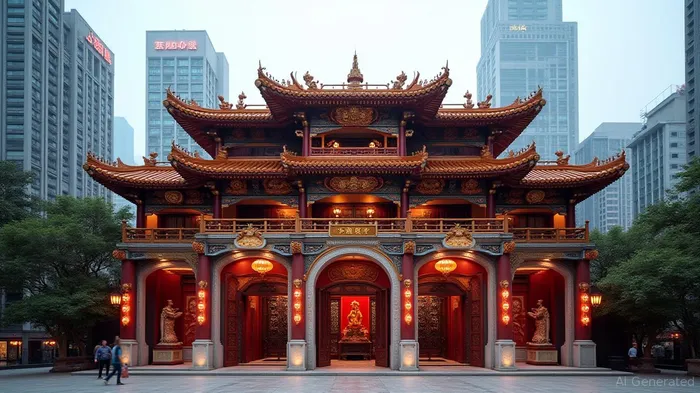
The closure of Hong Kong's iconic Sunbeam Theatre in March 2025 marked a pivotal moment for Cantonese operaOPRA--, a UNESCO-protected art form grappling with an aging audience and dwindling performance spaces. Yet, beneath the surface of this loss lies a transformative opportunity for the entertainment sector. As cultural reinvigoration takes hold, investors should pay close attention to the evolving ecosystem of Cantonese opera—a blend of tradition and innovation poised to reshape Hong Kong's cultural and economic landscape.
The Crisis and the Catalyst
Cantonese opera attendance has stagnated at around 300,000 annually for over a decade, with audiences predominantly aged 70–80. The loss of the Sunbeam Theatre—a venue synonymous with the art form since 1972—exacerbates this decline. However, this crisis has spurred a wave of government and private-sector initiatives aimed at modernizing the sector.
The Hong Kong government has allocated HK$200 million to the Cantonese Opera Development Fund since 2005, supporting over 1,200 projects, from traditional performances to youth training programs. Meanwhile, the Xiqu Centre and Ko Shan Theatre, part of the West Kowloon Cultural District, now offer state-of-the-art venues, though their capacity remains limited.
The Rise of Cultural Reinvigoration
The key to Cantonese opera's revival lies in its ability to bridge tradition and modernity. Initiatives such as the Greater Bay Area cultural collaboration strategy—which connects Hong Kong with Guangzhou and Macau—highlight the potential for cross-border cultural tourism. Guangzhou's 50 Cantonese opera troupes, for instance, could partner with Hong Kong's venues to create regional festivals, attracting both domestic and international audiences.
Digital innovation is another frontier. Platforms like TikTok and YouTube Shorts are being leveraged to showcase bite-sized performances, while virtual reality (VR) technologies could recreate immersive opera experiences. The Hong Kong Academy for Performing Arts' recent Cantonese opera short-form content pilot, aimed at younger audiences, signals a shift toward accessibility.
Investment Opportunities in the Ecosystem
- Cultural Infrastructure:
- Hotels and Tourism: Investors could target hospitality ventures near cultural hubs like the Xiqu Centre, capitalizing on tourism tied to opera festivals and UNESCO heritage events.
Venue Operators: Partnerships to secure evening rentals in repurposed spaces (e.g., the Sunbeam site) or tech-enabled theaters could unlock value.
Technology and Media:
- Digital Content: Firms developing VR/AR tools for live performances or streaming platforms specializing in traditional arts could see demand rise as the sector modernizes.
Education Tech: Startups offering online Cantonese opera courses or gamified learning tools for schools could tap into government-backed educational reforms.
Cross-Border Collaborations:
- Production Firms: Studios partnering with mainland troupes to co-produce modernized operas (e.g., blending pop music or social themes) could capitalize on the Greater Bay Area's cultural integration push.
Risks and Considerations
- Venue Scarcity: The closure of the Sunbeam Theatre underscores the need for long-term infrastructure investment.
- Talent Gaps: A shortage of scriptwriters and composers skilled in both classical traditions and modern storytelling remains a bottleneck.
- Audience Retention: Competing with fast-paced digital entertainment requires sustained innovation to attract millennials and Gen Z.
Conclusion: A Cultural Asset with Tangible Returns
Cantonese opera's resurgence is not merely a cultural victory but a strategic opportunity for investors. By backing infrastructure upgrades, digital innovation, and cross-border partnerships, stakeholders can position themselves in a sector with both heritage value and growth potential. As Hong Kong's entertainment landscape evolves, the art form's ability to adapt—while preserving its soul—will define its commercial success.
For investors, the time to act is now: the stage is set for a renaissance that merges tradition with modernity, offering a unique blend of cultural preservation and economic upside.
Disclosure: This analysis is based on publicly available data and does not constitute financial advice. Always conduct thorough due diligence before making investment decisions.





Comentarios
Aún no hay comentarios