
Cannabis Use Surges Among Older Adults, Raising Health Concerns
Chronic cannabis use has been associated with significant cardiovascular risks, including an increased likelihood of heart attacks. This is particularly concerning for individuals who are genetically predisposed to cannabis use disorder (CanUD), as they may also be at a higher risk for psychiatric conditions. Cannabis can trigger or worsen psychosis in a small group of vulnerable users, especially with high doses of THCTHC--. This is akin to how fluorescent lights can cause discomfort or even seizures in individuals with certain sensitivities.
The surge in cannabis use among older adults, particularly those aged 65 and over, is a notable trend. This demographic is increasingly turning to cannabis for various reasons, including managing chronic pain, improving sleep quality, and addressing mental health issues such as anxiety and depression. However, this trend also brings with it serious concerns, particularly the increased risk of cannabis use disorder (CUD) and adverse drug interactions. Older adults, due to physiological changes inherent in the aging process, are inherently more vulnerable to adverse effects from psychoactive substances. Their metabolic pathways are less efficient, and their body fatFAT-- percentage is often higher, meaning fat-soluble compounds like THC can linger in their system longer, potentially leading to prolonged or intensified effects.
Cannabis use can also impact coordination, balance, and reaction times, increasing the risk of falls, which can have severe consequences for older adults. Impaired cognitionCGTX-- is another potential side effect, affecting verbal learning, memory, and attention. Additionally, the cardiovascular risks associated with cannabis use, such as elevated heart rate and blood pressure, can increase the risk of stroke or heart attack, especially for those with pre-existing heart conditions. The trend of cannabis and tobacco co-use is also concerning, as this combination is found to be more dangerous than using either substance alone, compounding health risks.
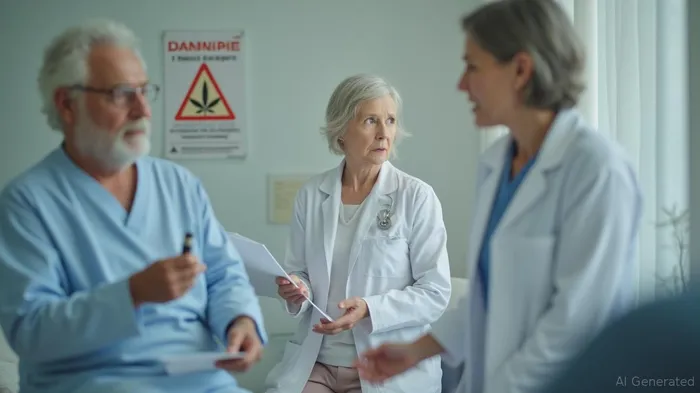
For healthcare providers, adapting to this burgeoning trend is a clinical imperative. Clinicians should routinely screen and educate older patients about cannabis use, covering potential interactions with prescription medications and the risks associated with edibles. Skilled nursing facilities and oncologists also face significant challenges in navigating the legal complexities and advising patients about cannabis use. Ultimately, this evolving landscape necessitates universal screening and targeted intervention programs to ensure safe and informed choices.







Comentarios
Aún no hay comentarios