
Cannabis Grow Facilities: A Hidden Energy Monster
Generado por agente de IAWesley Park
lunes, 10 de febrero de 2025, 3:20 pm ET1 min de lectura
ANSC--
As the cannabis industry booms, so does its energy consumption. A recent study by Dr. Evan Mills, Ph.D., an energy efficiency consultant, revealed that indoor cannabis cultivation in the US uses more energy than all outdoor agriculture combined. In fact, it's estimated that indoor cannabis grow facilities consume around 2,000 watts of electricity per square meter, which is 40 times more energy than growing lettuce, for example (Zaremba, 2025). This staggering energy use has significant environmental implications and contributes to greenhouse gas emissions.
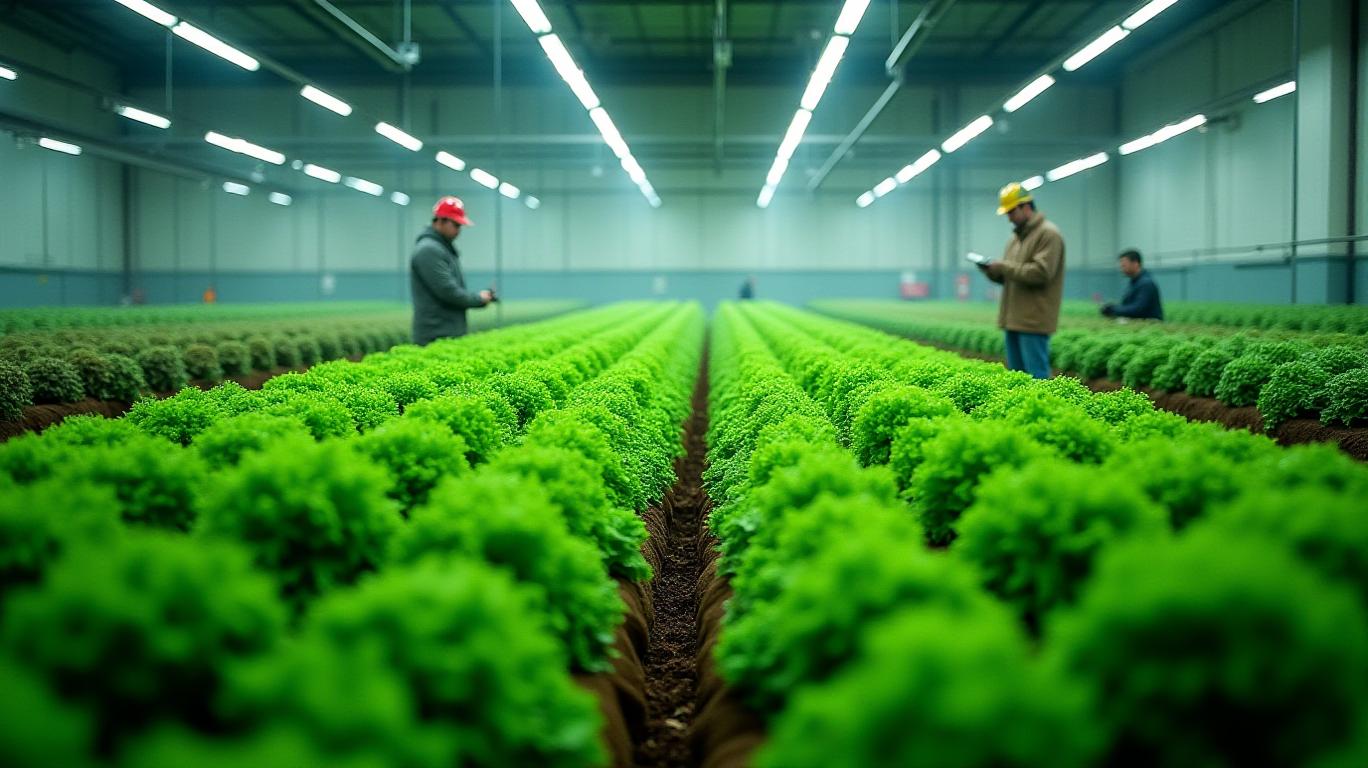
The high energy consumption of cannabis grow facilities is primarily driven by the need for artificial lighting, temperature control, and ventilation systems. These facilities require a lot of light to mimic natural sunlight, which is essential for plant growth. Additionally, they need advanced security measures and ventilation systems to control odors and maintain air quality. All these factors combined make cannabis grow facilities significantly more energy-intensive than other industries like retail.
The environmental impacts of this high energy consumption are substantial. The energy consumption of indoor cannabis cultivation results in significant greenhouse gas emissions. According to Dr. Evan Mills, the carbon footprint of indoor cannabis production is 4.5 tonnes CO2e/kg-flower for plant factories and 2.5 tonnes CO2e/kg-flower for greenhouses (Mills, 2023). This means that for every kilogram of dried cannabis produced indoors, approximately 2.5 to 4.5 metric tons of CO2 equivalent are released into the atmosphere.
Moreover, the high energy demand of cannabis grow facilities can strain power grids, leading to accelerated electricity demand growth in areas with extensive indoor cultivation. For instance, following the legalization of cultivation for medical purposes in California in 1996, Humboldt County experienced a 50% rise in per-capita residential electricity use compared to other parts of the state (Lehman and Johnstone, 2010).
To mitigate these environmental impacts, it's crucial to shift more cultivation outdoors. Outdoor cultivation is significantly less energy-intensive than indoor cultivation, with emissions of 700 kg CO2e/kg-flower (Mills, 2023). However, this transition requires addressing market distortions and harmonizing drug and environmental policies.
In conclusion, the high energy consumption of cannabis grow facilities, particularly indoor cultivation, has significant potential environmental impacts and contributes to greenhouse gas emissions. Addressing these issues requires a multi-faceted approach that includes improving energy efficiency, promoting outdoor cultivation, and implementing sustainable waste management practices. As the cannabis industry continues to grow, it's essential to consider the environmental implications and work towards more sustainable cultivation methods.
Word count: 598
WM--
As the cannabis industry booms, so does its energy consumption. A recent study by Dr. Evan Mills, Ph.D., an energy efficiency consultant, revealed that indoor cannabis cultivation in the US uses more energy than all outdoor agriculture combined. In fact, it's estimated that indoor cannabis grow facilities consume around 2,000 watts of electricity per square meter, which is 40 times more energy than growing lettuce, for example (Zaremba, 2025). This staggering energy use has significant environmental implications and contributes to greenhouse gas emissions.
The high energy consumption of cannabis grow facilities is primarily driven by the need for artificial lighting, temperature control, and ventilation systems. These facilities require a lot of light to mimic natural sunlight, which is essential for plant growth. Additionally, they need advanced security measures and ventilation systems to control odors and maintain air quality. All these factors combined make cannabis grow facilities significantly more energy-intensive than other industries like retail.
The environmental impacts of this high energy consumption are substantial. The energy consumption of indoor cannabis cultivation results in significant greenhouse gas emissions. According to Dr. Evan Mills, the carbon footprint of indoor cannabis production is 4.5 tonnes CO2e/kg-flower for plant factories and 2.5 tonnes CO2e/kg-flower for greenhouses (Mills, 2023). This means that for every kilogram of dried cannabis produced indoors, approximately 2.5 to 4.5 metric tons of CO2 equivalent are released into the atmosphere.
Moreover, the high energy demand of cannabis grow facilities can strain power grids, leading to accelerated electricity demand growth in areas with extensive indoor cultivation. For instance, following the legalization of cultivation for medical purposes in California in 1996, Humboldt County experienced a 50% rise in per-capita residential electricity use compared to other parts of the state (Lehman and Johnstone, 2010).
To mitigate these environmental impacts, it's crucial to shift more cultivation outdoors. Outdoor cultivation is significantly less energy-intensive than indoor cultivation, with emissions of 700 kg CO2e/kg-flower (Mills, 2023). However, this transition requires addressing market distortions and harmonizing drug and environmental policies.
In conclusion, the high energy consumption of cannabis grow facilities, particularly indoor cultivation, has significant potential environmental impacts and contributes to greenhouse gas emissions. Addressing these issues requires a multi-faceted approach that includes improving energy efficiency, promoting outdoor cultivation, and implementing sustainable waste management practices. As the cannabis industry continues to grow, it's essential to consider the environmental implications and work towards more sustainable cultivation methods.
Word count: 598

Divulgación editorial y transparencia de la IA: Ainvest News utiliza tecnología avanzada de Modelos de Lenguaje Largo (LLM) para sintetizar y analizar datos de mercado en tiempo real. Para garantizar los más altos estándares de integridad, cada artículo se somete a un riguroso proceso de verificación con participación humana.
Mientras la IA asiste en el procesamiento de datos y la redacción inicial, un miembro editorial profesional de Ainvest revisa, verifica y aprueba de forma independiente todo el contenido para garantizar su precisión y cumplimiento con los estándares editoriales de Ainvest Fintech Inc. Esta supervisión humana está diseñada para mitigar las alucinaciones de la IA y garantizar el contexto financiero.
Advertencia sobre inversiones: Este contenido se proporciona únicamente con fines informativos y no constituye asesoramiento profesional de inversión, legal o financiero. Los mercados conllevan riesgos inherentes. Se recomienda a los usuarios que realicen una investigación independiente o consulten a un asesor financiero certificado antes de tomar cualquier decisión. Ainvest Fintech Inc. se exime de toda responsabilidad por las acciones tomadas con base en esta información. ¿Encontró un error? Reportar un problema




Comentarios
Aún no hay comentarios