
Cancún's Green Horizon: Why Sustainable Real Estate is the Smart Buy-and-Hold Play
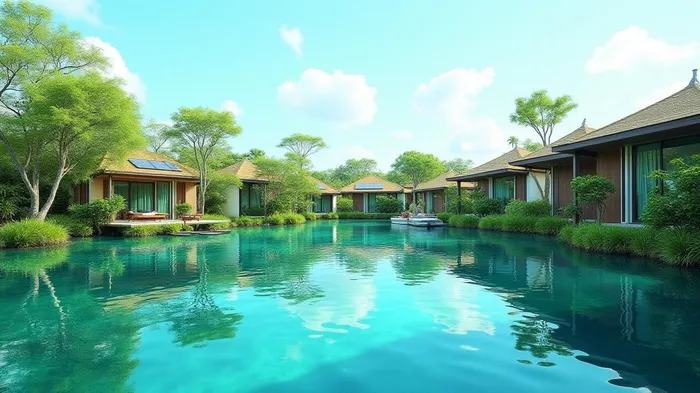
Cancún, the crown jewelCCK-- of Mexico's Caribbean coast, is undergoing a quiet revolution. Beyond its reputation as a party capital, the city is positioning itself as a global leader in sustainable real estate—a shift driven by eco-tourism demand, stringent environmental regulations, and strategic investments in climate-resilient infrastructure. For investors seeking long-term capital appreciation aligned with ESG principles, now is the time to act.
The Demand Drivers: Eco-Tourism & Strategic Location
Cancún's allure lies in its duality: a vibrant tourism hub and a gateway to the biodiverse Yucatán Peninsula. With over 32 million visitors in 2023, tourism remains the lifeblood of its economy. Yet, today's travelers—and investors—are prioritizing sustainability. Eco-tourism is booming, with demand surging for properties that blend luxury with environmental stewardship.
The Mayan Train project, a government initiative linking Cancún to destinations like Tulum and Bacalar, exemplifies this shift. By reducing reliance on carbon-intensive transportation, it positions Cancún as a sustainable gateway to the Riviera Maya. Meanwhile, Cancún's Green Book urban development plan mandates strict environmental criteria for new projects, ensuring that growth does not come at the expense of the region's fragile ecosystems.
Flagship Projects: Where Capital Meets Consciousness
Investors can anchor their portfolios in developments that embody Cancún's sustainability ethos:
Puerto Cancún: A 2,000-acre luxury enclave blending high-end residential complexes with eco-conscious infrastructure. Properties here feature solar panels, rainwater harvesting systems, and proximity to protected mangrove forests. The marina and shopping district cater to affluent buyers, while vacation rental opportunities ensure steady cash flow.
Costa Mujeres: An emerging coastal zone prioritizing ecological conservation. Developments like Turix Condos and Buluc Luxury Homes integrate coral reef preservation efforts and energy-efficient designs. These projects align with EDGE Green Building Certification, ensuring a minimum 20% reduction in energy and water use.
Lagos del Sol: A master-planned community with an artificial lagoon and stringent green space requirements. Its focus on walkability and solar energy systems attracts families and retirees seeking sustainable living.
ESG Compliance: A Competitive Advantage
Regulations are tightening, and that's a good thing. The Green Book and Urban Development Plan (PDU) enforce zoning rules that prioritize renewable energy, green infrastructure, and biodiversity preservation. For example, new buildings must incorporate hurricane-resistant materials and low-impact construction practices.
Companies like Murano Global Investments Plc—a Nasdaq-listed firm with a $2.3 billion market cap—are leading the charge. Their Grand Island Cancún I resort, a 1,000-room Hyatt-managed property, exemplifies ESG compliance:
- Energy Efficiency: Solar panels reduce grid reliance by 30%.
- Water Conservation: Greywater recycling cuts consumption by 25%.
- Certifications: EDGE certification and alignment with UN SDGs 11 (Sustainable Cities) and 13 (Climate Action).
The Risks—and How to Mitigate Them
No investment is risk-free, but Cancún's sustainable developments are engineered to withstand volatility.
Climate Vulnerability: Rising sea levels and hurricanes are existential threats. However, projects like Puerto Cancún are elevated above flood zones, while mangrove restoration buffers coastlines.
Regulatory Shifts: Stricter environmental laws could increase costs. Yet, early adopters like Murano already comply with the Green Book, giving them a first-mover advantage.
Market Saturation: While demand for sustainable properties is high, oversupply in non-eco zones could depress values. Stick to certified projects in regulated zones like Costa Mujeres and Lagos del Sol.
The Numbers: Growth You Can't Ignore
- Price Appreciation: Sustainable properties in Cancún are projected to appreciate 3–7% annually through 2025, outpacing conventional real estate. A $1 million eco-villa could reach $1.07 million by 2025.
- Rental Yields: Vacation rentals in certified developments command 15–20% premiums over non-sustainable properties, thanks to eco-conscious tourists.
Act Now: A Buy-and-Hold Masterstroke
The writing is on the wall: Cancún's sustainable real estate market is a confluence of strategic location, regulatory tailwinds, and global ESG demand. For investors, the calculus is clear:
- Buy: Target certified developments in regulated zones (e.g., EDGE-certified projects).
- Hold: Rely on long-term appreciation fueled by eco-tourism growth and climate resilience.
- Benefit: Enjoy steady rental income while contributing to environmental preservation.
In a world where ESG compliance is no longer optional but mandatory, Cancún's green developments offer a rare win-win: superior returns and a stake in a sustainable future.
The time to act is now. The horizon is green, and the rewards are poised to be legendary.







Comentarios
Aún no hay comentarios